
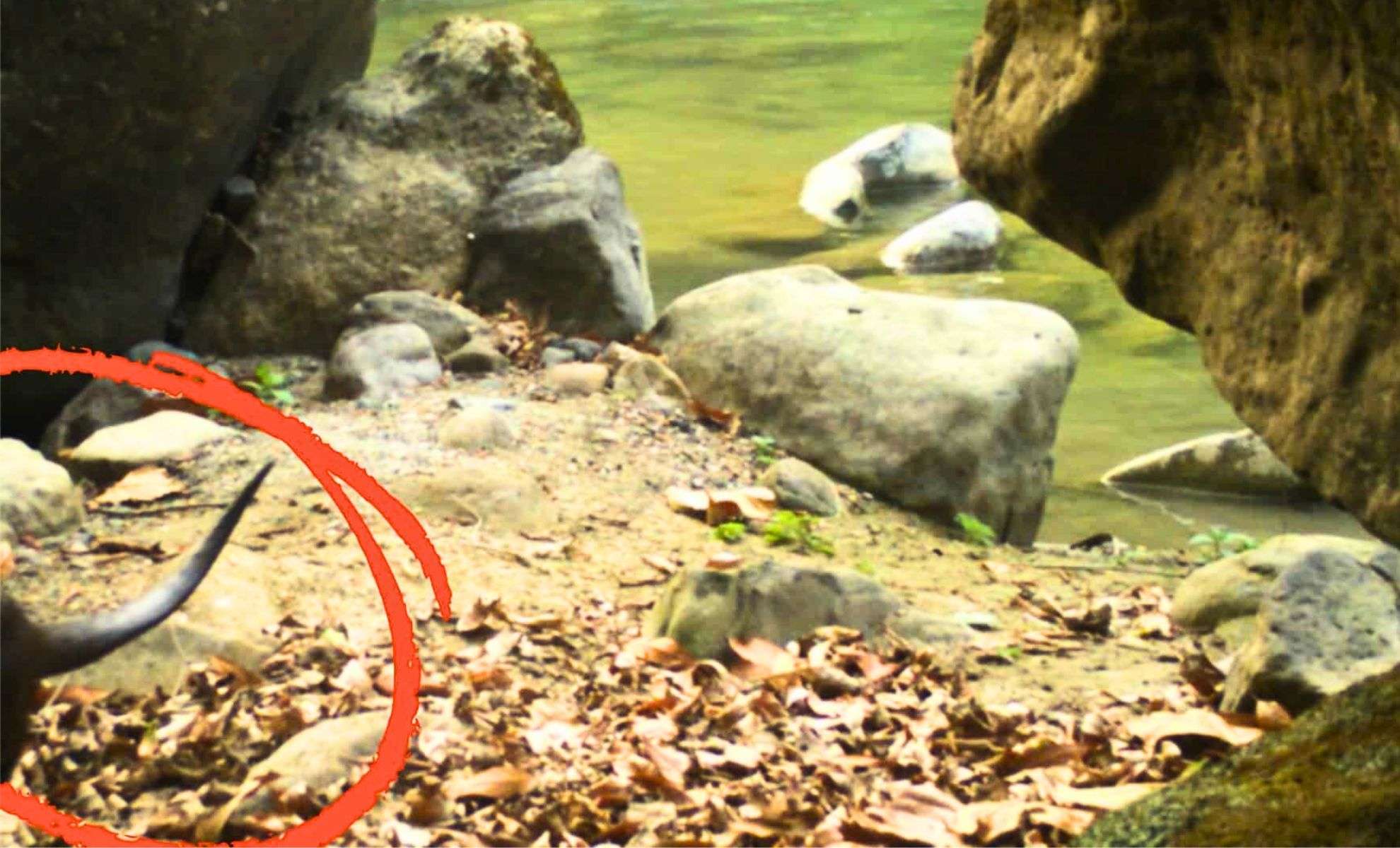
While monitoring tigers in the serene Himalayan foothills, scientists unexpectedly recorded a rarely seen aquatic predator. Over a ten-day period in May 2024, motion-triggered cameras captured smooth-coated otters, a species that had eluded documented sightings in this part of India for years.
These otters, Asia's largest of their kind, were filmed moving through the rocky streams of Nandhaur Wildlife Sanctuary, located close to Nepal’s border. Prior ecological studies had failed to photograph these animals here, making this find significant for understanding the region’s aquatic biodiversity and highlighting potential conservation opportunities.
Published in the Journal of Threatened Taxa, the research emphasizes the sanctuary’s rich biodiversity beyond its famed tiger populations, unveiling an important chapter of life thriving beneath the water’s surface.

“This isn’t just about seeing a new species on camera,” said ecologist Bilal Habib, one of the lead authors of the study. “It’s about what their presence tells us: that these rivers are still alive in ways we didn’t fully understand.”
Rediscovering a Hidden Aquatic Predator
Smooth-coated otters (Lutrogale perspicillata) are elusive and predominantly nocturnal, making them difficult to observe in the wild. Before now, the researchers had only documented indirect evidence like footprints and feeding sites but had no photographic confirmation of their existence in this Himalayan area.

In May 2024, trail cameras placed along river habitats documented two events showing groups of otters navigating riverbanks and rocky terrain. These observations confirm not only their presence but also the likelihood of established social groups residing in the sanctuary.
According to a story from The Kansas City Star, these otters can measure up to four feet and weigh around 24 pounds (10.89 kg). Known for their vocal nature and cooperative hunting strategies, these traits indicate a complex social lifestyle and specific environmental requirements.
Implications for Freshwater Ecosystems
The presence of smooth-coated otters goes beyond zoological curiosity; they serve as essential indicators of freshwater ecosystem health. Their survival depends on clean waterways, plentiful food, and undisturbed riverbanks—conditions increasingly compromised across South Asia due to pollution and habitat degradation.

In areas suffering from environmental stress like sand mining, shrinking wetlands, or polluted rivers, otters are often among the first species to disappear. Their unexpected return in Nandhaur suggests that some river habitats here remain healthy and capable of sustaining diverse life forms.
“Otters are not forgiving,” said Harish Guleria, a co-author affiliated with the Zoological Society of London. “If they’re here, it means the water still supports life—and that’s no small thing given what we’ve lost elsewhere.”
These findings align with previous research indicating smooth-coated otters play a critical role in maintaining balanced fish populations and enhancing resilience in aquatic habitats.
Rethinking Conservation Strategies
Nandhaur Wildlife Sanctuary’s management has traditionally focused on protecting notable land mammals. However, the discovery has sparked conversations about extending conservation priorities to include diverse aquatic species and the ecosystems they depend upon.

Though classified as Vulnerable by the IUCN Red List, freshwater creatures like these otters often receive limited legal protection and enforcement compared to charismatic terrestrial species.
The researchers advocate for comprehensive surveys throughout the Terai Arc Landscape, a crucial ecological belt along the Himalayan foothills, to better understand and safeguard freshwater biodiversity.
“You can’t protect what you don’t know is there,” said Nishant Bhardwaj, who helped lead the fieldwork. “And right now, our knowledge of freshwater species is dangerously thin.”
- Categories:
- News













0 comments
Sign in to Comment