
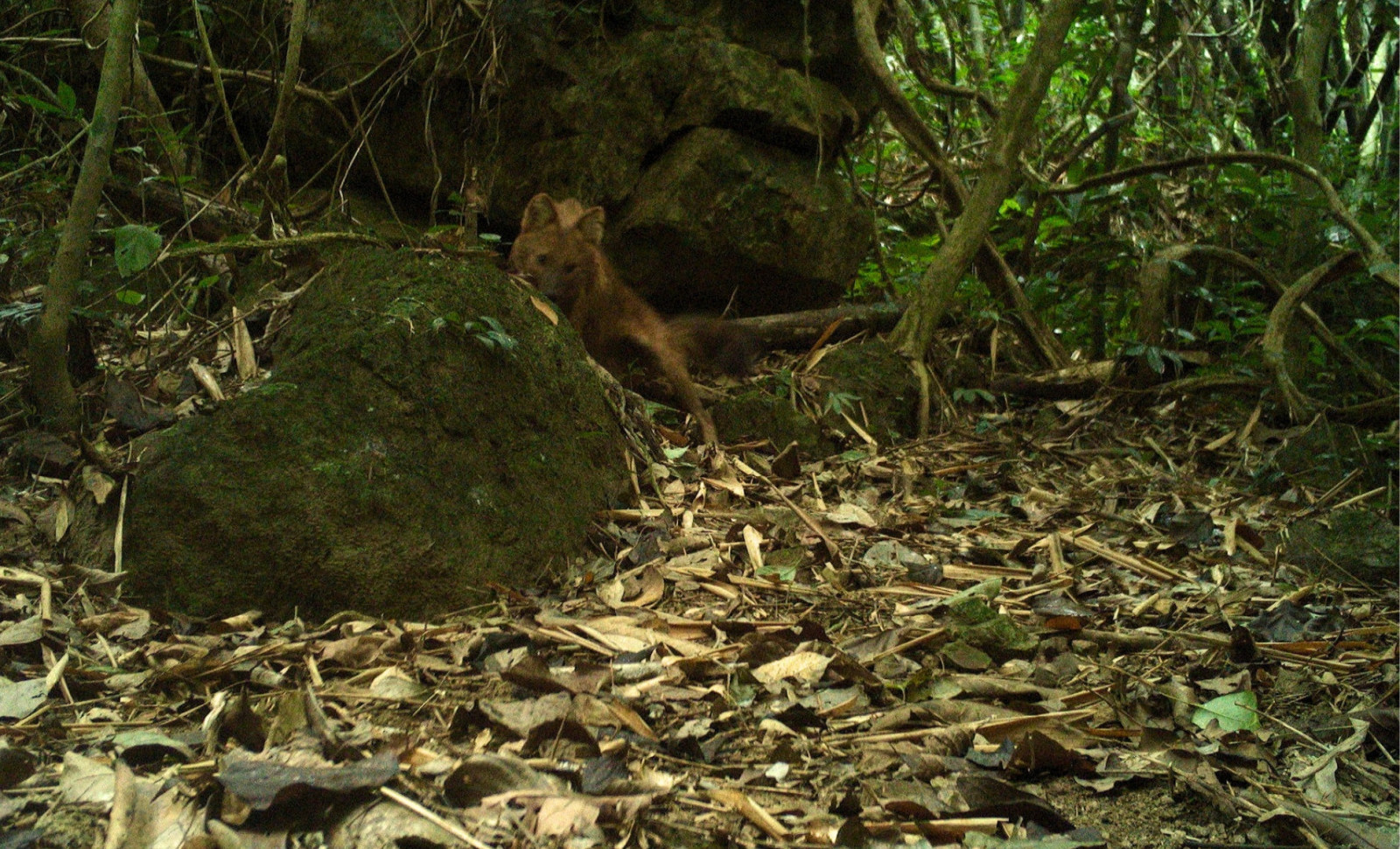
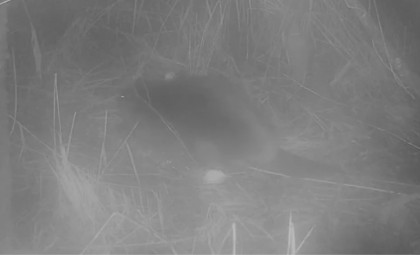
After more than 20 years without confirmed sightings, a camera trap in Vietnam captured an image of a dhole, a rare and endangered Asian wild dog often called the red wolf. This photo, taken on December 31, 2023, within Pu Hoat Nature Reserve, marks the first documented proof of the species’ presence in the country in two decades.
However, the researchers behind the published study in Oryx caution that this lone photo should not be interpreted as a sign of recovery; instead, it likely signals an ongoing decline toward extinction.
From 2014 to 2024, scientists operated 3,231 camera traps at 1,657 distinct locations spanning 31 sites across the dhole’s historic range in Vietnam. The cumulative monitoring effort totaled 269,524 camera trap nights, with seven sites surveyed multiple times. Despite this extensive effort, no other dholes were recorded. The authors suggest the species is “likely extirpated across most protected areas in Vietnam.”

The significance of a single photograph after years without sightings
The solitary image originated from Pu Hoat Nature Reserve located in Nghe An Province, north-central Vietnam. The reserve encompasses about 35,000 hectares, with altitudes ranging from 200 to 2,450 meters. The camera was installed at approximately 1,590 meters elevation in a wet evergreen forest, just 4.3 kilometers away from the Laos border.
Leading the research, Anh Tuan Nguyen of Vietnam National University arranged camera placements in a grid roughly 2.5 kilometers apart, equipping each site with two cameras aimed in different directions. Out of 45 initially established stations, 37 were recovered, accumulating 6,084 camera trap nights.
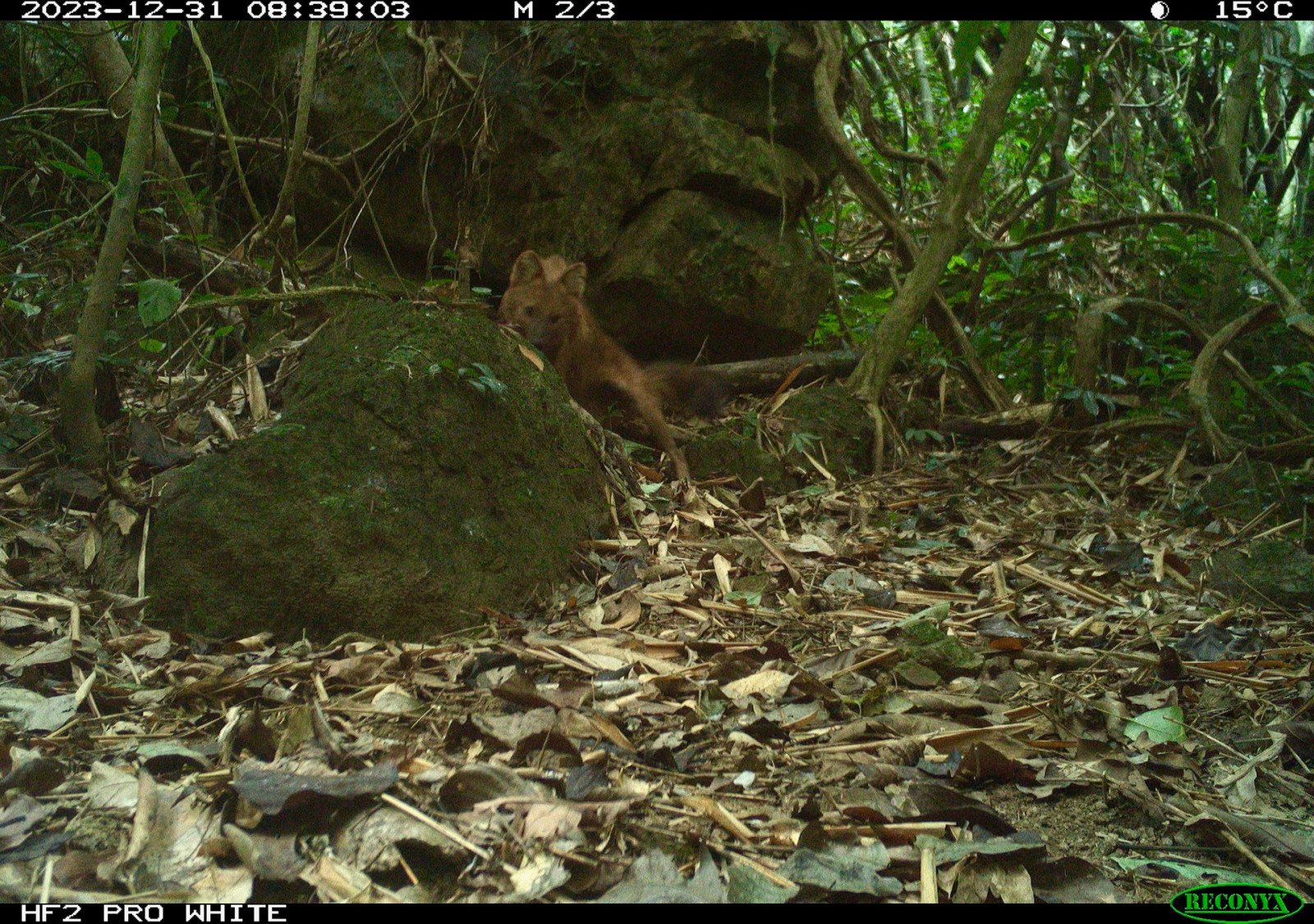
To eliminate confusion with domestic hunting dogs commonly used in Vietnam, the photograph was reviewed by four independent biologists experienced with the species, all confirming the animal’s identity as a mature dhole.
Prior confirmed dhole records in Vietnam were from Pu Mat National Park (1999) and Yok Don National Park (2003). An unverified sighting was noted in Ninh Thuan Province in 2014, lacking photographic proof. The IUCN Red List had already regarded the species as possibly extinct in Vietnam.
Is this an isolated individual or a small surviving group?
The team considers two explanations for the lone dhole at Pu Hoat, both indicating the species’ precarious status.
One possibility is a tiny surviving population still residing within the reserve. However, only capturing a single individual after systematic monitoring implies any survivors are extremely limited in number.
The more probable scenario is the animal being a vagrant, a lone individual dispersing from neighboring forests in Laos. Dholes are known to travel distances of at least 30 kilometers, likely more. The closest known population is around 120 kilometers away in Laos’ Nam Et Phou Loey protected area, where dholes were recorded in a 2019 study.
During camera setup, researchers noticed canid tracks at the site but initially believed they belonged to domestic dogs. A prior news article by Izvestia described the sighting as the first confirmed in 20 years, sparking public excitement about the rare discovery.
The devastating impact of snaring
Vietnam faces a critical challenge termed the Southeast Asian snaring crisis, where widespread commercial wire snares pervade protected areas nationwide. The study references a 2020 WWF report highlighting that commercial snaring is prevalent throughout the country’s reserves.
Snares indiscriminately trap animals, killing dholes and their prey alike. The research underscores that this widespread snaring has already severely depleted populations of ground-dwelling mammals in Vietnam, depriving large carnivores of essential food sources even if they avoid getting snared.
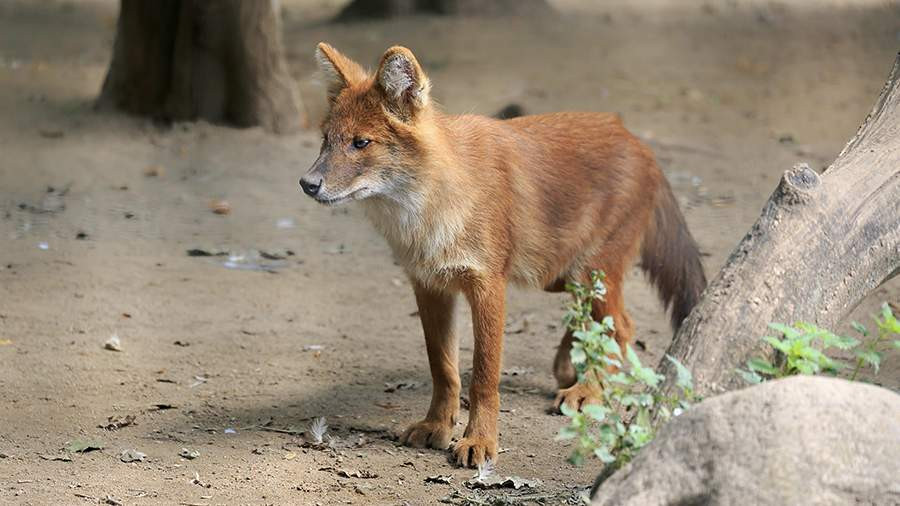
The authors note: “Large, wide-ranging carnivores living at low natural densities are especially vulnerable to snaring, and the dhole is unlikely to persist given the intense poaching pressure in Vietnam.”
The ongoing decline carries broad ecological consequences beyond the species itself. The study warns that loss of apex predators can disrupt complex food webs, causing ecosystem shifts known as trophic cascades. Though these effects may take decades to manifest in Vietnam, the authors caution, “without this apex predator, these forests are likely to degrade into a less ecologically rich state.”
Challenges to dhole recovery
Natural return seems improbable. While dholes could repopulate Vietnam from neighboring Laos, Cambodia, or China, those nations also report serious declines. A potential source population exists in northeastern Cambodia’s Virachey National Park, a regional refuge for the species. Yet, any dholes moving from there into Vietnam would confront the ongoing snaring crisis and scarce prey.
Reintroduction is a theoretical option, supported by examples like Europe’s gray wolf recovery following reduced hunting. However, successful dhole restoration in Vietnam would require drastic snaring reduction and prey population recovery through improved law enforcement, decreased wildlife demand, education initiatives, and strengthened local stewardship.
- Categories:
- News











0 comments
Sign in to Comment