
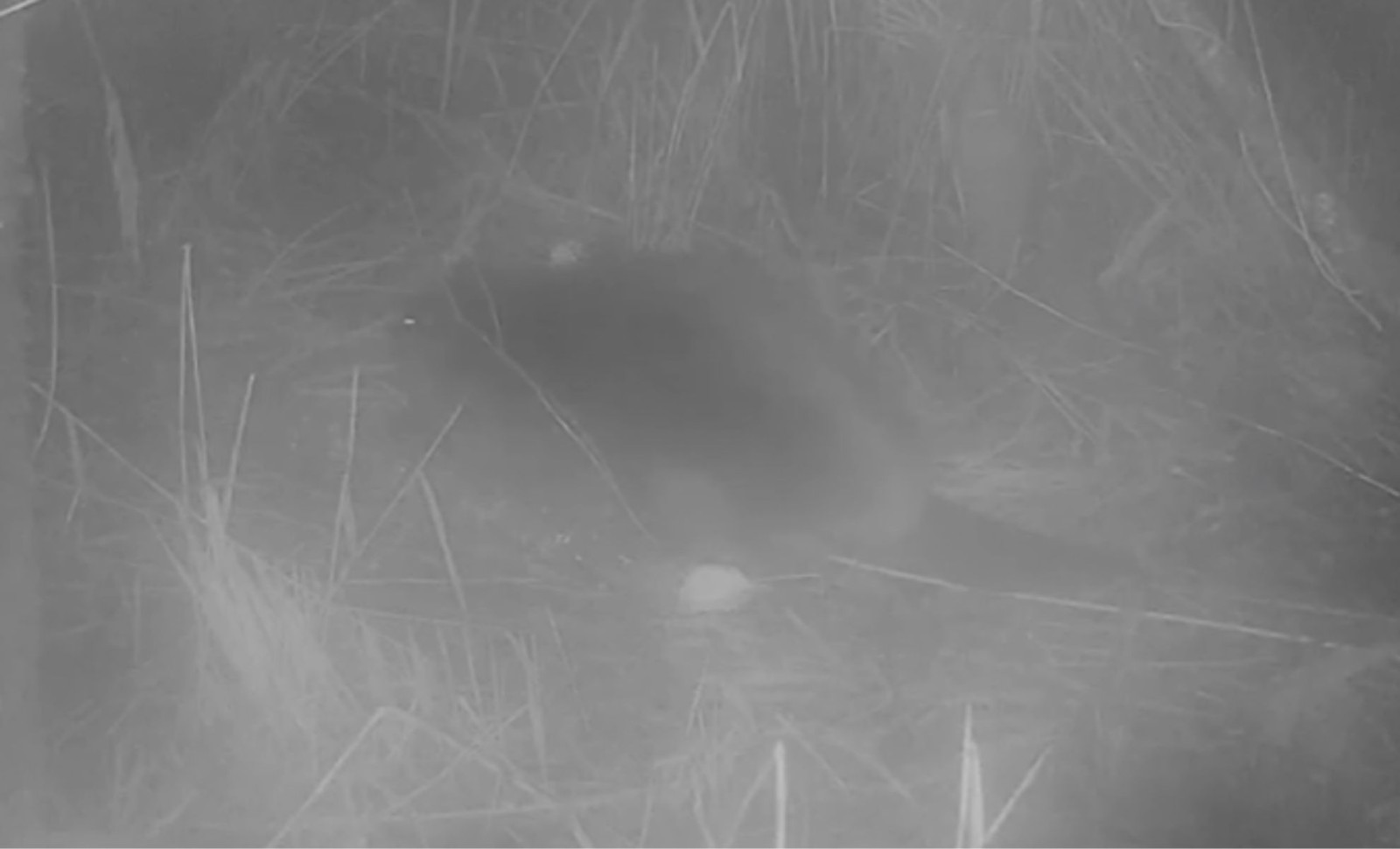
After more than 500 years without a sighting, a wild beaver has been identified in Norfolk, sparking intrigue and enthusiasm among conservation experts. Recent footage captured the animal gathering branches and constructing a lodge inside Pensthorpe Nature Reserve, situated along the River Wensum.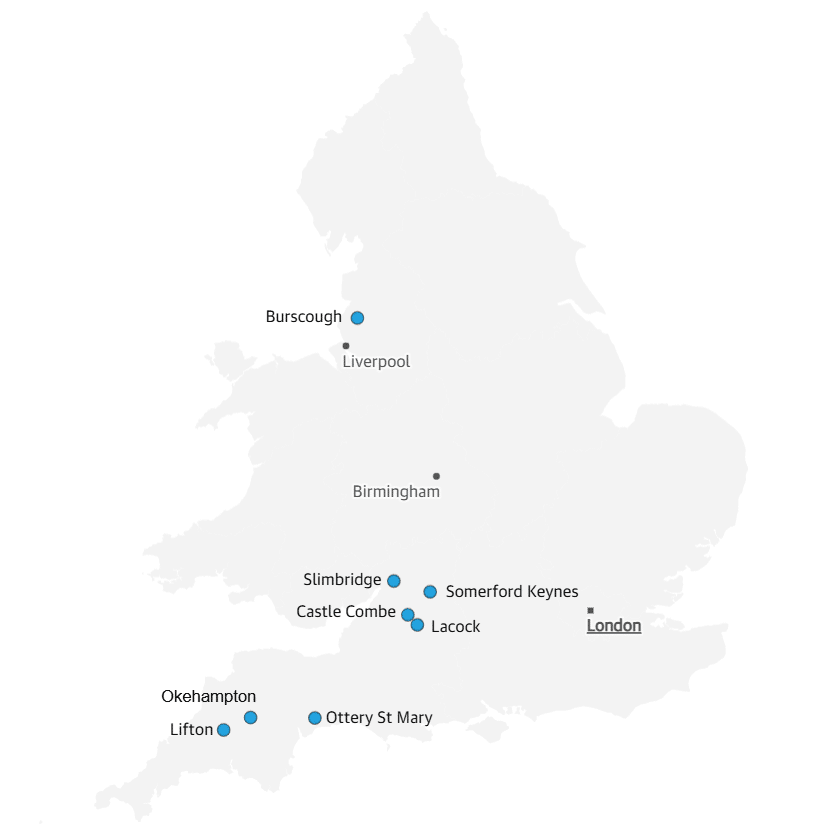
This sighting is unrelated to any licensed reintroduction initiative. No permissions have been granted, no organizations have stepped forward as responsible parties, and officials remain uncertain about how the beaver appeared in a region where it has been absent since the 16th century.
Unregulated Return of a Native Species
The sudden presence of a wild Eurasian beaver (Castor fiber) emerges amid ongoing government deliberations concerning beaver rewilding strategies in the UK. Since March 2025, Natural England has begun issuing permits for beaver release projects, but only one sanctioned wild introduction has been completed—four beavers were released under supervision in Dorset’s Purbeck Heaths.

With over 39 requests submitted, including applications from The Wildlife Trusts, progress has been gradual. Meanwhile, unmonitored beaver groups have established themselves in regions such as Devon, Kent, Herefordshire, Hampshire, and Somerset, developing populations outside official programs.
Norfolk is not known to harbor wild beavers, nor are there reports of escapes. This has led to speculation that the beaver may be the product of an unauthorized release—sometimes called “beaver bombing”, where activists intentionally free the animals without approval.
Richard Spowage, Pensthorpe Reserve’s manager, noted that the beaver was living in a densely vegetated, rarely visited part of the park and had probably been present for more than a month before detection.
Beavers as Environmental Catalysts
Beavers are renowned as ecosystem engineers. Their dam construction modifies habitats, benefiting a variety of species, enhancing water retention, and helping mitigate flooding. In the UK, the species has become integral to conversations on climate resilience through nature-based solutions and river habitat restoration.
Research in trial sites confirms their positive influences. A 2020 study from the University of Exeter showcased benefits including improved water quality and boosted habitats for amphibians, birds, and invertebrates from beaver reintroductions in Devon.
Beavers are nocturnal plant-eaters relying on bark, aquatic vegetation, and woody branches for nourishment and shelter. At Pensthorpe, the beaver was observed gathering willow branches and storing wood—instinctive behaviors for preparing food caches ahead of harsh weather or flooding.
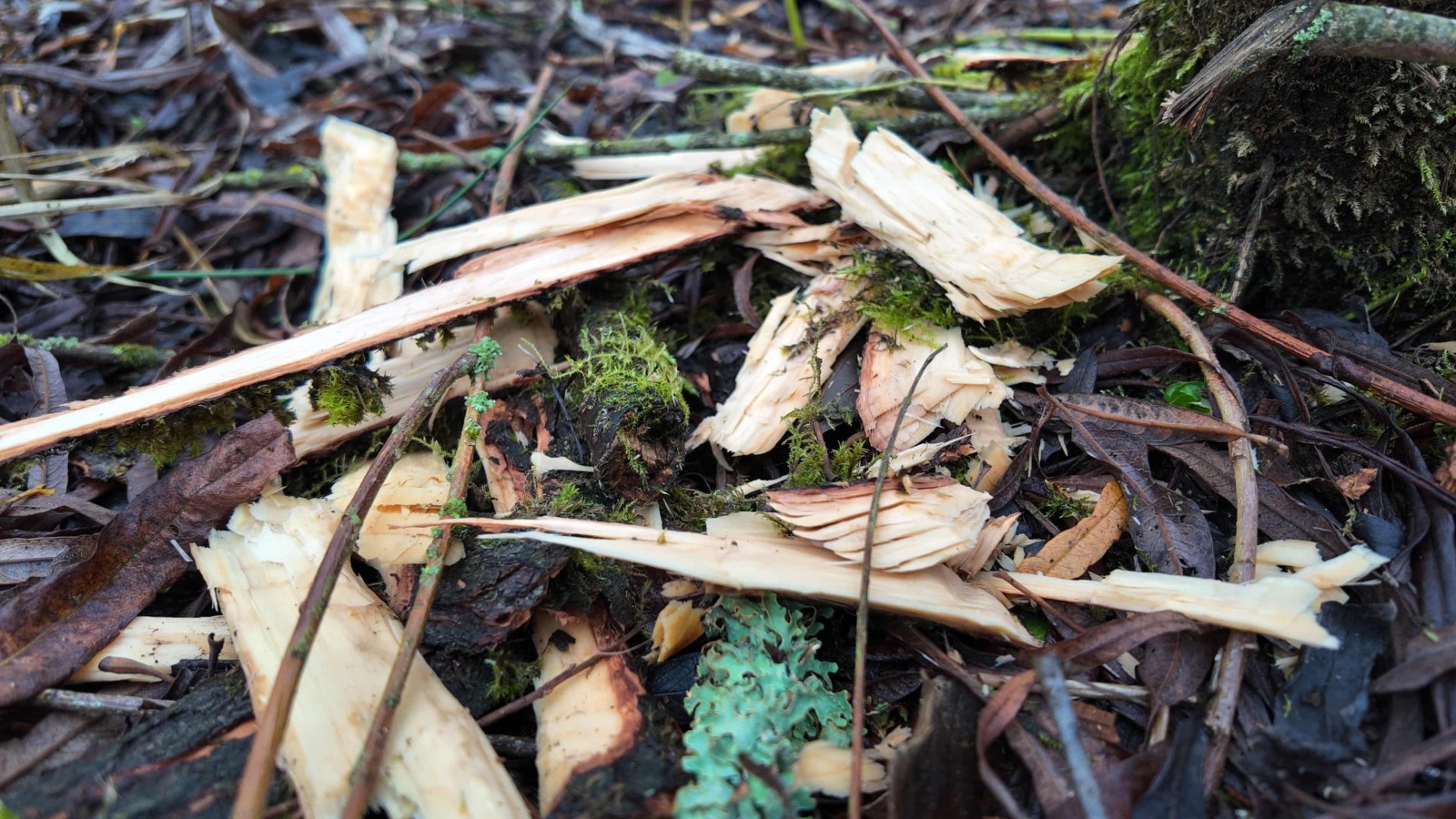
The individual’s sex and age are currently unknown, but its actions indicate successful adaptation to its surroundings. The River Wensum, a rare chalk river in the UK, offers stable flow and diverse ecosystems ideal for beaver habitation.
England’s Conservative Policy Faces Emerging Challenges
While the Scottish government has embraced a progressive beaver management stance—recognizing the species as native since 2016 and permitting relocations to boost wild numbers—England has advanced cautiously. Concerns from agricultural sectors about potential crop damage, flooding risks, and management complexity in heavily farmed landscapes have slowed policy development.
This cautious approach is being tested by spontaneous rewilding events such as the Norfolk discovery. If beavers are colonizing independently or being released covertly, how sustainable is England’s tightly controlled approach?
Natural England continues processing release applications, but environmental advocates argue that a more flexible strategy is needed to keep pace with unofficial beaver appearances nationwide.
The Pensthorpe case highlights this debate. Whether the beaver arrived naturally through connected waterways or was introduced surreptitiously, it now thrives in a secluded, protected spot without human intervention.
- Categories:
- News









0 comments
Sign in to Comment