
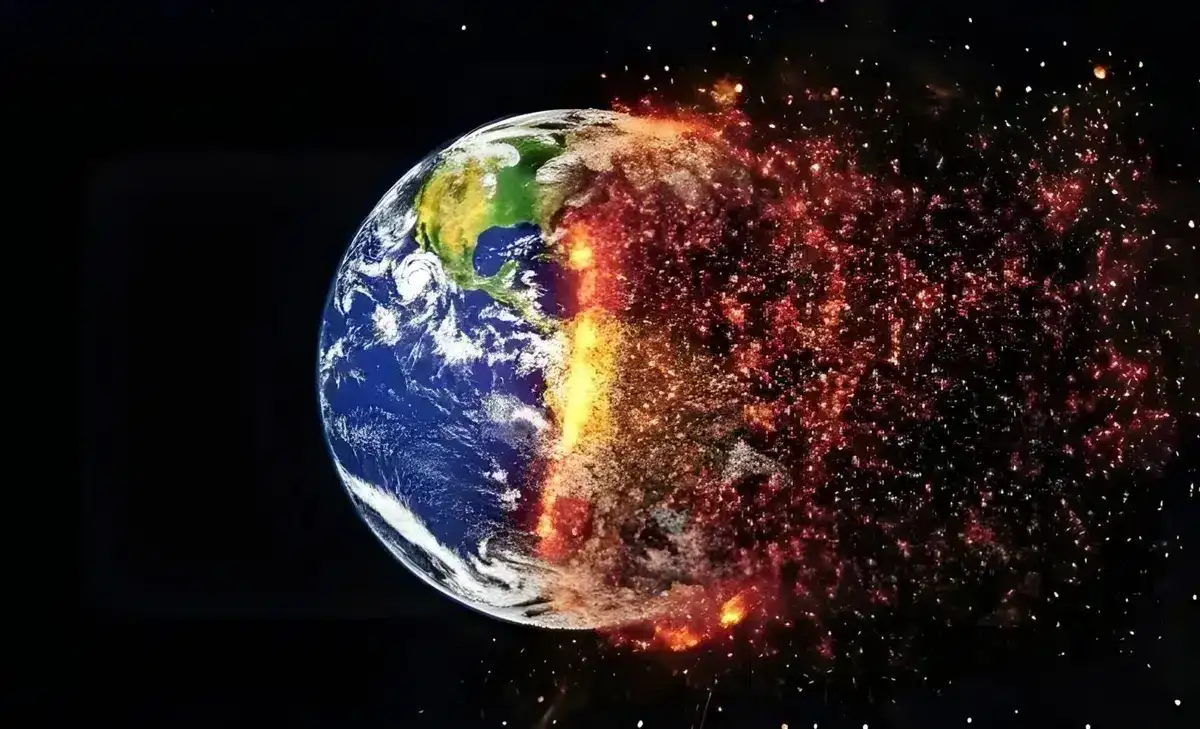
Climate tipping points mark critical junctures within Earth’s natural systems, where surpassing these limits sets off drastic, often irreversible transformations. Key examples include:
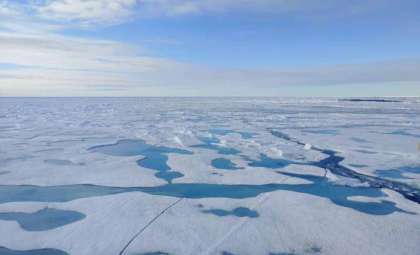
- The retreat of polar ice masses
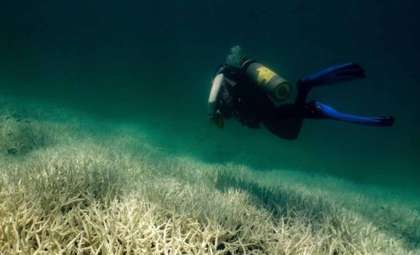
- The widespread death of tropical coral reefs
- The breakdown of essential ecological networks
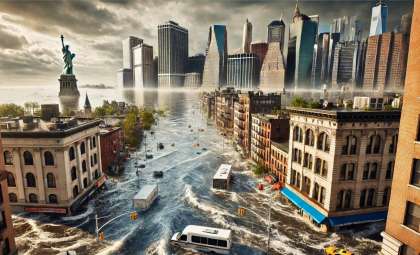
Crossing these thresholds can result in severe consequences such as coastal inundation, loss of species diversity, and disrupted global weather patterns. While the environmental ramifications have been well documented, the financial burden tied to managing these changes has remained understudied until recent research.
Leading the study, mathematician Parvathi Kooloth remarks: “You either pay the price immediately, just before crossing the tipping point, or delay action. But if you postpone, the scale of intervention required to return the climate to its current state skyrockets.” This insight highlights the critical need for prompt climate mitigation efforts.

The fleeting "overshoot window" of opportunity
The researchers identified a brief period known as the “overshoot window,” which follows right after a tipping point is passed. During this interval, intervention costs increase gradually, presenting a narrow chance to limit damage. This window arises partly because adjacent components like ocean temperatures lag in responding, slowing the full onset of change.
Yet, Kooloth warns: “This opportunity isn’t without cost. The additional margin comes with a much sharper rise in intervention expenses once the overshoot window closes entirely.” This underlines the urgency for rapid and effective measures to confront the climate crisis.
The concept of tipping points links closely to other climate risks, such as a possible breakdown of Atlantic Ocean currents that could lead to dangerous cooling in localized areas. Comprehending these interrelated dynamics is vital for crafting impactful climate policies.
Uneven challenges in reversing climate damage
A troubling aspect uncovered by the study is the uneven nature of recovery after crossing tipping points. Some effects may be irreversible, or the effort needed to reverse them far exceed the impact of the initial damage. This asymmetry poses a formidable hurdle for climate restoration.
To illustrate, Kooloth notes: “Arriving in 2100 without sea ice means simply cutting emissions to today’s 2024 levels might not suffice to regenerate the ice we still have now.” This contrasts the relative ease of causing ecosystem damage with the much greater difficulty involved in repairing it — emphasizing the importance of proactive prevention.
To put this into perspective, consider these cost comparisons:
These figures reinforce the economic sense of investing in mitigation early rather than facing larger expenditures later. With emerging solutions like advanced CO2 capture methods gaining traction, timely deployment is essential.
Immediate interventions required
Findings from this research send a clear alert to policymakers and global leaders: the window to act effectively is closing fast, and the financial costs of delay will escalate sharply. Without swift, decisive steps, we face irreversible global damage.
Critical actions include:
- Substantial cuts in greenhouse gas emissions
- Scaling renewable energy infrastructure
- Deploying carbon capture and storage solutions
- Safeguarding and restoring vital ecosystems
Additionally, tackling increasing methane emissions, a highly potent greenhouse gas, is integral to limiting warming. Confronting these priorities head-on provides our best chance of reducing the worst impacts and maintaining Earth’s habitability for the future.
At this pivotal moment, the takeaway is clear: the expense of repairing climate damage after crossing critical thresholds is enormous. Prompt and committed action remains the most effective path to prevent irreversible harm and sustain the planet’s delicate equilibrium. Time is running out, and bold leadership is imperative.
- Categories:
- Climate change






0 comments
Sign in to Comment