

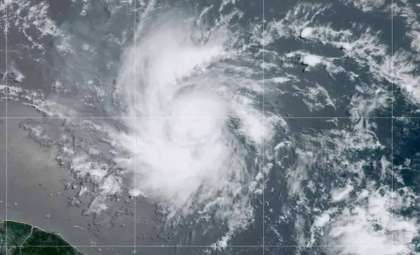
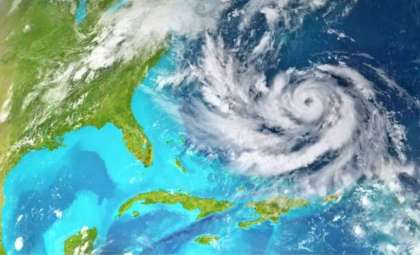
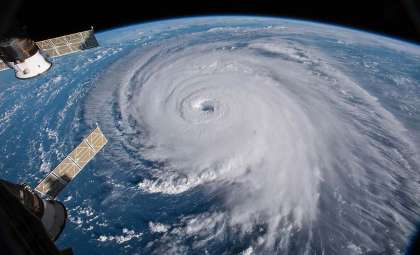
As Tropical Storm Debby nears the Gulf Coast, meteorologists report the storm is gaining strength and may escalate into a hurricane before arriving onshore.
Emergency officials in Florida and Georgia are gearing up for serious impact, including dangerous storm surges and widespread heavy rains.
Tracking Debby: Current Status and Forecast
Sunday morning updates place Tropical Storm Debby about 130 miles west-southwest of Tampa, moving northwest at 13 mph with winds reaching 65 mph. The National Hurricane Center has highlighted the risk of a “life-threatening situation” as the storm threatens historic precipitation and devastating flooding.

Debby is projected to hit the Gulf Coast by Monday, potentially escalating to a Category 1 hurricane. Its trajectory will cover northern Florida and southern Georgia, bringing prolonged heavy rain and escalating risks of flooding and wind damage.
Georgia Declares State of Emergency
In response to the approaching storm, Governor Brian Kemp has enacted a state of emergency across all 159 Georgia counties. This action streamlines the deployment of state resources to effectively address storm impacts. The Georgia Emergency Management and Homeland Security Agency (GEMA/HS) is actively tracking the storm and preparing to provide critical support. The state’s operations center ramped up to full capacity on Sunday to oversee coordination and emergency response measures.
Chris Stallings, director of GEMA/HS, stressed, “As Tropical Storm Debby nears, we urge everyone to stay informed through reliable sources and heed local advisories.”
The storm is poised to deliver tropical storm-force winds across southern Georgia, with risks such as fallen trees, power interruptions, and flooding. Governor Kemp has encouraged residents to remain vigilant and prepare thoroughly.
Florida's Emergency Actions and Evacuation Orders
In Florida, comprehensive efforts are underway to combat the effects of Debby’s approach. Governor Ron DeSantis has mobilized the Florida National Guard and the Florida State Guard to provide aid and conduct search-and-rescue operations. Mandatory evacuations are in effect across key Gulf Coast counties including Pasco, Hernando, Citrus, among others. Emergency shelters are operational, and residents in vulnerable zones are advised to evacuate promptly.
President Joe Biden has officially declared a federal emergency in Florida, enabling FEMA to lead coordinated disaster response efforts. Governor DeSantis stressed, “Our emergency teams are ready to respond with speed and efficiency,” urging everyone to heed evacuation instructions and secure shelter.
“Heavy rain and significant flooding are inevitable. Power outages are expected,” Governor DeSantis cautioned. He also warned that risks like storm surge, strong winds, and tornadoes could develop ahead of the storm’s center and outside of the forecasted path.

Expected Effects and Recommended Precautions
Heavy Rain and Flood Risks
Tropical Storm Debby could bring severe flash flooding across the southeastern U.S. during the upcoming week. Rainfall totals in Florida may range from 6 to 12 inches, with certain spots receiving up to 18 inches. Southeastern Georgia and South Carolina could see between 10 and 20 inches, with isolated areas potentially experiencing up to 30 inches. The storm’s slow pace compounds flooding dangers over extended periods.
Coastal Surge Threat
The National Hurricane Center has issued hurricane warnings for Florida’s Big Bend area, with storm surge alerts spanning from Longboat Key to the Tampa Bay region. Surge heights could peak near 10 feet in some locales, threatening coastal communities with dangerously high water levels. Officials emphasize the risk of “life-threatening storm surge flooding” across areas including Hernando Beach, Crystal River, Steinhatchee, and Cedar Key.
Wind Hazards
Strong winds from Debby are expected, potentially bringing down trees and utility lines, which could result in extensive power outages. The most intense winds will concentrate near the storm’s eye during landfall.
Tornado Possibility
There is a chance for isolated tornadoes through Monday morning, especially in western and northern parts of Florida and southern Georgia.
Safety Guidelines
- Avoid attempting to drive or walk through standing or flowing water.
- Steer clear of any fallen power lines.
- Take shelter in a windowless, interior room or corridor on the lowest level if you cannot access a basement or underground space.
- Prepare an emergency kit containing essentials such as bottled water, non-perishable foods, flashlights, and spare batteries.
Hurricane Season Outlook
Tropical Storm Debby marks the fourth named storm to form during the 2024 Atlantic hurricane season, following Tropical Storm Alberto, Hurricane Beryl, and Tropical Storm Chris.
Running from June 1 to November 30, this year’s hurricane season is forecast to be notably active, with meteorologists revising upward their early-season predictions after an unusually busy start.
The season’s peak normally takes place in September, with the majority of storm activity occurring between mid-August and mid-October.
- Categories:
- News ,
- Climate change










0 comments
Sign in to Comment