
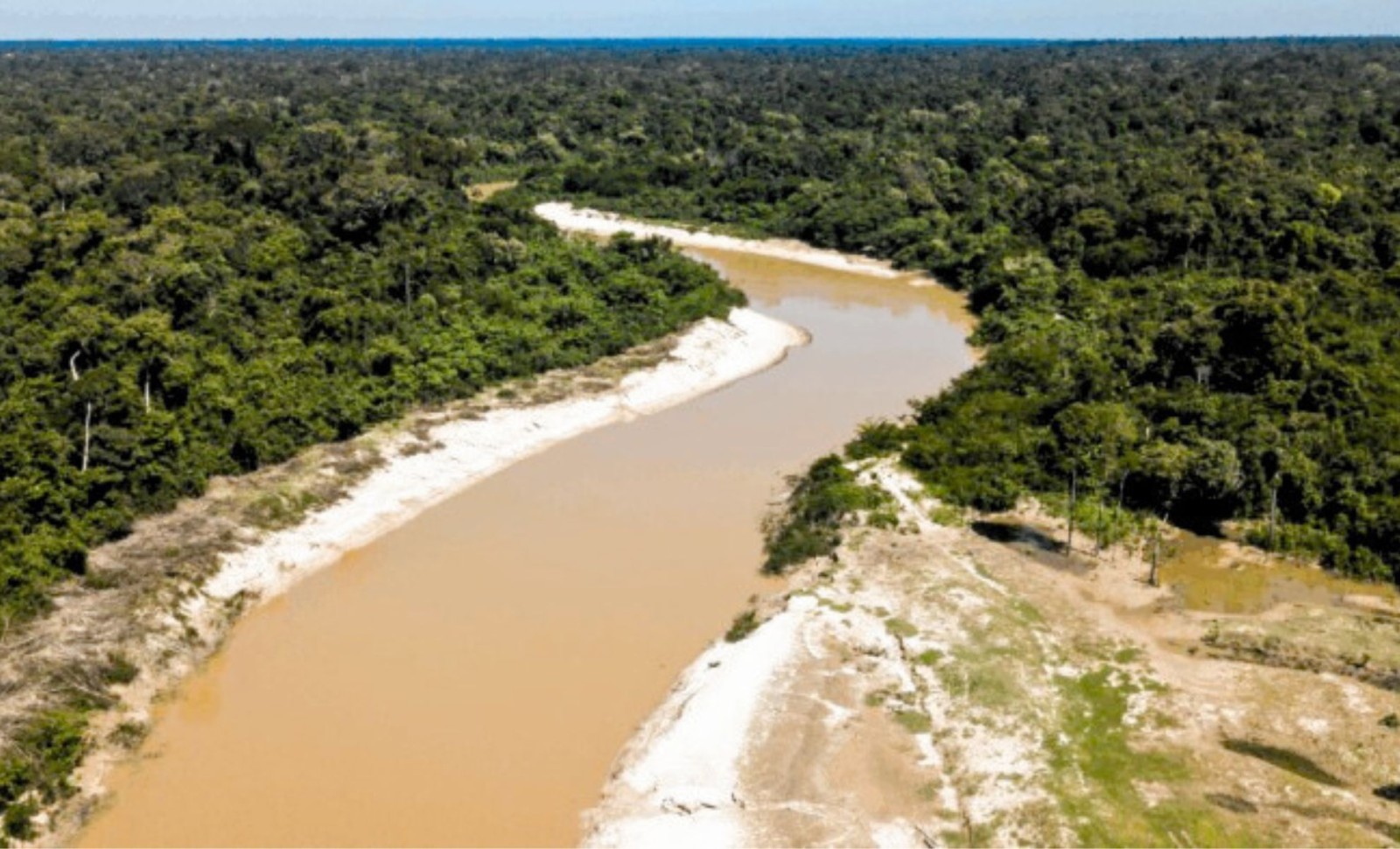
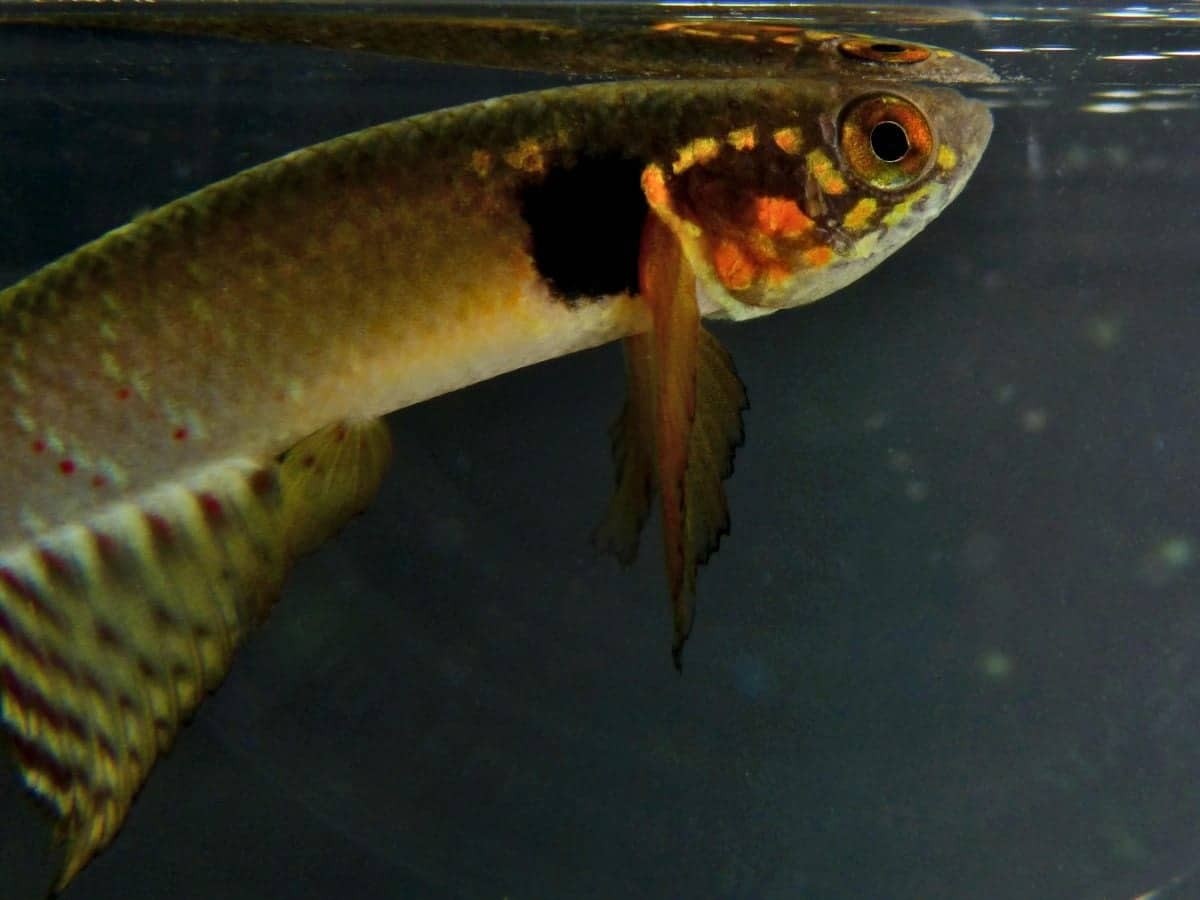
In the shrinking wilderness of Bolivia’s Amazonian borders, conservationists have made a remarkable find. A fish species, Moema claudiae, believed extinct for over twenty years, has been rediscovered alive.
This vibrantly colored seasonal killifish had not been seen in the wild since the early 2000s. Its original habitat, seasonal wetlands situated at the forest-savanna edge in northern Bolivia, has been largely transformed into farmland. After more than two decades without any sightings and the destruction of its known habitat, Moema claudiae was classified as Critically Endangered (Possibly Extinct) by the International Union for Conservation of Nature.
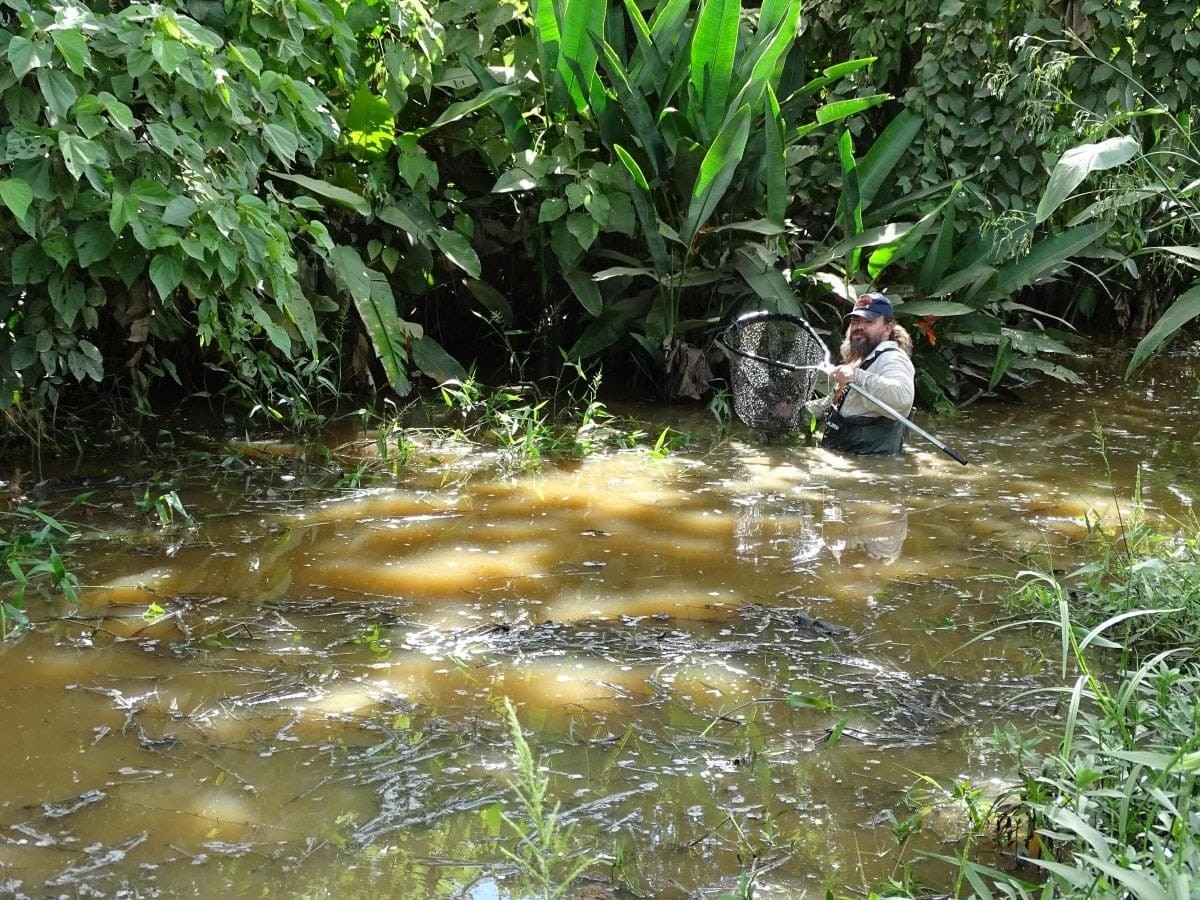
In 2025, researchers discovered a surviving population in a temporary pond tucked within a small forest patch surrounded by cropland. This discovery, published in Nature Conservation, not only resurrects a species thought lost but also highlights a delicate and overlooked ecosystem on the verge of disappearance.

A Surprising Sanctuary
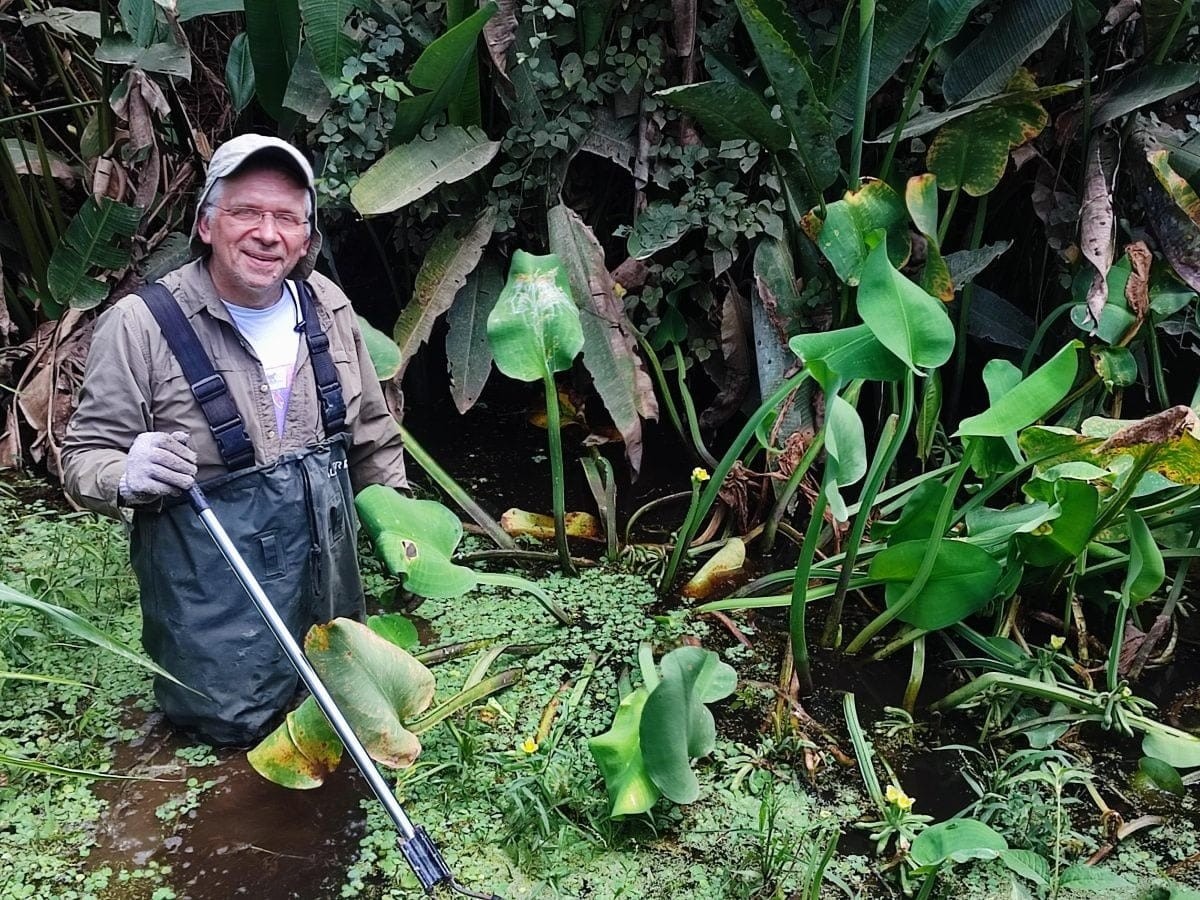
During a field study led by Heinz Arno Drawert and Thomas Otto Litz from the Museo de Historia Natural Noel Kempff Mercado in Santa Cruz de la Sierra, the fish was found living in a small ephemeral pond, a rare remainder of its original environment. This region, located where the Amazon rainforest meets the Llanos de Moxos savanna, is biologically rich but severely fragmented.
Before this finding, Moema claudiae was one of several killifish species native to Bolivia effectively missing from scientific records. Despite thorough surveys, no individuals had been recorded for over two decades, justifying its classification as nearly extinct in the IUCN database.
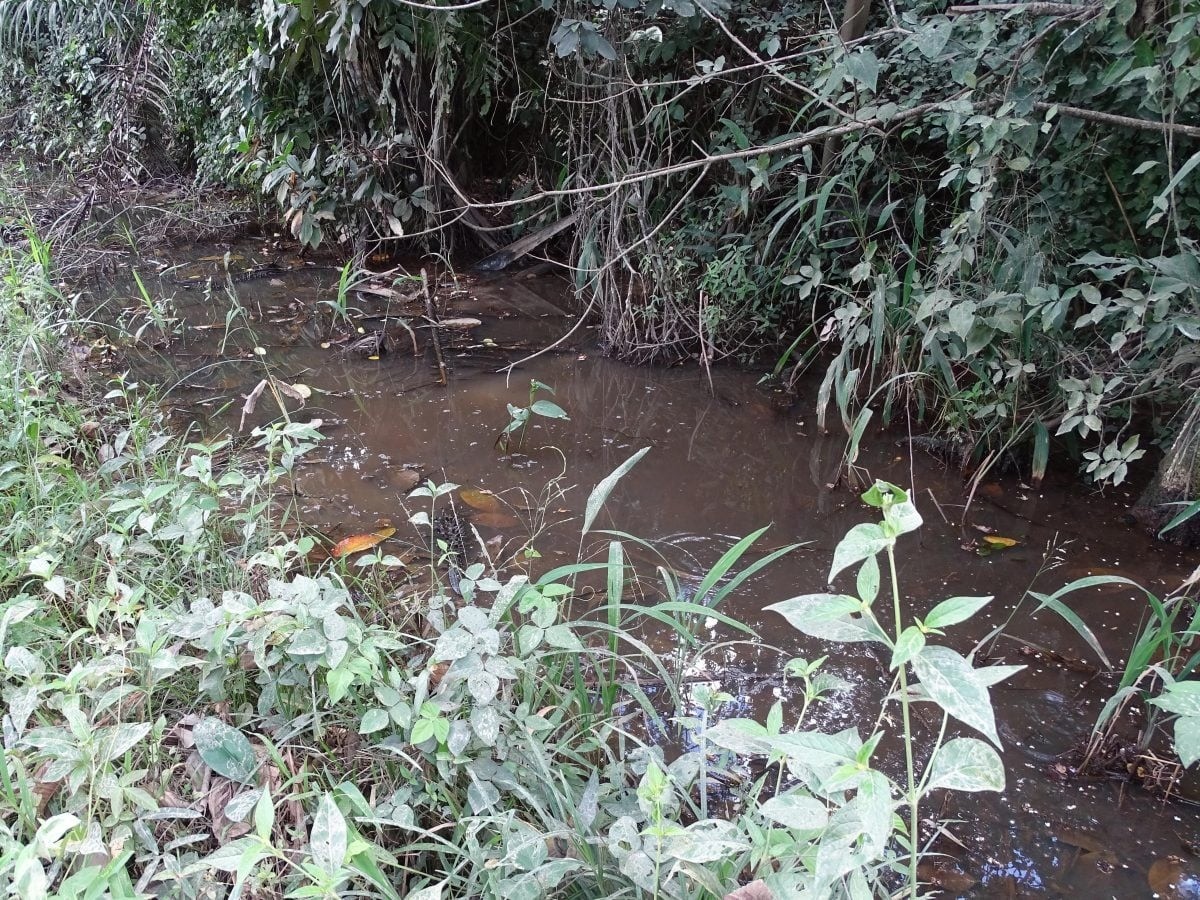
Even more remarkable, the pond houses six additional species of seasonal killifish, establishing it as the most genetically diverse site known for this group of fishes worldwide according to the researchers.
This extraordinary biodiversity exists within a zone heavily affected by Bolivia’s ongoing deforestation crisis. Data from Global Forest Watch reveals nearly 10 million hectares of forest loss in Bolivia since 2000, primarily in the lowlands where agricultural development is advancing steadily.
Seasonal Killifish and Their Dormant Survival Strategy
Moema claudiae is part of a distinctive class of freshwater fish known as annual or seasonal killifish, specialized to inhabit temporary pools that form during rainy seasons and vanish during dry periods. They survive by enduring diapause, a dormant embryonic stage buried in dry sediment until water returns, sometimes after several months.
This extraordinary adaptation relies on the presence of ephemeral wetlands, microhabitats that are highly vulnerable to destruction due to land conversion and often overlooked in environmental protection efforts because of their transient nature.
Once lost, these critical habitats require millennia to reestablish—if they ever do.
The team’s publication includes the first live images of Moema claudiae, along with detailed observations of its behavior and ecology previously undocumented. Their investigation confirms the species’ ongoing existence but also highlights its precarious status, surviving in just a single known wild population with a persistent risk of extinction.
Heightened Threats to Vulnerable Habitats
This rediscovery has prompted immediate advocacy for targeted conservation actions. The scientists warn that the ephemeral pond may represent the last refuge for Moema claudiae, and protecting it means preventing further agricultural intrusion and conserving the surrounding forest patch that shields the pond during dry seasons.
Between 2001 and 2020, deforestation rates ranked Bolivia among the countries with the highest tropical primary forest losses. The lowland ecosystems harboring these unique fish populations are being cleared at an increasing rate.
Although legal protections for wetlands exist in Bolivia, enforcement on the ground is often lacking. In frontier areas dominated by intensive farming, temporary water bodies are frequently drained or degraded, with minimal oversight or rehabilitation efforts.
The same factors that enabled Moema claudiae to survive also place it at great risk: a narrowly localized species, dependent on a very specific and fragile habitat, highly susceptible to environmental disturbances.
Still Here, but Facing an Uncertain Future
The existence of Moema claudiae challenges conventional ideas about extinction timelines. In remote and poorly monitored regions, species may persist undetected for extensive periods. Such rediscoveries expose gaps in current biodiversity monitoring and caution against declaring species extinct prematurely.
Nevertheless, rediscovery is not restoration. Without urgent and effective protective measures, this lone population may disappear with the next dry spell. The finding should be viewed as a critical chance for conservation, not a sign that the crisis has passed.
This habitat represents more than just an ecological curiosity. It embodies a reservoir of evolutionary insights and ecosystem resilience, exemplifying adaptations to seasonal environmental extremes. The biology and survival tactics of Moema claudiae make it a key indicator of the condition of freshwater diversity throughout the Amazon basin.
- Categories:
- News







0 comments
Sign in to Comment