
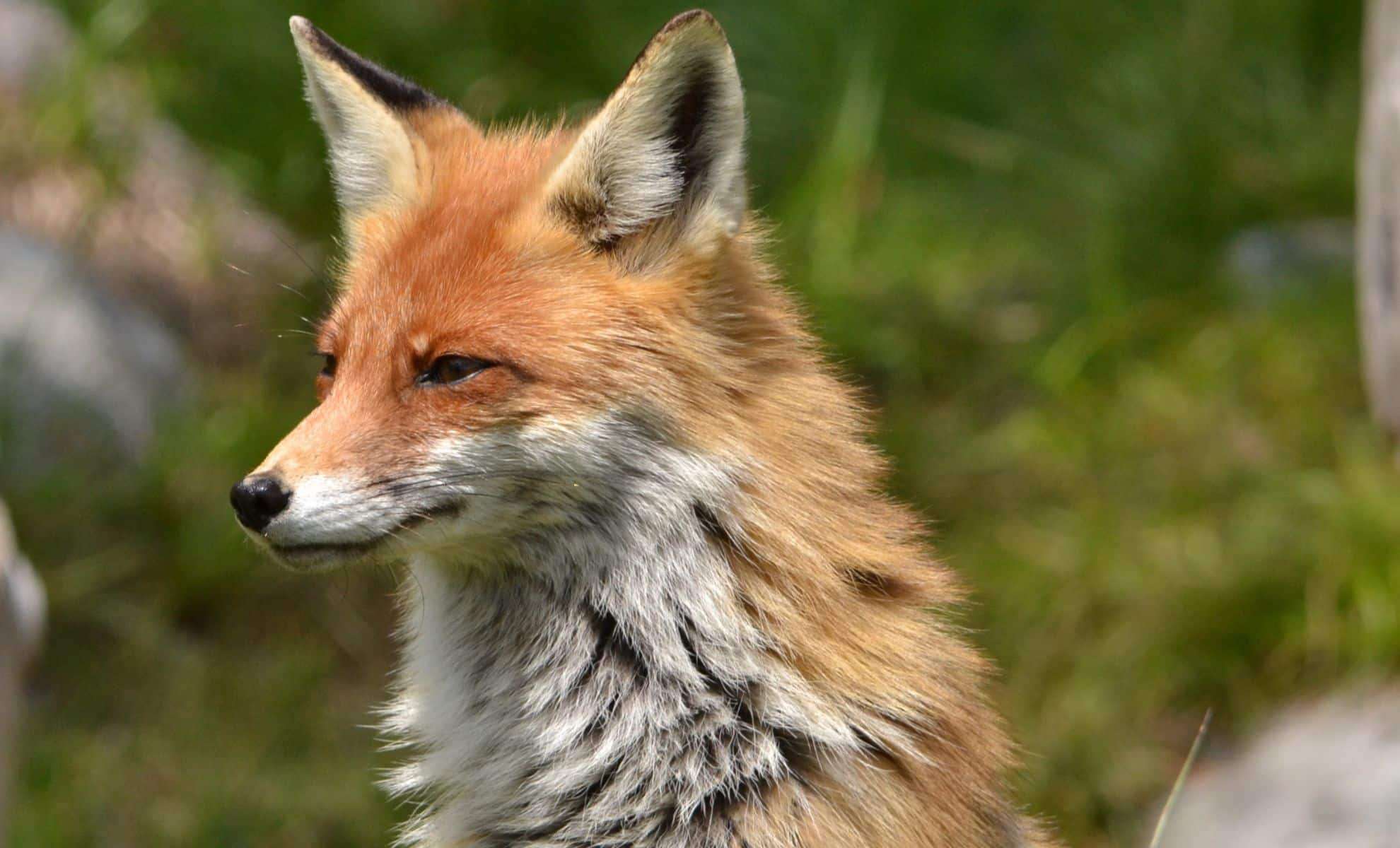
Researchers have uncovered a previously unknown population of foxes inhabiting the secluded mountainous regions of northern New England, according to Animal around the Globe. Dubbed the New England Highland Fox for now, this distinct group presents physical and genetic features that challenge the prevailing taxonomy of foxes across North America.
A Photographer’s Discovery Sparks Interest in an Enigmatic Fox Population
The initial identification of this rare fox group dates back to late 2021 when wildlife photographer Elaine Westbrook captured compelling photos of an unusual fox-like creature while exploring Vermont’s Green Mountains.
Local residents had occasionally spotted foxes unlike the typical red or gray varieties native to the area. Westbrook’s images revealed an animal coated in rusty orange hues adorned with unexpected silver-gray streaks and a shorter tail tipped in black, setting it apart from known species. With this visual proof, scientists installed trail cameras throughout northern New England, documenting multiple encounters in the following 18 months.

The canid was provisionally named the New England Highland Fox owing to its inclination for high-altitude woodlands and alpine meadows above 2,500 feet. Its presence in such rugged and isolated terrain likely explains why it escaped detection until now.
Distinctive Morphology and Genetic Makeup Define the New Fox
This fox population features several notable physical characteristics. Adult individuals weigh around 12 pounds, placing them in-between the sizes of common red and gray foxes. Their fur coat is primarily russet with striking silver-gray “saddle” patches along the shoulders and back. Their ears are more rounded than related species, and a thick neck ruff provides warmth against frigid mountain conditions. Compared to other local foxes, their legs are shorter and more muscular, adaptations suited for climbing rocky and uneven ground.
Genetic analysis indicates this group split from other vulpines 50,000 to 100,000 years ago, possibly evolving in isolation since the last glacial period. Their DNA shares traits with both red (Vulpes vulpes) and kit foxes (Vulpes macrotis) but remains genetically distinct enough to suggest they may represent a new subspecies or species.
Restricted Habitat Favors the Fox’s Survival in Remote Mountain Zones
Found predominantly at elevations above 3,000 feet in Vermont, New Hampshire, and western Maine, the New England Highland Fox favors mixed forests, rocky ridges, and alpine meadows. These locations, primarily within the White and Green Mountains, are less accessible and seldom extensively studied compared to the lowlands.
GPS tracking collars fitted on captured foxes revealed that individuals maintain relatively small territories, spanning 3 to 5 square miles, much smaller than the typical red fox ranges. This niche preference creates an isolated “mountain island” scenario, restricting gene flow and increasing chances of population vulnerability.
Urgent Conservation Efforts Needed to Protect This Fragile Fox Population
Current estimates suggest a population of fewer than 2,000 animals, raising concerns among conservationists about their long-term viability. Climate change, which threatens alpine ecosystems vital to this fox’s survival, along with habitat fragmentation, may heighten extinction risks linked to environmental shifts.
State wildlife authorities in Vermont, New Hampshire, and Maine have launched joint research and preservation initiatives. Organizations such as The Nature Conservancy are actively safeguarding critical habitats via land easements and conservation programs. Despite these efforts, challenges persist due to the animal’s elusive behavior, remote location, and the difficulty in gathering extensive biological data.
- Categories:
- News











0 comments
Sign in to Comment