
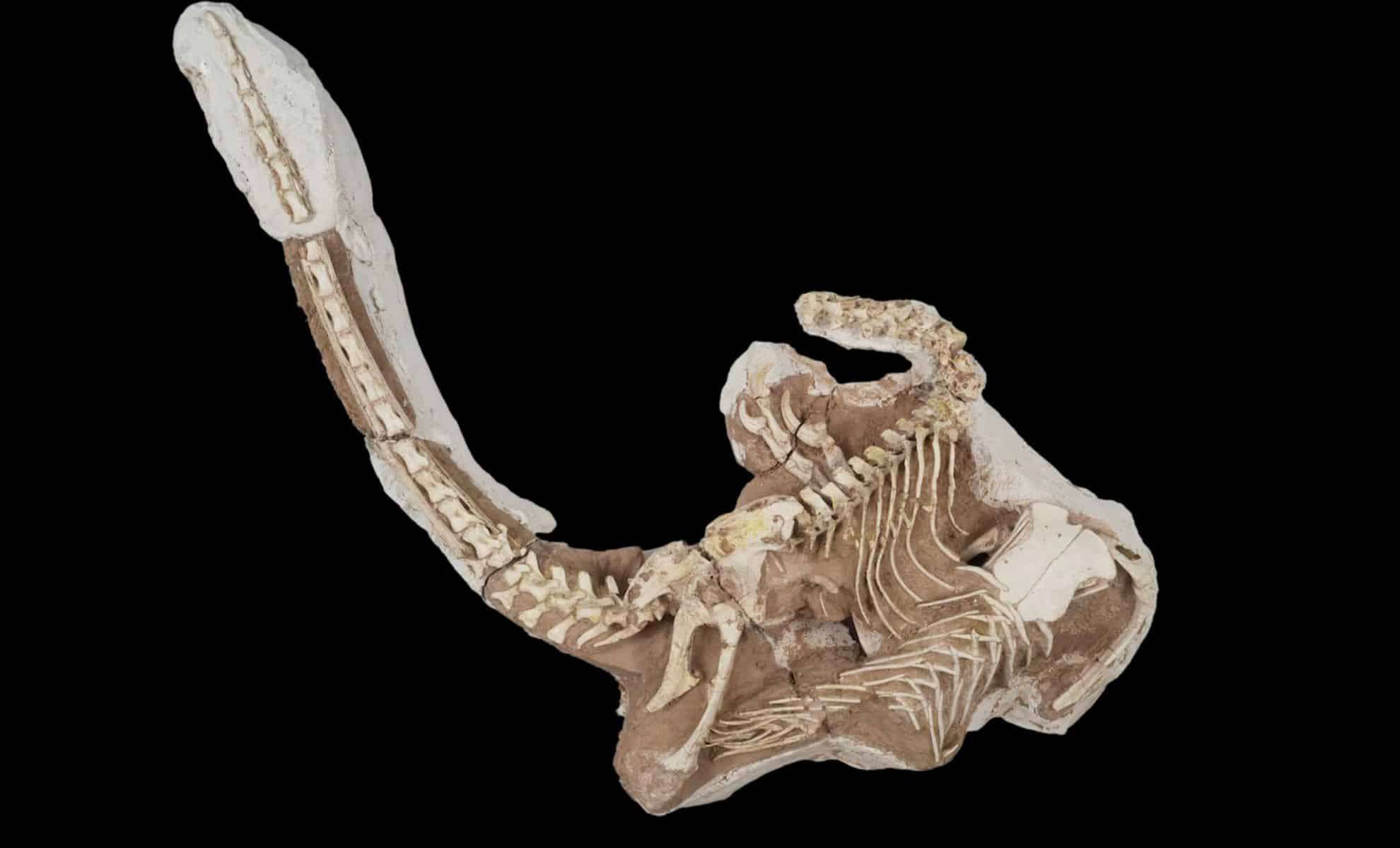
A recently identified dinosaur species closely linked to Velociraptor has captured attention thanks to its unique physical features and dramatic fossil history. Named Shri rapax, this formidable predator from the Late Cretaceous period likely possessed agility and lethality rivaling its famous relative. However, unlike the curved toe claws that made Velociraptor famous, Shri rapax evolved to wield its powerful forelimbs as primary weapons.
A fresh study published in the journal Historical Biology details the discovery, with lead researcher Maxime Moutrille and collaborators presenting the findings.
Unique Claws Redefine Raptor Hunting Techniques
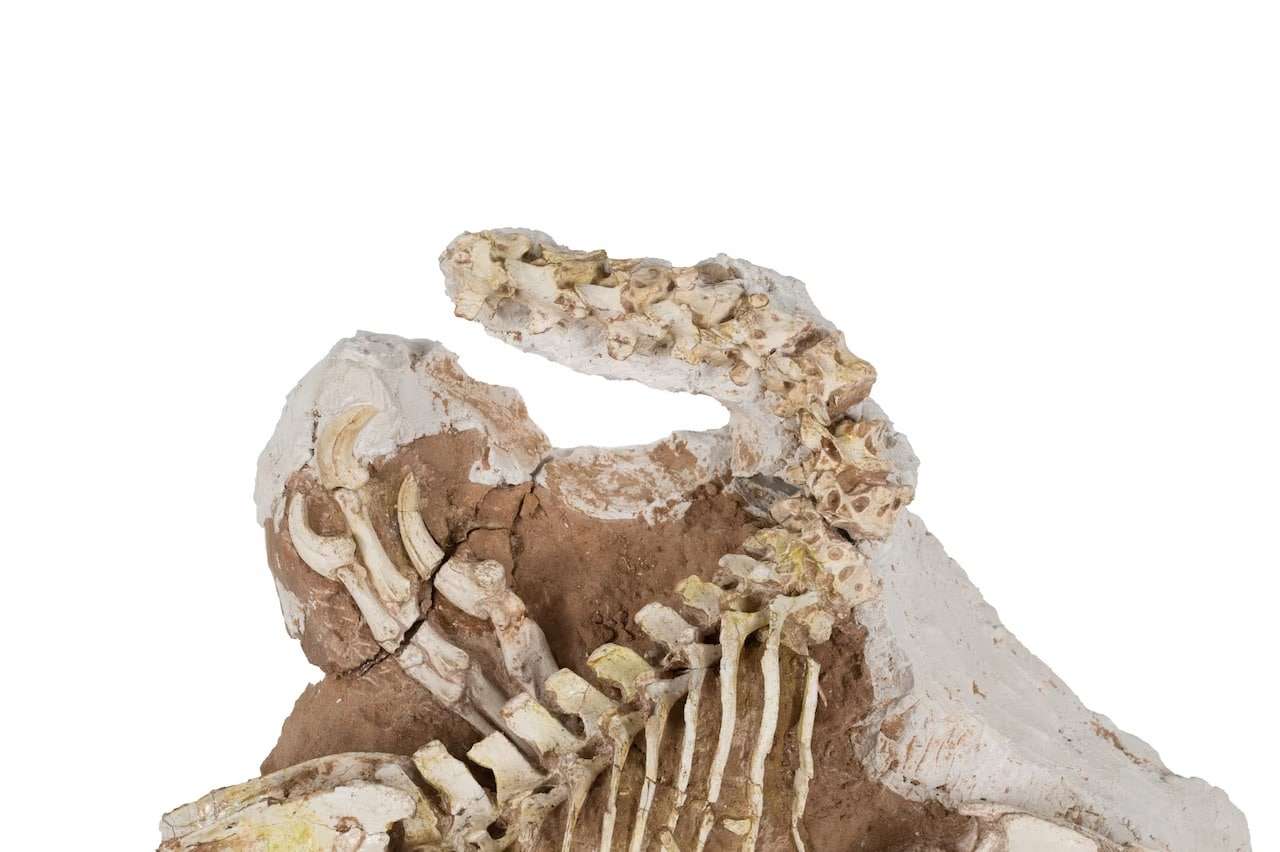
While pop culture has widely popularized the curved toe claws of Velociraptor, these dinosaurs were closer to turkey size than giant predators. Shri rapax was similar in size but showcased an entirely different hunting style. Its hands featured enlarged digits capped with razor-sharp claws nearly 8 centimeters long, about twice the length seen in comparable species.

“Finding such an unexpected dromaeosaur alongside the iconic Velociraptor was truly astonishing,” said independent Italian paleontologist Andrea Cau.
Scientists believe these massive thumb claws were supported by solid bone frameworks that anchored strong flexor muscles, enabling S. rapax to slash and pierce with its forelimbs effectively.
Adaptations for Distinct Hunting Roles
Despite sharing a common lineage, Velociraptor and Shri rapax likely avoided overlapping diets by targeting different prey species. The robust build and powerful hands of Shri rapax suggest it was specialized to subdue larger, tougher prey, such as juvenile ankylosaurs or small protoceratopsians. These animals posed stiffer challenges compared to the smaller prey that Velociraptor hunted.
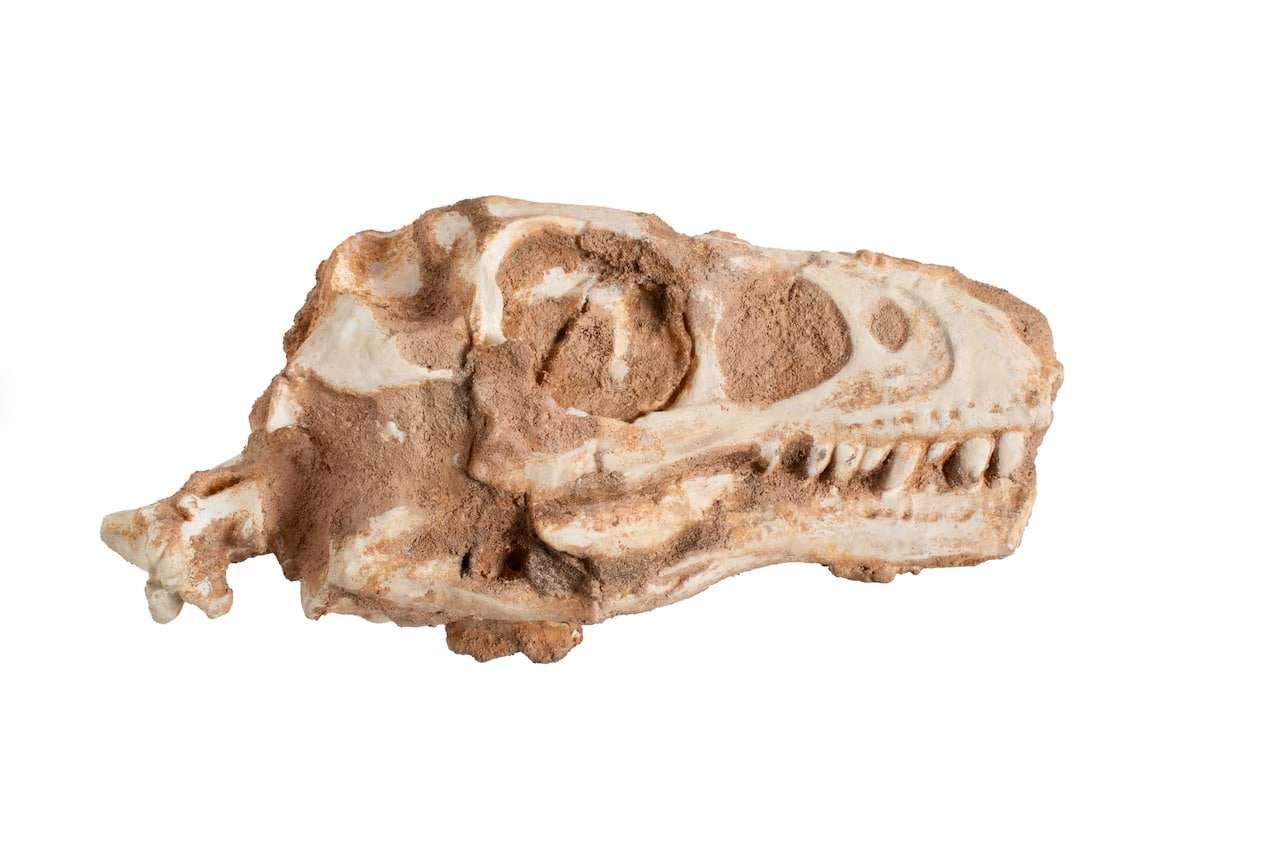
Further aiding its predatory prowess, Shri rapax featured a wider snout that probably delivered a more forceful bite. Although no foot fossils have been discovered, its close relation to dromaeosaurids implies it likely shared their signature sickle-shaped toe claws.
A Fossil’s Journey Spanning Multiple Countries
The tale of Shri rapax extends well beyond its fearsome features. Found in Mongolia, the fossil experienced a convoluted journey after being illegally removed. It passed through private collectors in both Japan and England before finally arriving at a French museum. Recently, it has been returned to Mongolia, where it now resides.
Complicating research further, the skull and neck bones were sent to Belgium for detailed scanning but subsequently went missing. In their absence, scientists fitted the skeleton with a 3D-printed replacement of the skull, based on the original scans. This unexpected loss adds an intriguing mystery to an already fascinating fossil.
“Beyond its scientific significance,” Andrea Cau remarked, “I’m pleased to contribute to repatriating these dinosaurs to their homeland.” By officially describing Shri rapax, the team hopes it may encourage efforts to recover its missing cranial elements.
- Categories:
- News










0 comments
Sign in to Comment