
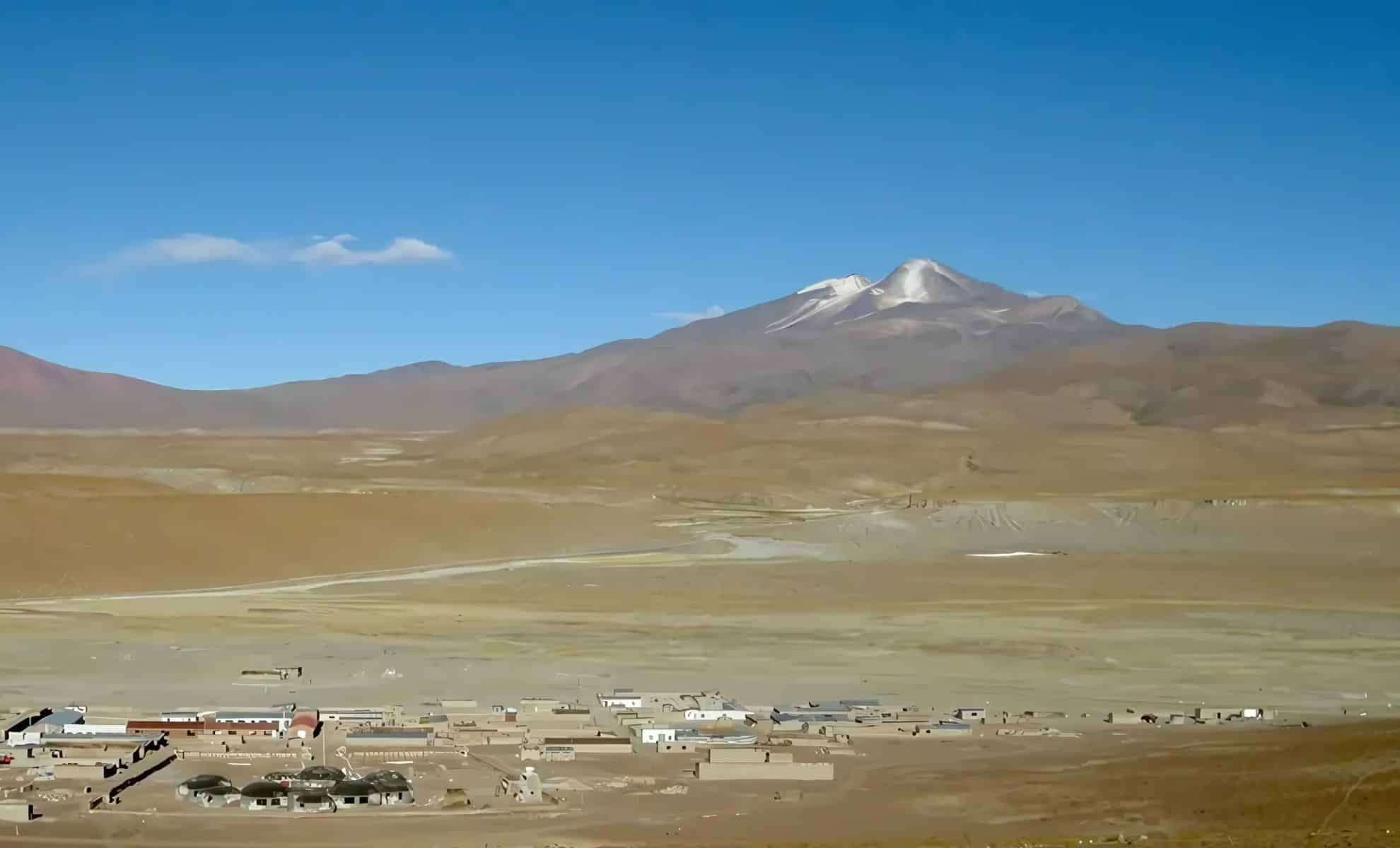
Bolivia's intriguing zombie volcano, silent for nearly 250,000 years, has baffled geologists with its unusual activity. Recent studies have shed light on the subterranean forces fueling this dormant giant's unexpected restlessness.
An Awake Volcano Without an Eruption
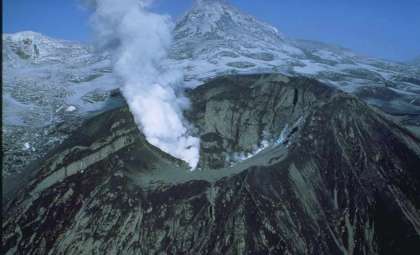
Towering at 19,711 feet (6,008 meters) in the southwestern Andes, the stratovolcano Uturuncu has the explosive potential akin to famous mountains like Mount St. Helens and Mount Vesuvius.
Since the early 1990s, satellite radar imagery and GPS monitoring have documented a unique “sombrero-shaped” ground swelling around Uturuncu.

Alongside this, emissions of volcanic gases—primarily carbon dioxide—and frequent tremors hinted at significant processes occurring deep underground.
For decades, experts theorized that a sizeable magma chamber was forming beneath the volcano, raising concerns about a potential future eruption.
However, the latest findings reported on April 28 in the journal PNAS have offered a different explanation.
The True Source Beneath Uturuncu
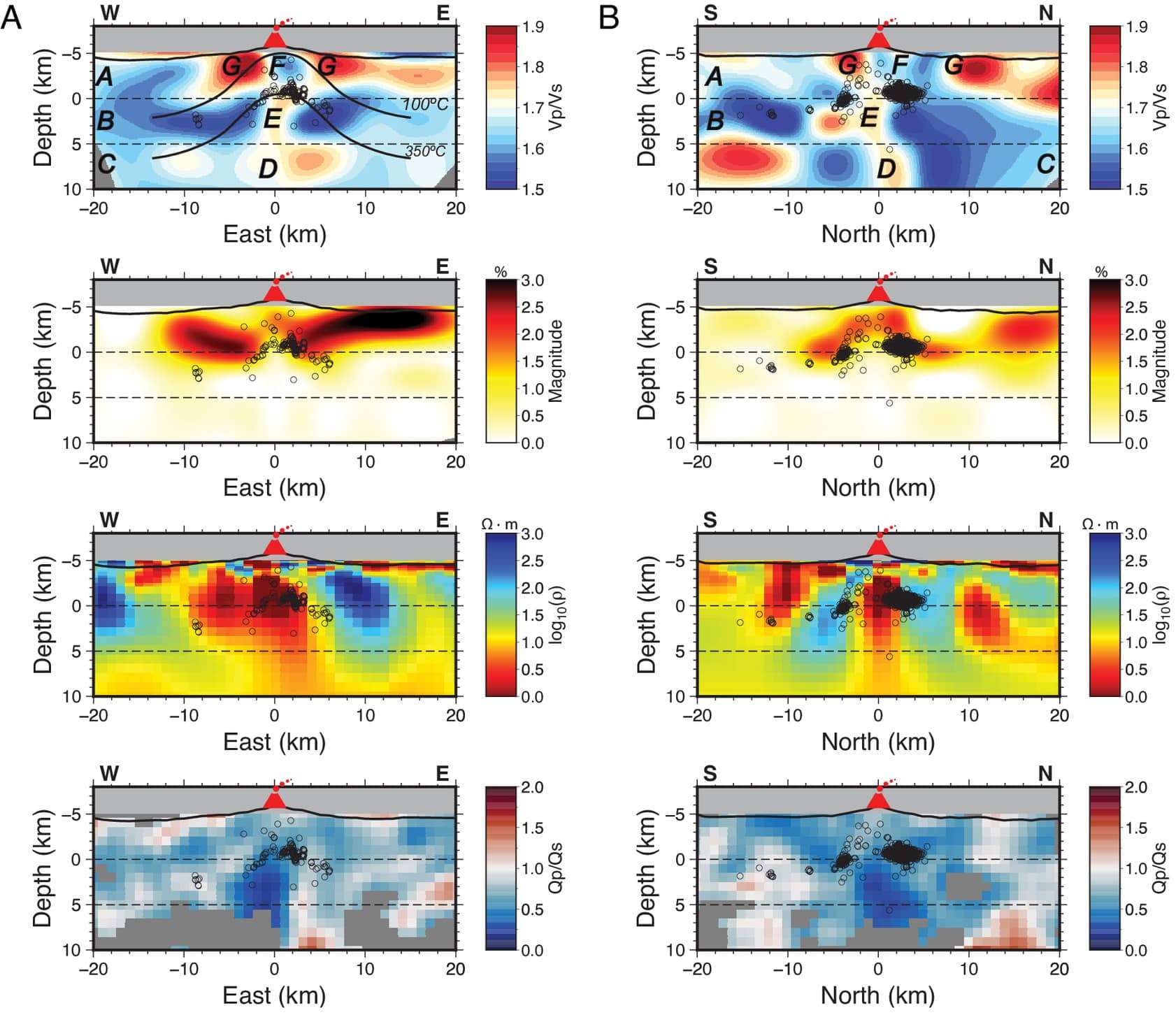
After examining more than 1,700 earthquake records and analyzing regional rock properties, scientists determined that the activity isn’t caused by ascending magma.
Instead, heated fluids and gases originating from the vast Altiplano-Puna Magma Body (APMB)—situated deep beneath southern Bolivia, northern Chile, and northern Argentina—are ascending through a confined, chimney-like passage directly under Uturuncu.
The study reveals that this upward flow of fluids triggers the observed surface movements and seismic quakes. Hot steam and CO₂ gather beneath the summit, while salty water disperses sideways through fissures in the volcano’s structure.
“This mechanism clarifies why the ‘zombie’ volcano remains active and helps predict its eruption possibilities,” the research team explained, “providing a framework to assess eruption risks at other volcanoes worldwide.”
Could Nearby Volcanoes Be Misjudged?
The study suggests that similar analytical techniques could be applied globally to evaluate the condition of volcanoes considered dormant or semi-active, potentially unveiling new threats from presumed inactive sites like this one in Bolivia.
Co-author Matthew Pritchard, geophysics professor at Cornell University, highlighted the implications:
“The approaches presented here are applicable to over 1,400 potentially active volcanoes and numerous others, including volcanoes like Uturuncu that are not conventionally classified as active but show ongoing signs of vitality—essentially unlocking the concept of other zombie volcanoes.”
Insights Into Earth's Inner Workings
Uturuncu serves as an invaluable model for exploring the inner dynamics of our planet.
The existence of the enormous, partially molten APMB is uncommon and offers a window into the prolonged evolution of giant magmatic systems through time.
The chimney-like structure beneath Uturuncu functions as a natural release valve, letting gases and fluids escape steadily without triggering large eruptions.
This process may explain why certain dormant volcanoes persist in emitting subtle signs of activity over extended periods.
The case of Uturuncu demonstrates that a volcano can remain active far beneath the surface, even after hundreds of millennia of apparent dormancy, fueled not by surging magma but by steady fluid movement within Earth's crust.
- Categories:
- News





0 comments
Sign in to Comment