
Scientists have unveiled a vibrant marine habitat previously hidden beneath Antarctica after a huge iceberg separated from the George VI Ice Shelf. This discovery reveals life that has thrived for centuries under more than 150 meters of solid ice, providing invaluable insights into a rarely seen underwater world.
Peering Into a Long-Lost Frozen Habitat
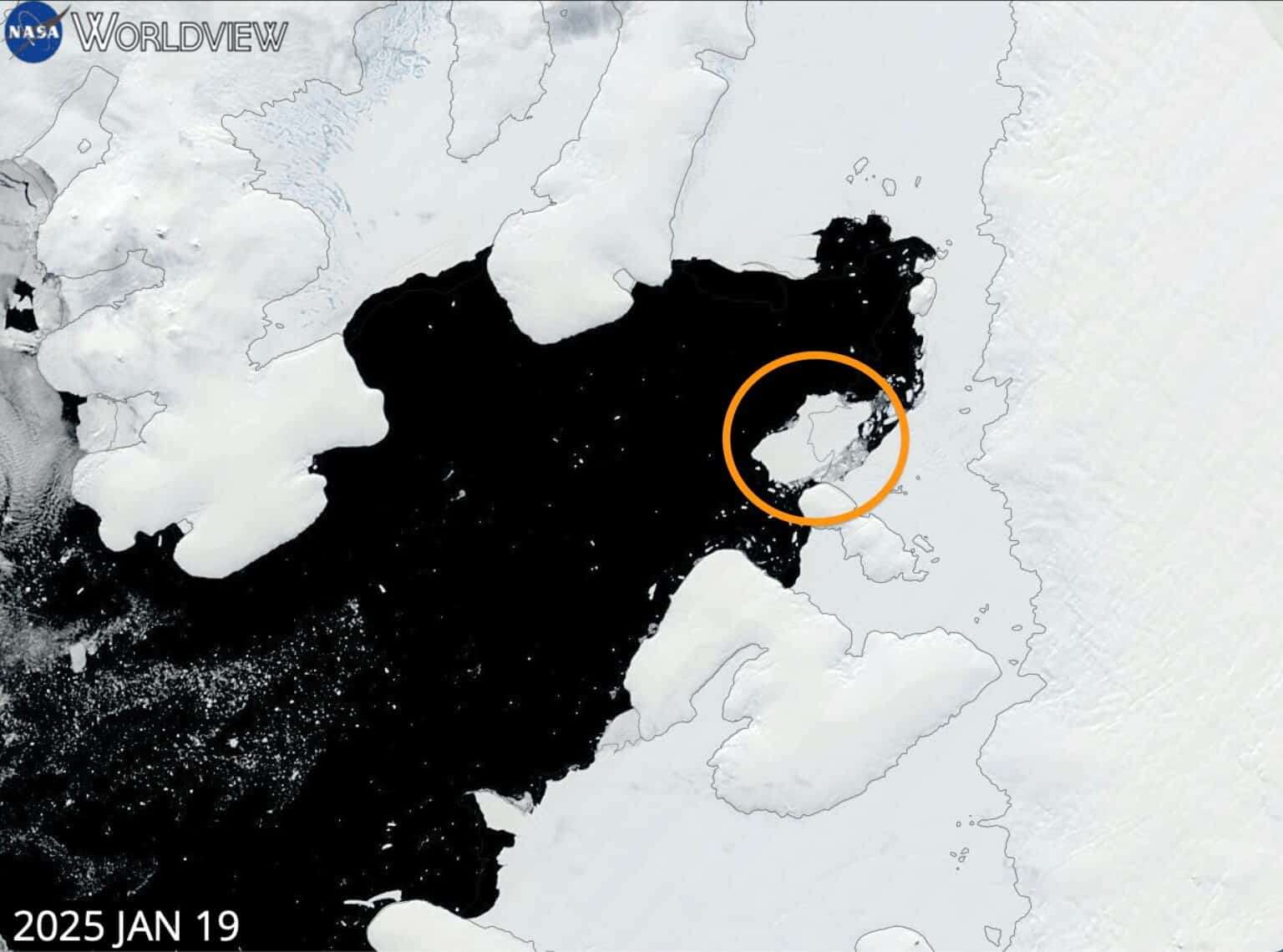
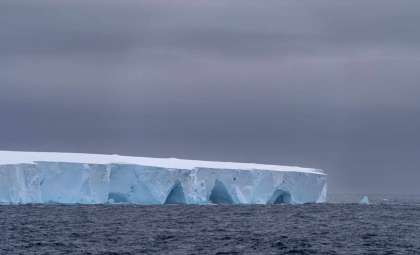
On January 19, 2025, the massive iceberg A-84, roughly comparable in size to Chicago, broke away from the George VI Ice Shelf close to the Bellingshausen Sea. Satellite surveillance documented the calving, which exposed a previously inaccessible section of the Antarctic seabed hidden beneath thick glacial ice for generations.
Originally tasked with examining the interface between the ice and ocean floor, an international team swiftly redirected their efforts to explore the freshly uncovered territory. Utilizing the Schmidt Ocean Institute’s research ship, the scientists deployed the remotely operated vehicle (ROV) named SuBastian to investigate the pristine marine environment up close.

Under the leadership of Dr. Patricia Esquete from University of Aveiro and Dr. Aleksandr Montelli from University College London, the team spent several days mapping the area, collecting samples of sediment, and gathering biological specimens. Due to the challenging conditions and thick ice cover, they navigated without GPS, relying entirely on acoustic positioning.
A Rich Biosphere Beneath the Ice Layer
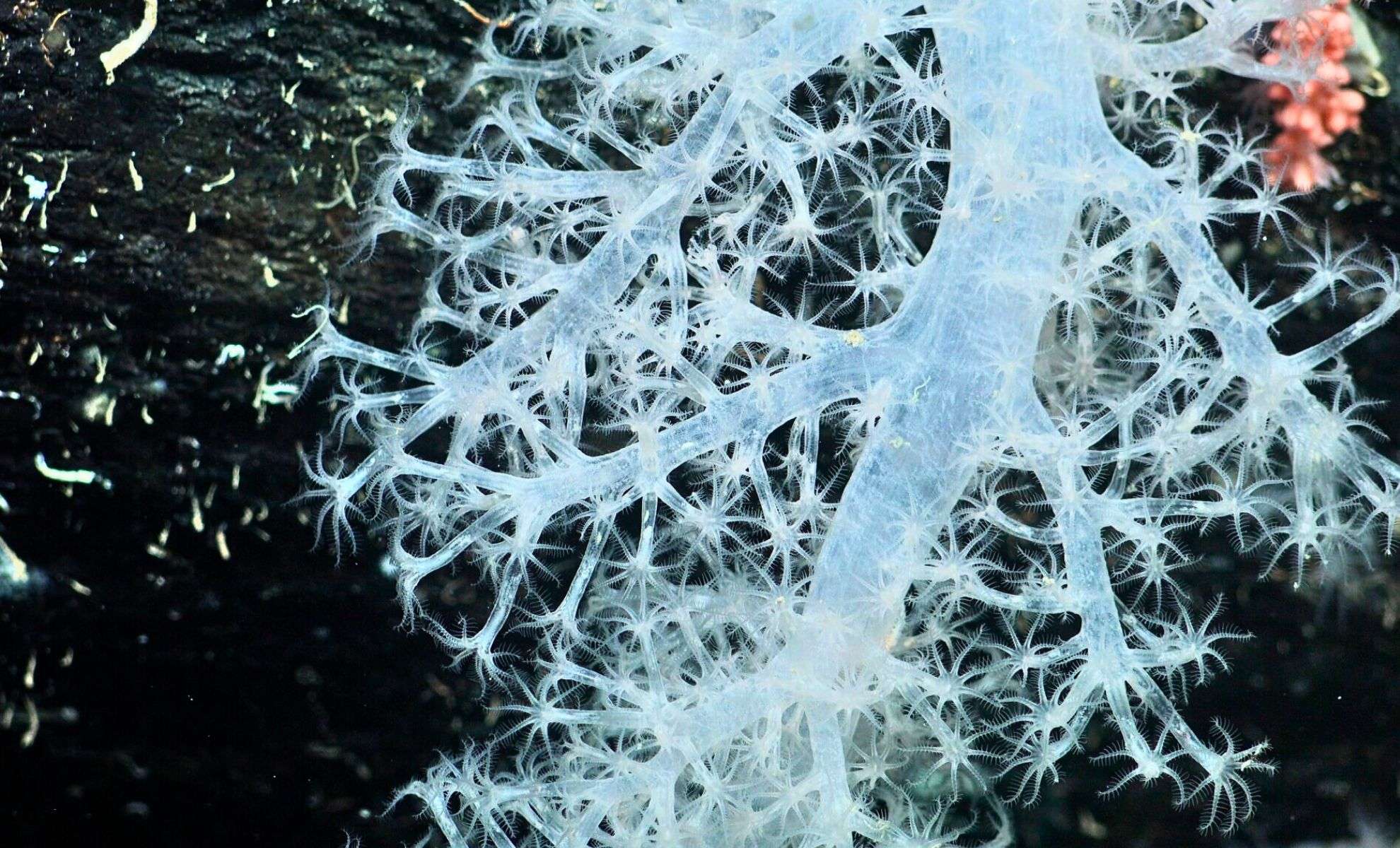
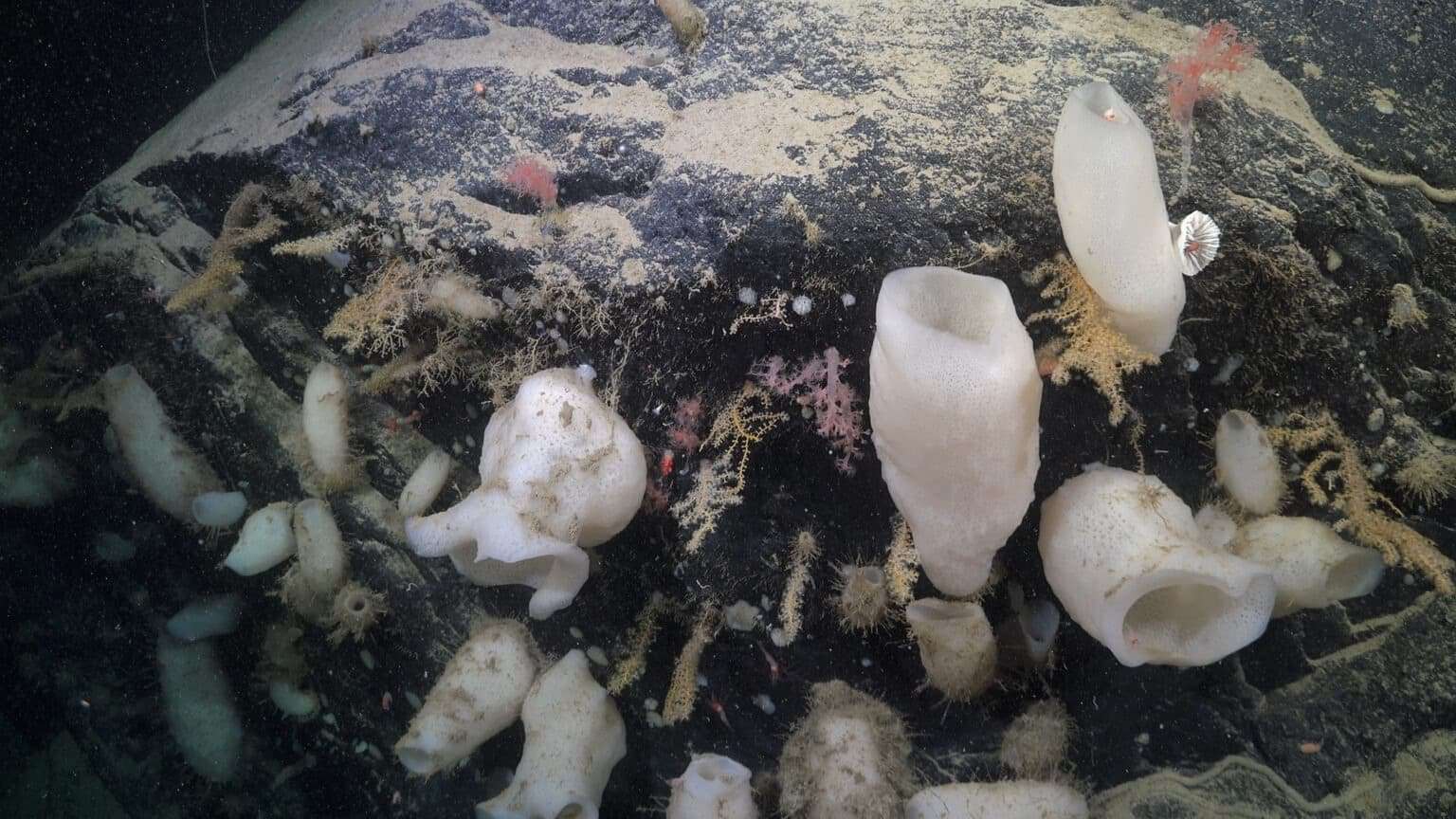
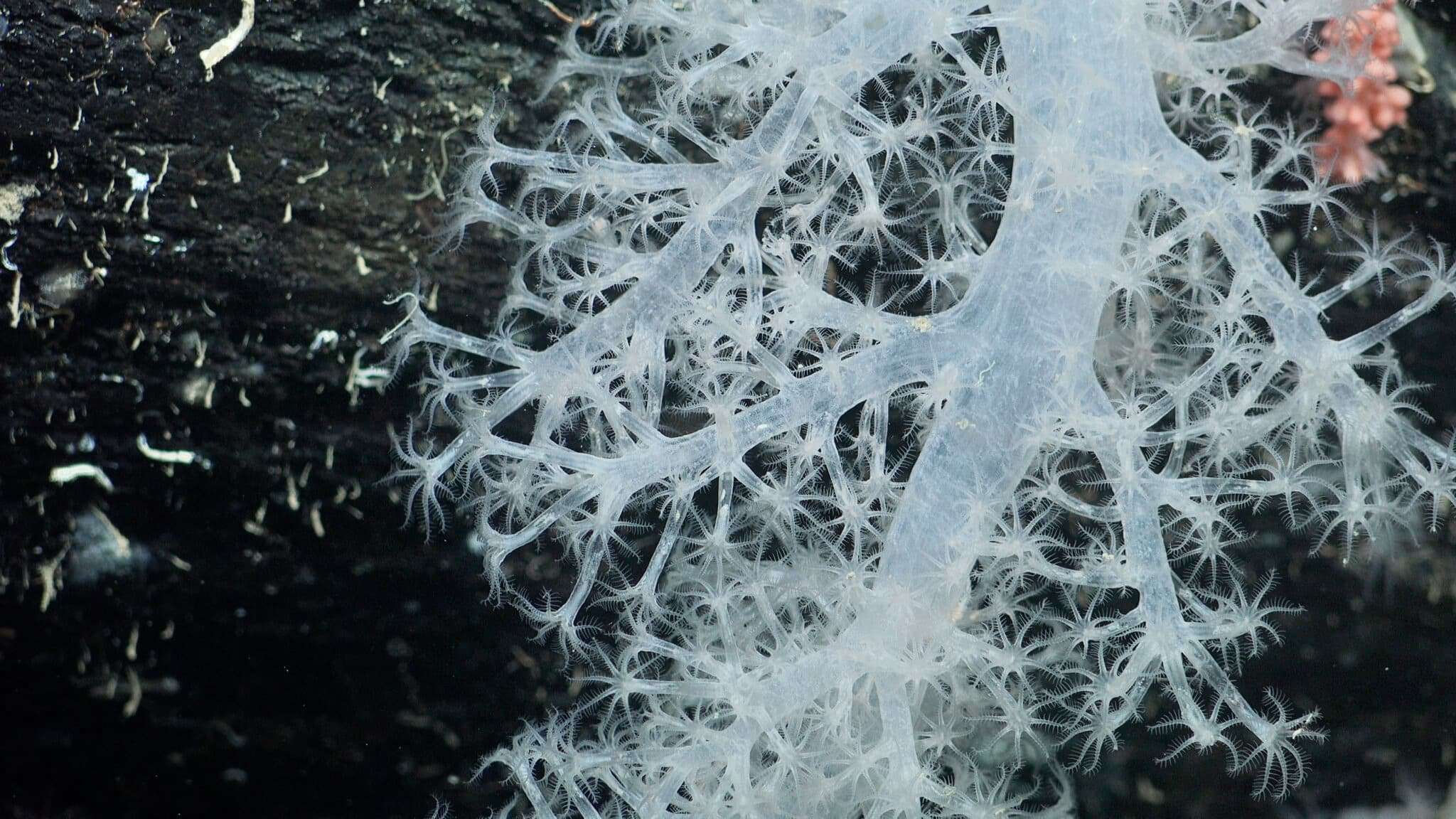
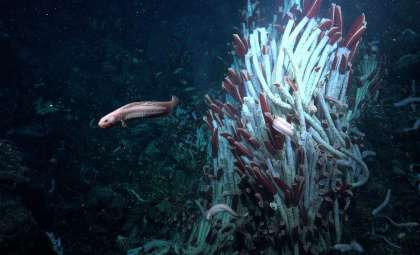
The ecosystem documented by SuBastian spans depths between 230 and 1,200 meters and hosts an impressive array of marine species including corals, sponges, hydroids, anemones, icefish, giant sea spiders, crabs, jellyfish, isopods, and octopuses. This thriving community features mature organisms of remarkable size.
One notably large sponge found at 230 meters depth appears to have grown for decades or possibly centuries, based on its growth rate, having lived isolated beneath approximately 500 feet of ice without access to sunlight or surface nutrients.
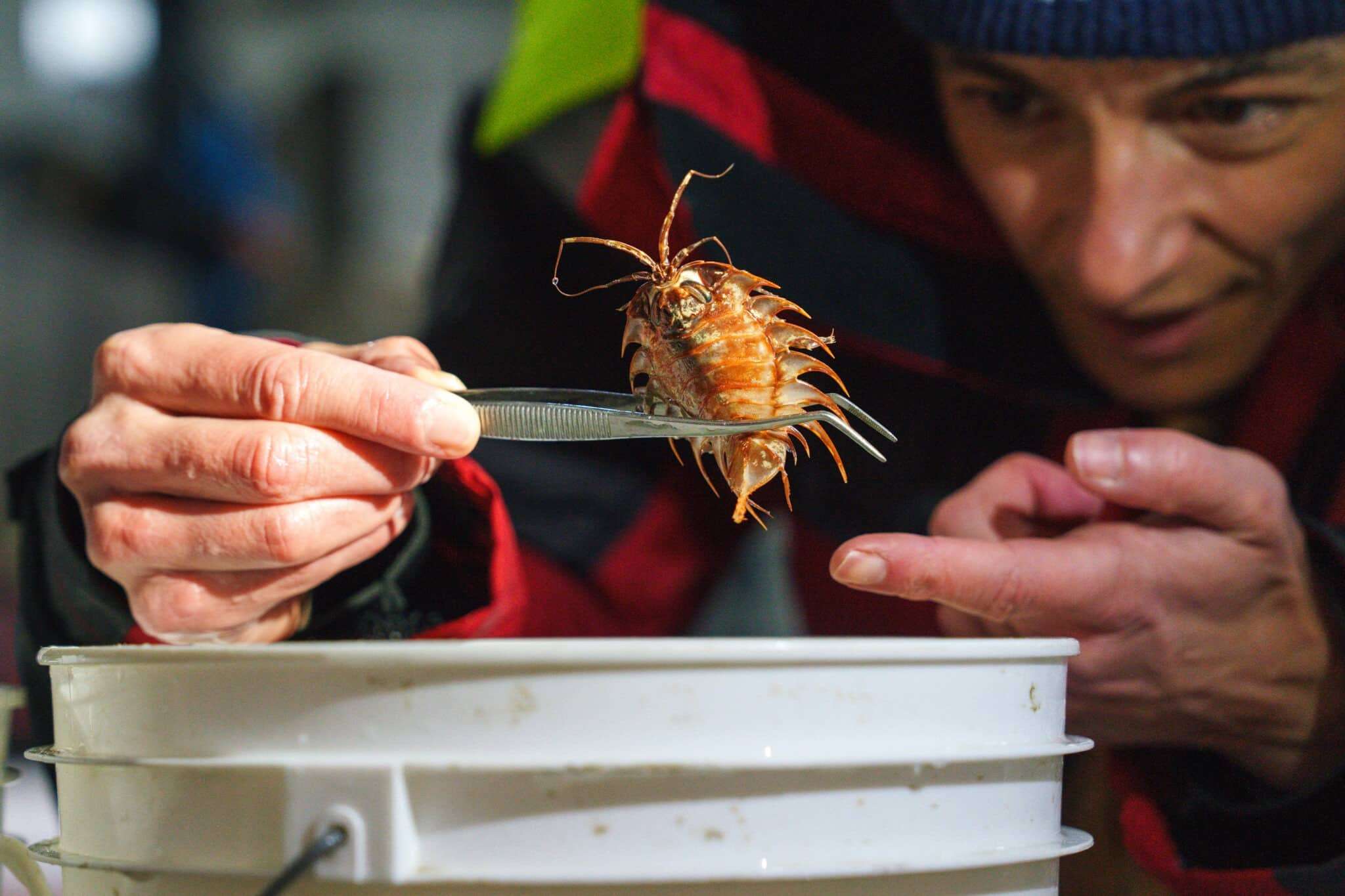
In addition to the evident biodiversity, the researchers suspect several collected creatures might represent previously unknown species. Among these is an unusual isopod specimen now undergoing detailed examination.
Survival Strategies in Remote, Frozen Depths
This revelation invites new inquiry into ecosystem sustainability in Antarctic deep-sea environments, particularly those isolated from surface nutrient inputs. Prevailing hypotheses suggest survival hinges on two main nutrient sources: organic debris gradually descending from surface waters and nutrients carried horizontally under the ice by ocean currents.
Dr. Esquete, the expedition’s co-lead, highlighted the enduring nature of these communities: "The large sizes of these animals indicate that these ecosystems have persisted for multiple decades, potentially centuries," she explained.
Co-researcher Dr. Montelli remarked this investigation is the first detailed, multidisciplinary study of a sub-ice shelf marine ecosystem, marking a significant advance in polar science. Despite logistical challenges of operating ROVs in such harsh, remote zones, the project has already delivered profound insights into the biology, geology, and chemistry of these secluded habitats.
Unique Insight Into an Elusive Ocean Realm
In other areas of the Bellingshausen Sea where ice shelves have previously receded, the research team has documented rapid recolonization by corals, jellyfish, and various marine organisms, indicating ecosystems reestablish themselves swiftly once exposed. These findings highlight the resilience and adaptability of polar marine life to environmental change.
The team expects that fully analyzing the biological samples and identifying the possibly new species uncovered will take several years. Their research deepens the understanding of how isolated life under floating glaciers thrives and how these fragile environments may cope with ongoing climate-driven changes.
- Categories:
- Science


0 comments
Sign in to Comment