
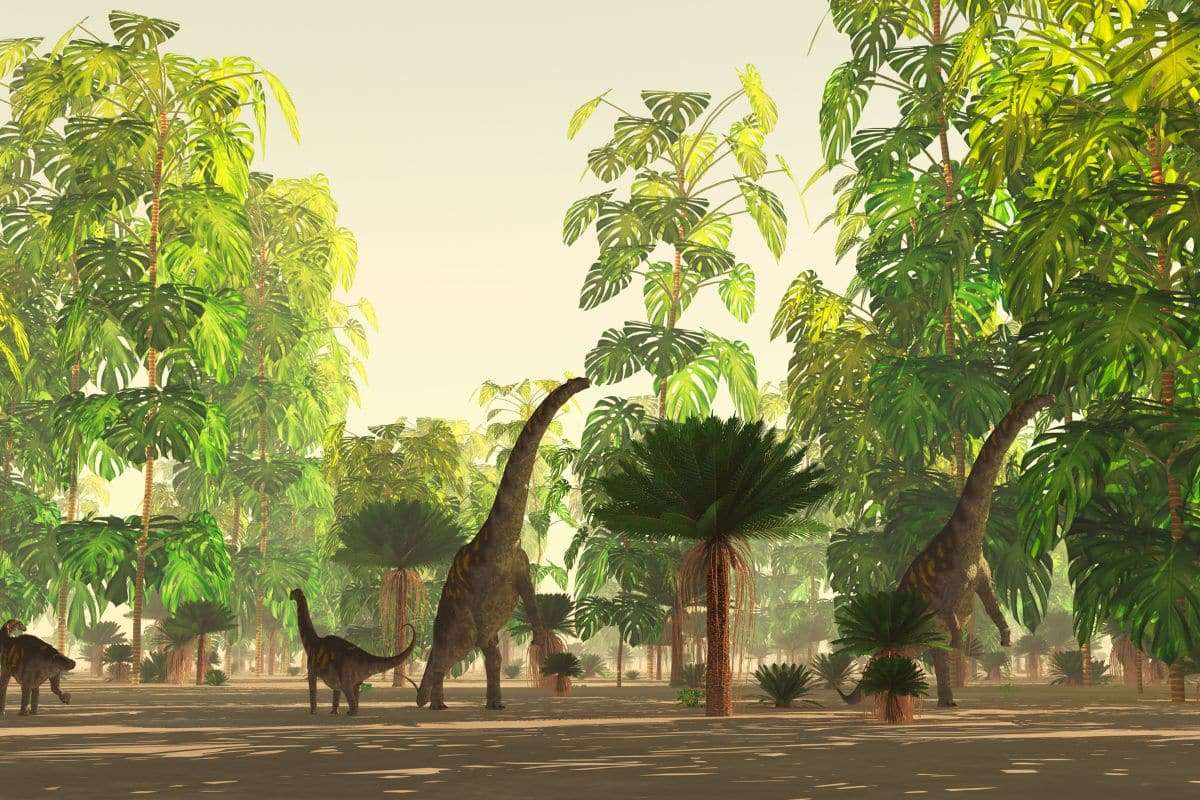
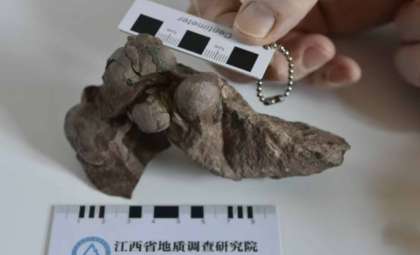
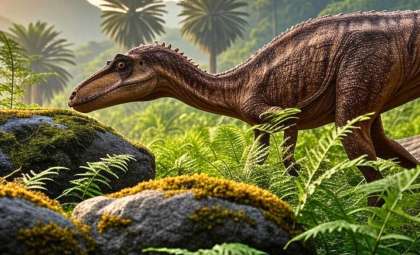
In northern Patagonia, scientists have identified a new species of titanosaur, a massive and seemingly gentle dinosaur that lived approximately 78 million years ago. The species, named Chadititan calvoi—which translates to “titan of the salt”—was uncovered within a rare fossil collection that offers valuable information about the region's ancient environment.
A Graceful Giant Thriving in Ancient Landscapes
Unearthed from Argentina’s Anacleto Formation, a site renowned for its abundance of fossils, Chadititan represents a significant addition to the dataset on South American dinosaurs from the late Cretaceous. This finding, supported by researchers affiliated with the National Geographic Society, enriches our comprehension of this prehistoric fauna.
Distinct from the bulky titanosaurs commonly associated with Patagonia, Chadititan exhibits a more slender frame. As part of the Rinconsaurian titanosaurs, this species features skeletal traits that reveal a comparatively lighter build than many of its relatives in this dinosaur group.

The fossil site is something of a paleontological treasure trove, hosting discoveries beyond dinosaurs. Among these finds are specimens from the Neocyclotidae family—tropical land snails—and the earliest confirmed appearance of Leptinaria, a tropical terrestrial air-breathing snail.
Remarkable Shellfish Dominance
An unexpected highlight of this site is the overwhelming majority of freshwater turtle fossils, which account for over 90% of all recovered remains. This proportion significantly surpasses typical findings from North American and European sites, where turtles seldom exceed 50% of the fossils.
Federico Agnolin, the study’s principal investigator, suggests that this exceptional concentration of turtle fossils provides compelling evidence of Patagonia’s unique Cretaceous ecosystems. The noticeable scarcity of crocodile fossils alongside abundant turtles indicates an ecological setting distinct from other landmasses.
This turtle predominance points to wetland habitats rich in water bodies where these reptiles flourished, supporting the idea that Chadititan lived in a diverse and hydrated environment.
Illuminating Patagonia’s Ancient World
The identification of Chadititan forms part of a wider effort to deepen our knowledge of Patagonia’s prehistoric ecosystems, particularly covering the final 15 million years of the Cretaceous.
Diego Pol, a National Geographic Explorer contributing to the project, highlighted that the assemblage of fossils—including dinosaurs, mollusks, fish, and turtles—helps reconstruct a vivid image of life in Patagonia before the mass extinction event that ended the dinosaurs’ reign.
Comparative studies between fossil sites in South America, North America, and Europe reveal notable differences in species diversity and environmental traits. The limited presence of certain predators combined with an abundance of aquatic organisms suggests Patagonia followed a distinct evolutionary path as the continents drifted apart.
This research, published in the Revista del Museo Argentino de Ciencias Naturales, underscores how ongoing fossil discoveries continue to transform our perspectives on prehistoric life.
- Categories:
- Science


0 comments
Sign in to Comment