
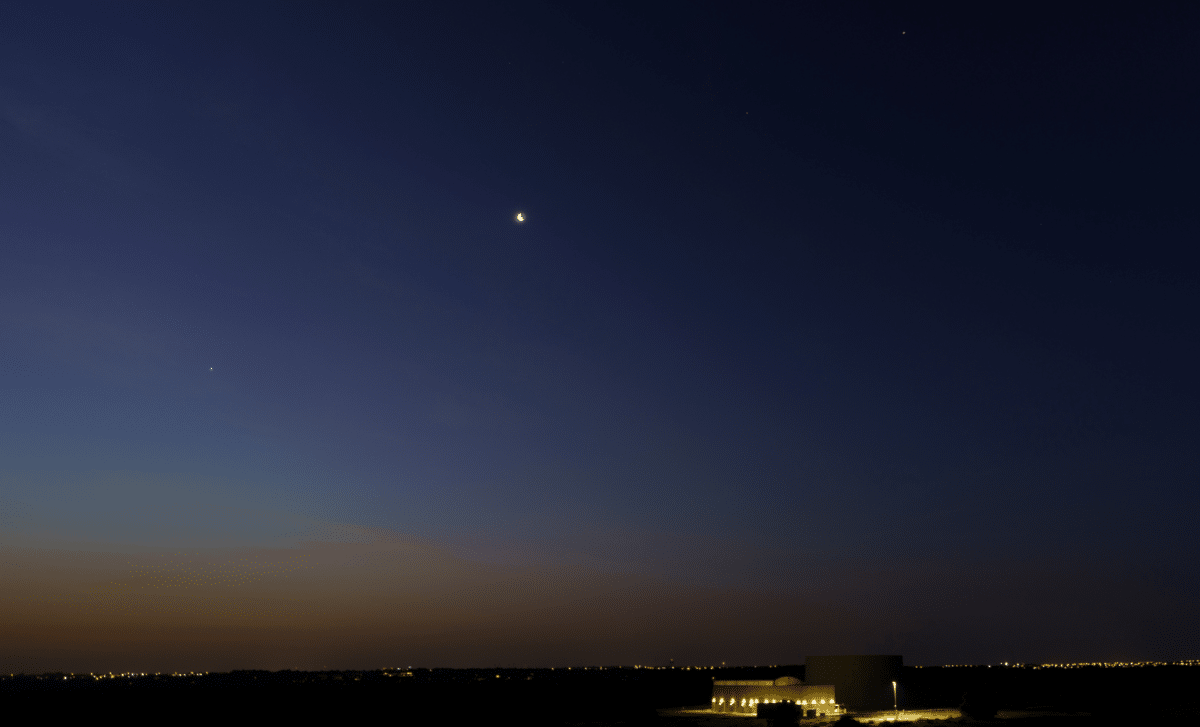
This June, astronomy enthusiasts have a unique opportunity to witness Mercury, the solar system's closest planet to the Sun, dazzling in the twilight sky. The BBC Sky at Night Magazine highlights this event as one of the finest occasions in recent times to glimpse Mercury before it fades back into the Sun’s glare, combining perfect timing, proximity, and an observational challenge.
Why Mercury Remains Elusive in Our Sky
Mercury is notoriously challenging to spot due to its tight orbit around the Sun. Unlike the brighter planets Venus and Jupiter, it never ventures far from solar brightness, limiting visibility to short moments at dawn or dusk. In June 2026, Mercury hits its greatest eastern elongation on June 15, reaching 24.5 degrees separation from the Sun. Although this appears promising, the planet’s low angle near the horizon paired with bright evening twilight makes timing essential for observers aiming to catch it before it vanishes into the fading light.
Optimal Viewing Dates and Locations for Mercury
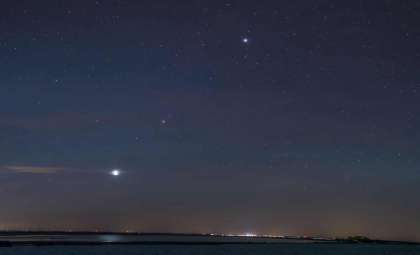
Observers should begin looking for Mercury starting from June 7, 2026, roughly 40 minutes after sunset. At this point, Mercury shines around magnitude +0.0 and remains visible for nearly 80 minutes before setting. It will be located in the northwest sky, within the Gemini constellation, lying about 13.6 degrees away from Venus. Alongside bright planets like Jupiter, Venus serves as a helpful beacon to find Mercury’s faint glow. Using telescopes with an aperture of at least 75mm can reveal Mercury’s subtle phases and surface brightness variations for a richer viewing experience.

Influence of the June Solstice on Mercury’s Visibility
As the June solstice nears, twilight extends, making it harder for the night sky to fully darken. Mercury remains low in the sky due to its orbit and the tilt of the ecliptic even as it distances itself from the Sun. While Mercury’s brightness dims only slightly, spotting it against the lingering twilight becomes more challenging. Dedicated skywatchers and photographers will need persistence and precise timing to successfully observe the fleeting planet.
Leveraging Planetary Conjunctions for Easy Spotting
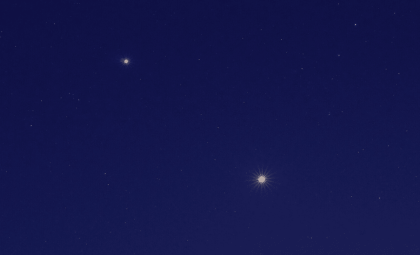
The conjunction of Venus and Jupiter on June 9 2026 offers a convenient celestial reference near Mercury’s location. This bright planetary duo, at their closest approach, serves as an excellent starting point in the evening sky to locate Mercury nearby. By aligning these visible markers, viewers can better navigate towards the elusive Mercury. According to BBC Sky at Night Magazine, thoughtful observation following these patterns greatly boosts the chances of successful sighting.
Photography and Observation Advice
Capturing Mercury on camera demands the right timing, clear viewing spots, and proper gear. Observers are encouraged to select locations with low light pollution and unobstructed western horizons. A telescope with a minimum aperture of 75mm is ideal to detect Mercury’s surface details and changes in phase; binoculars may suffice when used alongside guidance from Venus and Jupiter. Monitoring Mercury over several evenings offers a rewarding experience, revealing slight shifts in brightness and movement for amateur astronomers.
- Categories:
- News



0 comments
Sign in to Comment