
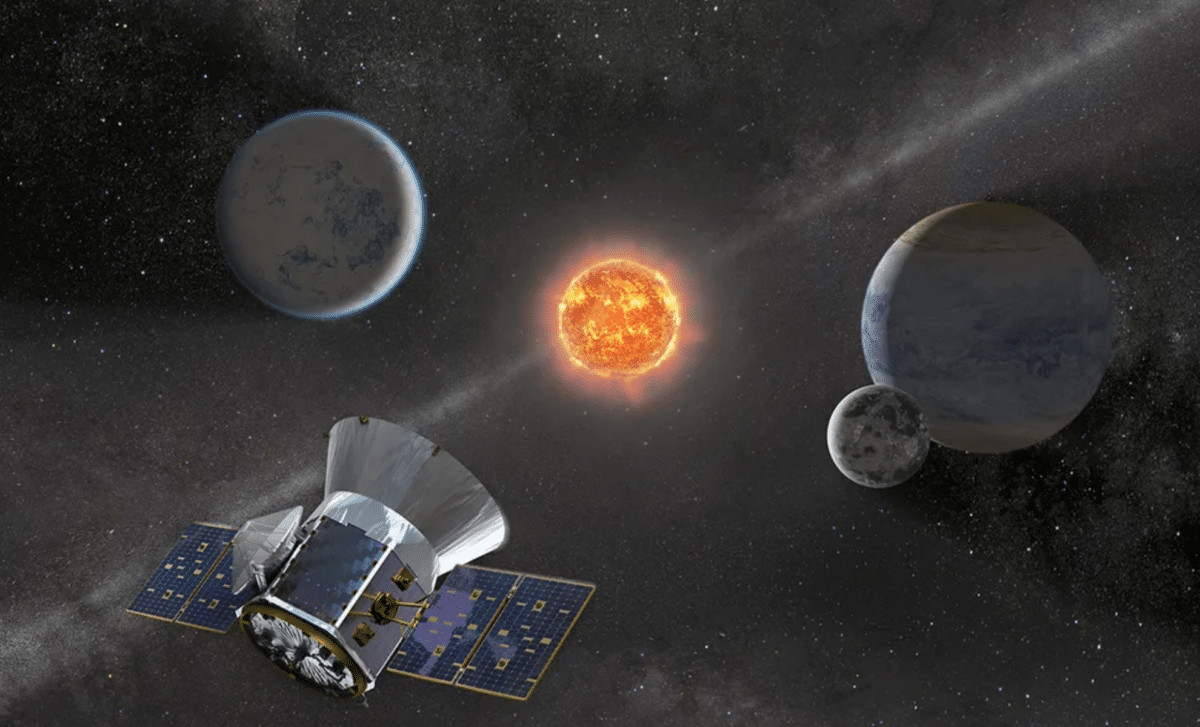
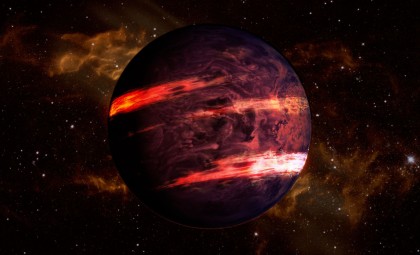
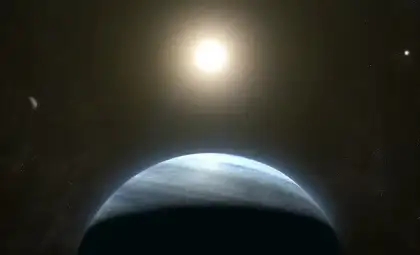
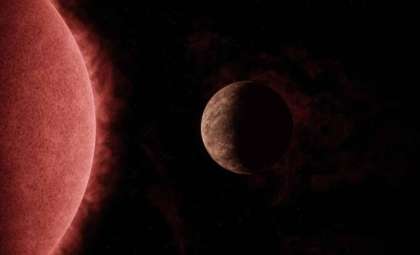
A team of astronomers has identified an extraordinary exoplanet: a super-Jupiter with nearly five times the mass of Jupiter, orbiting the metal-rich star TIC-65910228, located 864 light-years from Earth. This finding was made possible by NASA’s Transiting Exoplanet Survey Satellite (TESS) and detailed in a paper shared on the arXiv pre-print server. The planet, designated TIC-65910228 b, offers new opportunities to deepen our understanding of giant gas planets and their formation.
Initial Detection and Confirmatory Observations
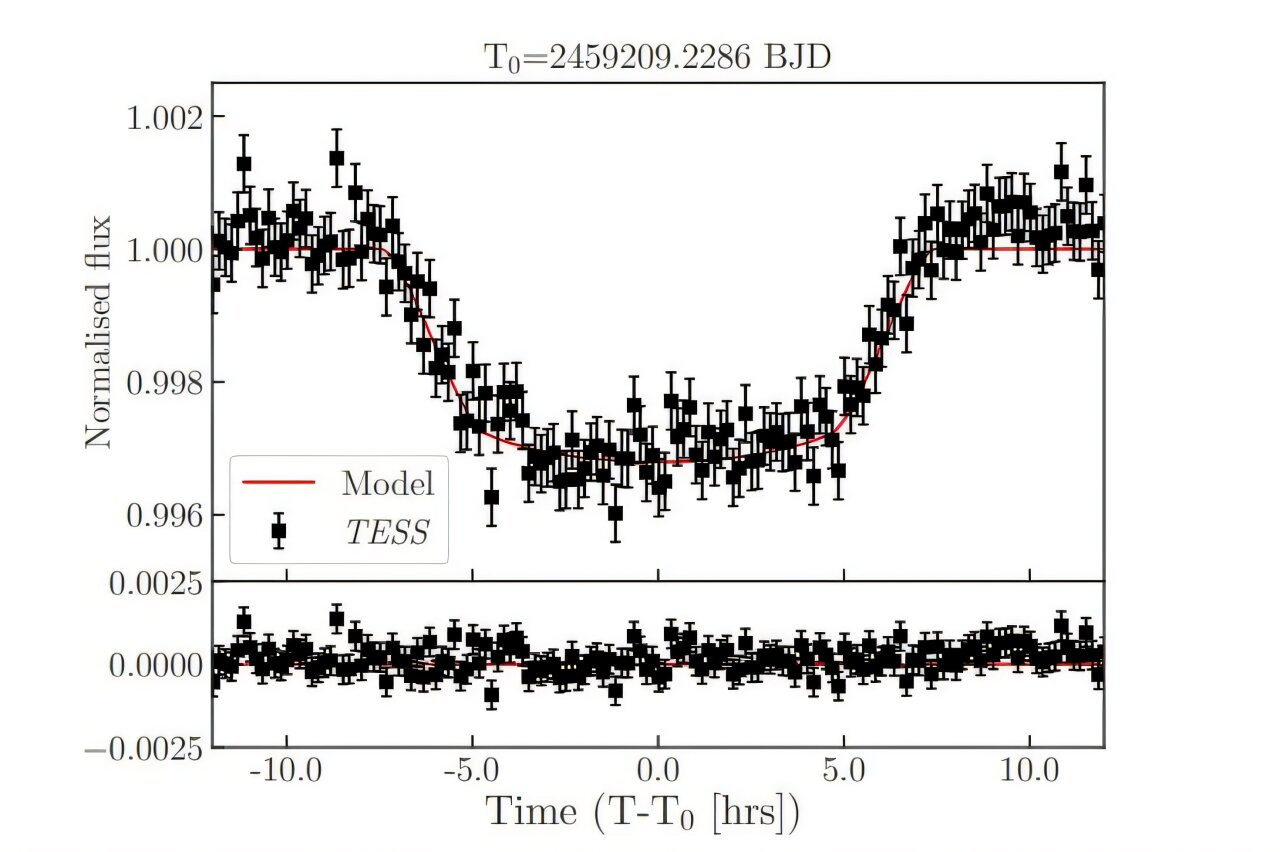
The exoplanet TIC-65910228 b was initially spotted during a transit captured in TESS’s sector 33, marking a key step for exoplanet hunters. This detection led to a series of follow-up observations combining photometric and spectroscopic techniques to verify the planet’s properties. As detailed in the publication,
“TIC-65910228 b / NGTS-38 b was first detected from a single TESS transit in sector 33. We then initiated a campaign of spectroscopic and photometric follow-up that yielded an additional transit egress from NGTS and a full radial velocity solution from HARPS and CORALIE.”
Add Cosmo Herald as a Preferred Source

This thorough approach was vital to accurately determine the planet’s dimensions, mass, and orbital characteristics, confirming TIC-65910228 b as a compelling subject for further study.
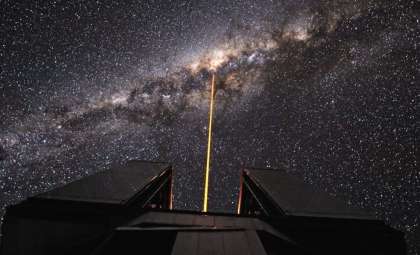
The coordinated effort utilized several advanced instruments, including the Next Generation Transit Survey (NGTS) alongside high-precision spectrometers HARPS and CORALIE. These tools allowed scientists to analyze stellar radial velocities, unlocking crucial insights about the planet’s mass and its orbital configuration. Ultimately, the data established that TIC-65910228 b is a giant exoplanet with a radius just larger than Jupiter’s, but weighing nearly five times as much, painting a detailed picture of this colossal world.
Planetary Characteristics and Orbital Details
The arXiv study provides a detailed description of TIC-65910228 b, revealing it as a classic super-Jupiter—significantly larger and more massive than Jupiter. The planet’s radius measures 1.08 times that of Jupiter, while its mass approaches 4.78 Jupiter masses. With a density near 4.69 g/cm³, TIC-65910228 b stands out due to its substantial bulk and composition. It resides 0.7 astronomical units from its star, completing an orbit every 180.53 days. This orbital period classifies it as a warm Jupiter, warmer than cooler gas giants but not as hot as the extreme close-in hot Jupiters.
The planet’s equilibrium temperature hovers around 458 K, making it moderately warm—enough to sustain diverse atmospheric dynamics. Given its size and warmth, the atmospheric makeup of TIC-65910228 b is likely to be unique compared to smaller gas giants within our solar system.
Prospects for Atmospheric Study and Future Exploration
While the exact atmospheric constituents remain uncertain, researchers propose the presence of molecular nitrogen species, typically rare in the atmospheres of hotter, closer-in giants. This insight points to intriguing research potential. The study highlights that TIC-65910228 b occupies a sweet spot in temperature and location, ideal for studying exoplanet atmospheres beyond the extremes. That said, current technology does not yet permit detailed atmospheric transmission spectroscopy for this planet.
Nevertheless, TIC-65910228 b ranks among the top candidates for upcoming atmospheric analyses using next-generation space observatories capable of probing its atmospheric layers more thoroughly. Furthermore, the study notes, “Given that many transiting warm Jupiter systems have already been found to host smaller inner companions, the authors of the paper expect to find more planets around TIC-65910228.” This suggests ongoing surveys might uncover additional bodies within this intriguing system.
A Rare Long-Period Transiting Exoplanet
Notably, TIC-65910228 b has a long orbital period of 180.53 days, positioning it among the rare transiting planets TESS has identified with orbits exceeding 100 days—only 13 such planets have been found to date. This extended orbit makes TIC-65910228 b particularly valuable for understanding the diversity of exoplanetary systems.
The combination of its orbital period, considerable size, and position points to a potentially distinct planetary architecture compared to many known exoplanet systems. This uniqueness empowers astronomers to explore new questions about planetary formation and orbital evolution around sun-like stars.
Potential for Moons and Rings
The research also highlights the possibility that TIC-65910228 b may possess moons or ring systems, thanks to its wide orbital separation creating stable conditions for such companions. The paper states, “TIC-65910228 b is one of the most likely transiting planets to host stable exomoon or ring systems,” making it a compelling target for future detailed observations with advanced telescopes.
Exomoons, in particular, represent an exciting frontier in the quest for extraterrestrial life. The discovery of stable moons around giant exoplanets like TIC-65910228 b could identify new habitable niches beyond Earth, underscoring the importance of continued investigation into this planetary system. Detecting these companions would also provide deeper insights into the formation and dynamics of planetary systems beyond our own.
- Categories:
- Astronomy






0 comments
Sign in to Comment