
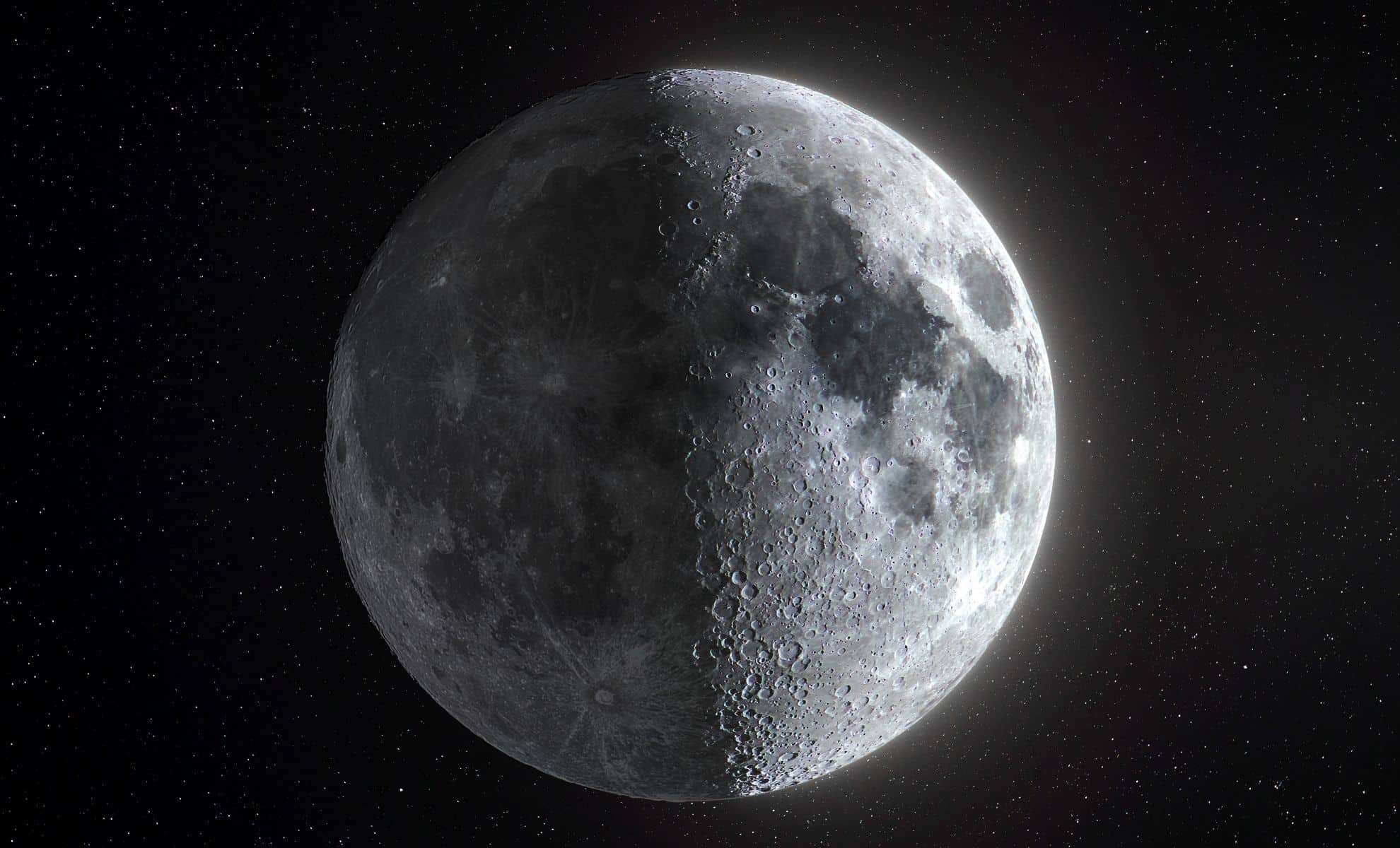
Tonight offers an amazing celestial display as the waxing gibbous moon moves close to one of the night sky’s brightest stars, Antares. This prominent red supergiant will be seen near the moon after sunset on Sunday, August 3, and remain visible throughout the evening.
When and Where to Watch
To witness this cosmic pairing, direct your gaze roughly 20 degrees above the southern horizon. The moon, illuminated at about 69%, will shine prominently, while Antares will appear just a degree to the moon’s upper left—a distance roughly equal to the width of a fingertip held at arm’s length.
As night progresses, the bright red star will seem to glide along the northern edge of the lunar disk before setting off to the right.

Occultation Visible in the South
Observers in the Southern Hemisphere can witness an extraordinary event: the moon temporarily obscuring Antares. In countries such as Argentina, Chile, the Falkland Islands, and Antarctica, around 8:08 p.m. ET on August 3 (0008 GMT on August 4), the moon will pass between Earth and the star, briefly blocking it from view.
This rare occultation is observable only from select southern locations, making it a special occasion for those positioned just right.
Discovering Antares: A Stellar Giant
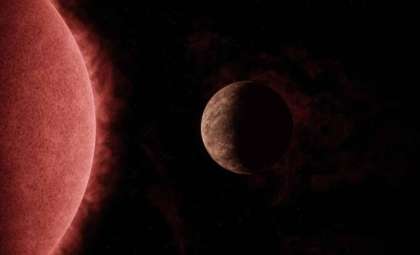
Antares, situated about 600 light-years away in the constellation Scorpius, stands as a massive red supergiant star, among the largest visible from Earth. This star's diameter is approximately 700 times larger than our Sun’s, making it an awe-inspiring giant in the night sky.
Nearing the end of its cosmic life cycle, Antares has used up its hydrogen fuel and now fuses heavier elements deep within its core to stave off collapse. Eventually, it will explode as a spectacular supernova, a blast visible from Earth, according to EarthSky.org.
Though that dramatic finale may happen millions of years from now, the current glow of Antares serves as a vivid reminder of the universe’s ever-shifting wonders.
Tips for Observers and Photographers
Skywatchers eager to photograph the moon and Antares can enhance their shots using binoculars or telescopes to capture finer details. Specialized equipment geared toward lunar surface observation can add dramatic texture to your images. For those interested in astrophotography, consulting guides on DSLR cameras and suitable lenses can help you achieve crisp, stellar pictures.
This conjunction of a bright waxing gibbous moon and Antares offers a captivating chance to admire the celestial beauty overhead, whether with unaided eyes or through photographic gear.
- Categories:
- News






0 comments
Sign in to Comment