
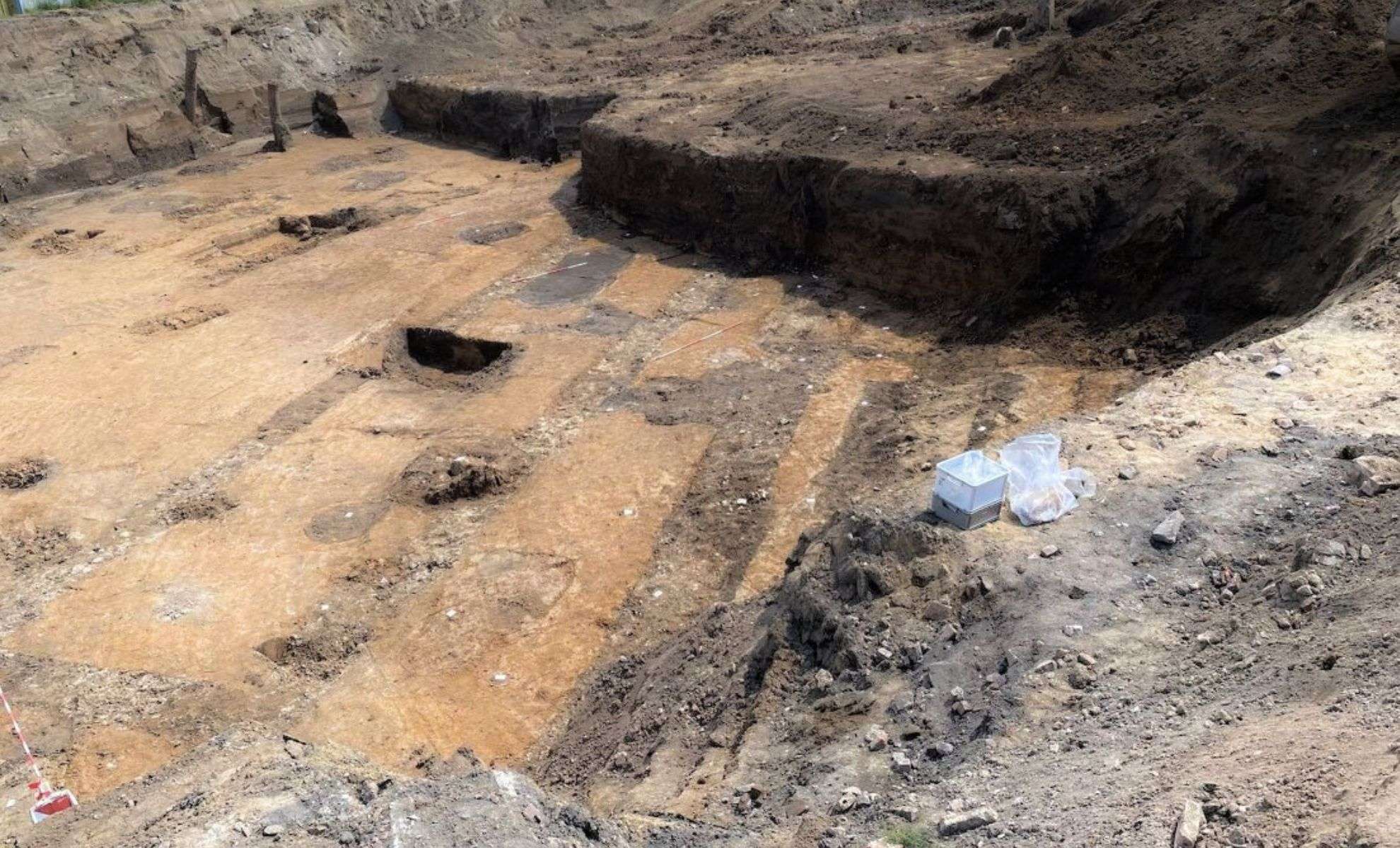
Near the Waal River in Nijmegen, Netherlands, archaeologists have uncovered a monumental Roman edifice that is reshaping the historical understanding of Ulpia Noviomagus, the ancient Roman settlement. This recent find suggests that the city’s architectural and administrative footprint was more expansive than previously recognized.
Impressive Roman Edifice Unearthed Along the Waal
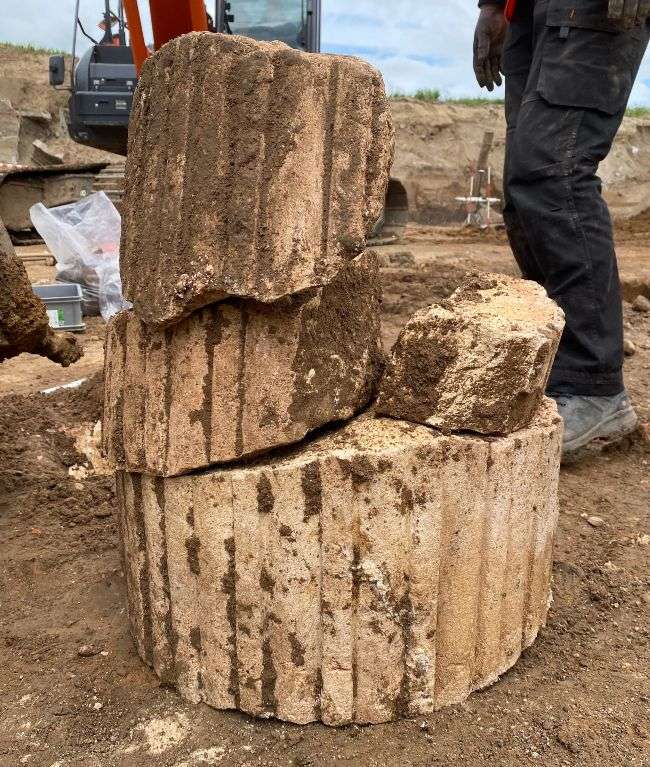
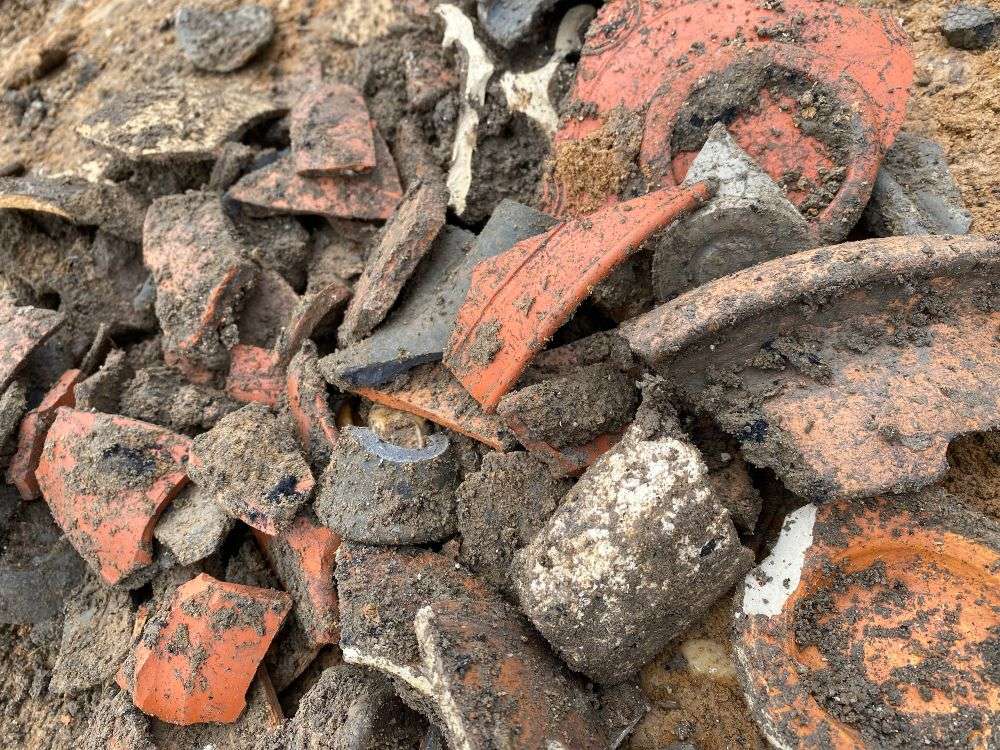
In the Waalkwartier West district, currently undergoing urban renewal with new housing projects, excavations have revealed an extensive Roman structure measuring approximately 30 by 35 meters. Dating back to the 2nd and 3rd centuries AD, this building features double-walled construction and a sizable courtyard likely encircled by a colonnade. The discovery of limestone column fragments supports the idea that it was a significant public or governmental building, perhaps a marketplace or administrative hub.
Located mere meters from the riverbank, the scale and position of this complex were unexpected. Earlier research had not suggested the presence of such a grand structure in this riverside area, thereby challenging former conceptions of the limits and layout of Ulpia Noviomagus. Experts speculate it played a vital role in the city’s economic and strategic activities.

Reevaluating the Extent of Ulpia Noviomagus
The northern and eastern boundaries of Ulpia Noviomagus, recognized as the Netherlands' oldest Roman city, have long been considered well-mapped. However, this new revelation expands the known cityscape far closer to the Waal River than previously assumed. The monumental find suggests that urban development extended to the riverside, revising long-standing theories about the city’s perimeter.
"This discovery reveals the city’s footprint was broader than formerly believed," noted one archaeologist from the excavation team. The significance lies not only in the structure’s size but also in understanding how the riverfront factored into Roman trade and administration.
Balancing Urban Growth With Heritage Protection
Discovered amid the expansive Waalkwartier West housing and infrastructure development, this archaeological site is caught between preservation efforts and construction demands. The project includes new residences, parking solutions, and other facilities, with archaeologists racing to document the rich historical layers uncovered.
While parts of the archaeological remains will be conserved, sections located beneath planned residential towers are slated for removal, posing difficult choices. The emergence of such an important Roman site in the path of modern development underscores the ongoing conflict between fostering urban expansion and safeguarding cultural heritage.
The zone housing the newly found Roman building is designated for high-rise residences, meaning the physical remains cannot be maintained in situ. Experts are meticulously recording and studying the site to preserve its historical information even though some original features will be lost. This case exemplifies challenges common in growing cities where protecting the past must be weighed against future urban needs.
- Categories:
- News











0 comments
Sign in to Comment