
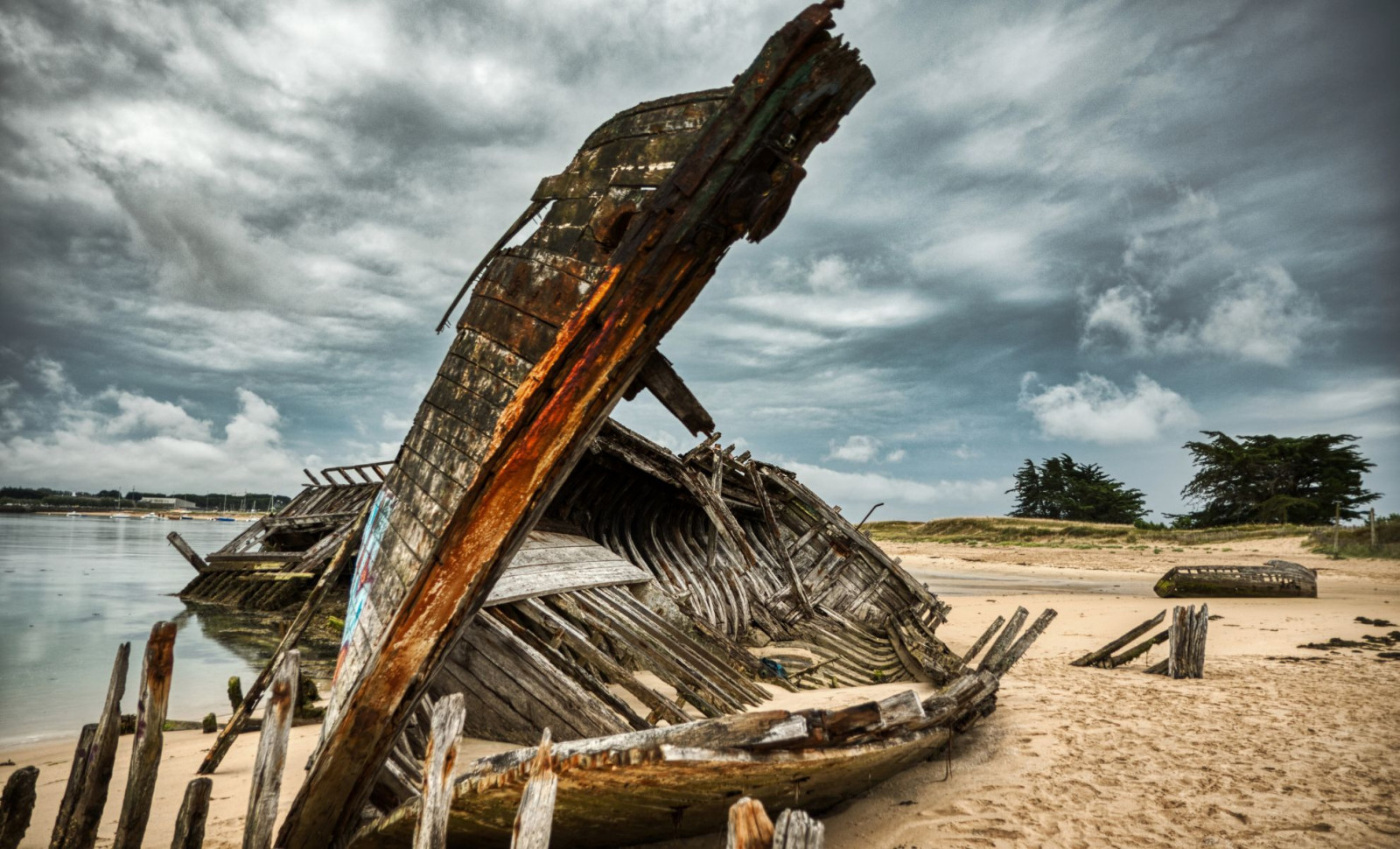
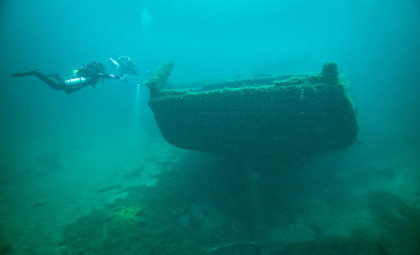
Nearly four centuries after sinking beneath the sands of southern England, the long-lost hull of the Dutch merchant ship Fame, which went down in 1631, has resurfaced at Studland Beach.
Although some fragments of the vessel had surfaced in earlier digs, the main hull remained undiscovered until recent storms revealed critical pieces. This breakthrough completes one of the most pivotal chapters in England’s naval archaeology.
The Forgotten Vessel
The Fame, a Dutch merchant ship exceeding 130 feet in length, primarily ferried salt from the Caribbean to Europe. Its journey ended abruptly in 1631 when it ran aground on a sandbank in the Swash Channel near England’s southern coastline.

Tom Cousins, a maritime archaeologist at Bournemouth University, described in a university release how the ship’s anchor dragged it apart, forcing the 45 crew members to flee. Following the wreck, locals scavenged the site, and the vessel vanished beneath the waves, its location a mystery for hundreds of years.
“It’s really exciting to find this piece of historical ship,” he said. “During our excavation of the Swash Channel wreck in 2013, there were pieces of the ship missing and we do believe a section of the hull has now been revealed at Studland.”
The Unexpected Emergence of the Hull
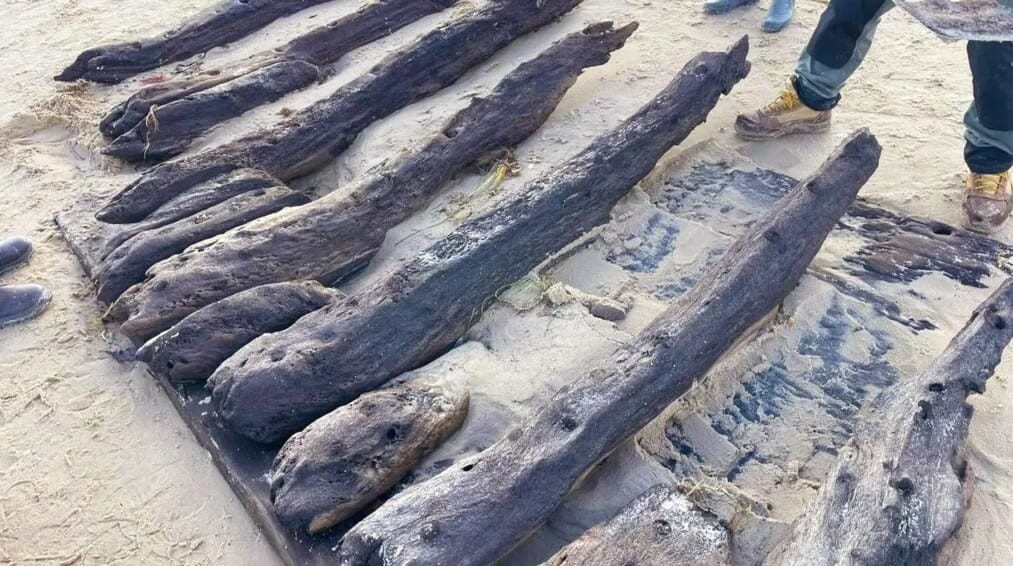
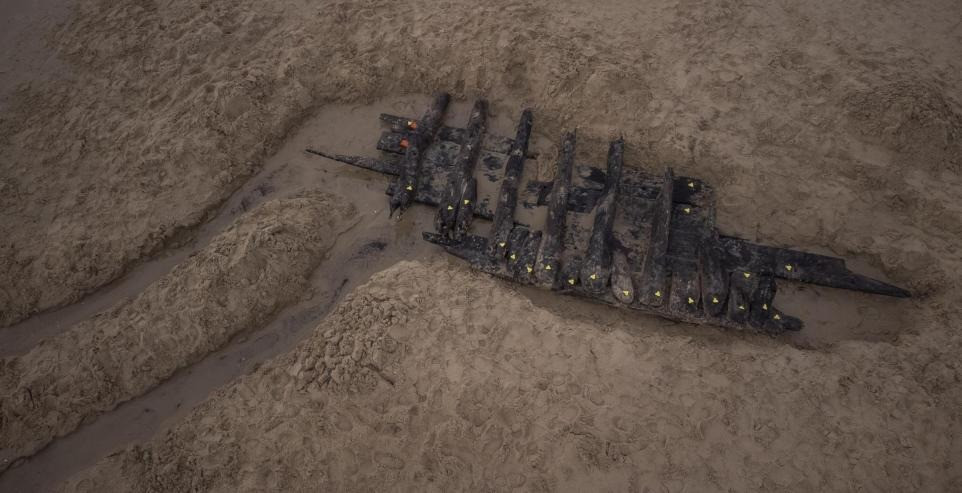
A recent severe storm in southern England has uncovered the elusive section of the shipwreck at Studland Beach. The fragments measure roughly 20 feet in length and 6 feet in width, with the timber secured by wooden treenails, showing exceptional preservation in the hull’s outer planks.
Tracey Churcher, General Manager of the National Trust in Purbeck, hailed the discovery as “a genuine treasure” for historians and archaeologists. She highlighted the extraordinary condition of the hull despite centuries of exposure.
“The wooden tree nails are still in place and holding after 400 years—what a testament to the craftsmanship at the time.”
Preserving a Priceless Historic Site
The Fame shipwreck is legally protected under the Protection of Wrecks Act 1973, which conserves historic wrecks along England’s shores. Initially found in the 1990s, a detailed excavation was led by Bournemouth University’s team at the Swash Channel in 2013. Hefin Meara, maritime archaeologist with Historic England, noted that the Fame is part of a rare class of pre-1700 shipwrecks, making the find even more exceptional.
The newly retrieved hull will undergo rigorous examination and conservation. Researchers aim to apply dendrochronology techniques to the wood, which should clarify the timbers’ origins and potentially link them to other parts of the Fame.
“We can’t say for certain that these fragments come from that wreck site, but it’s an intriguing possibility.”
These analyses will ascertain if the recovered material belongs to the original Fame wreck or is from a different vessel entirely.
- Categories:
- News





0 comments
Sign in to Comment