
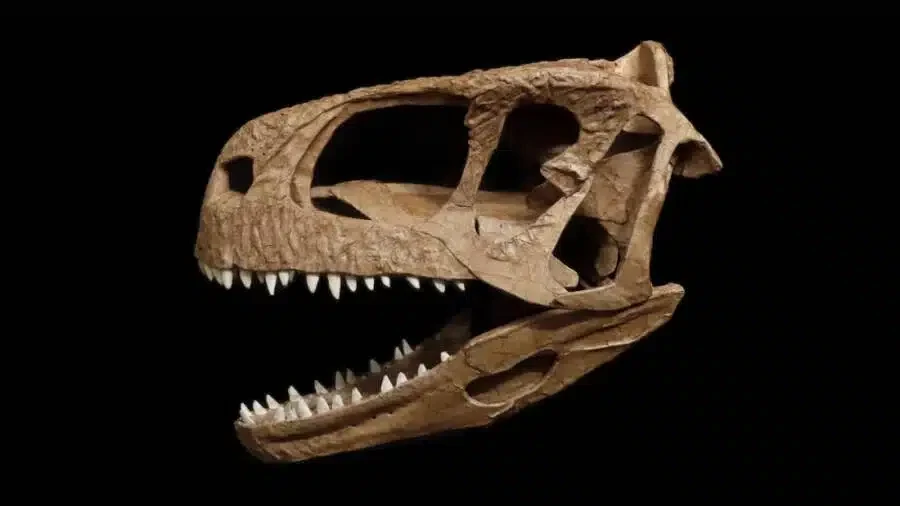
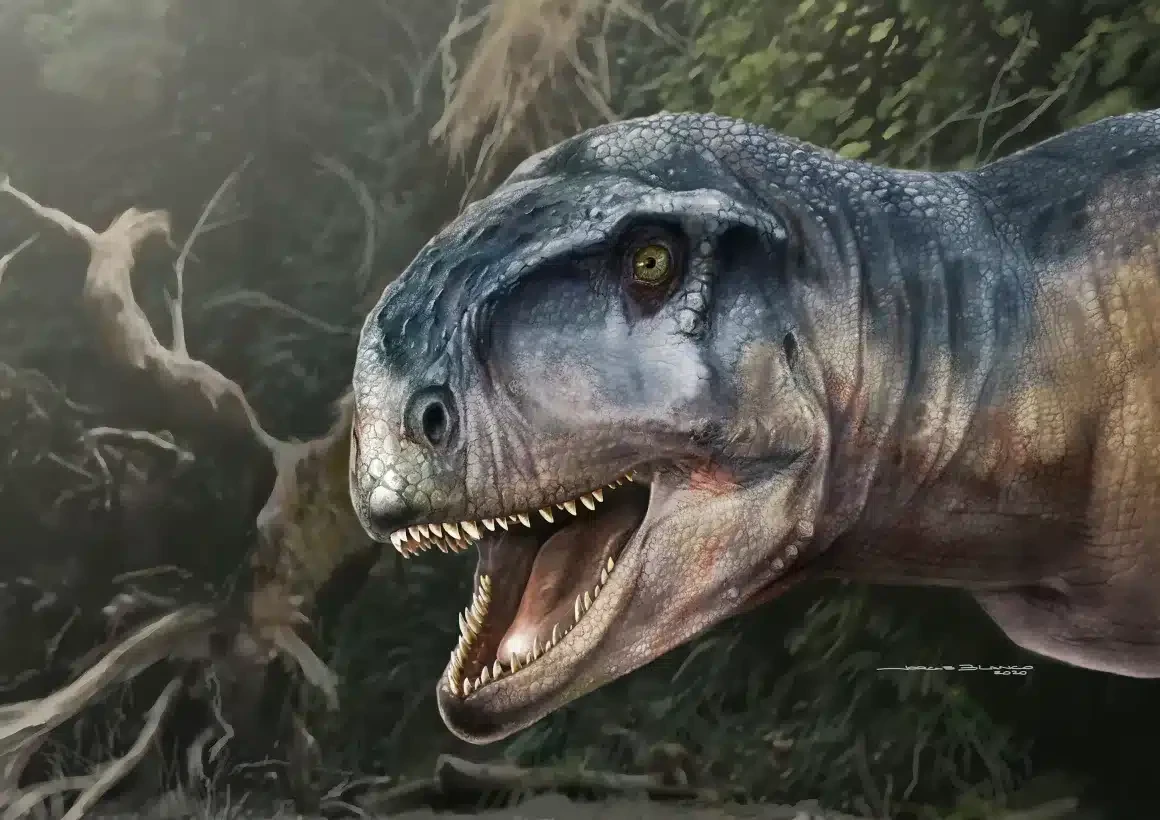
In northern Patagonia’s ancient sediments, paleontologists have identified a previously unknown carnivorous dinosaur species distinguished by its formidable look and distinct auditory adaptations. This roughly 16-foot-long creature, named Llukalkan aliocranianus, roamed the Earth about 80 million years ago, featuring a compact, horned skull unlike any seen in related dinosaurs.
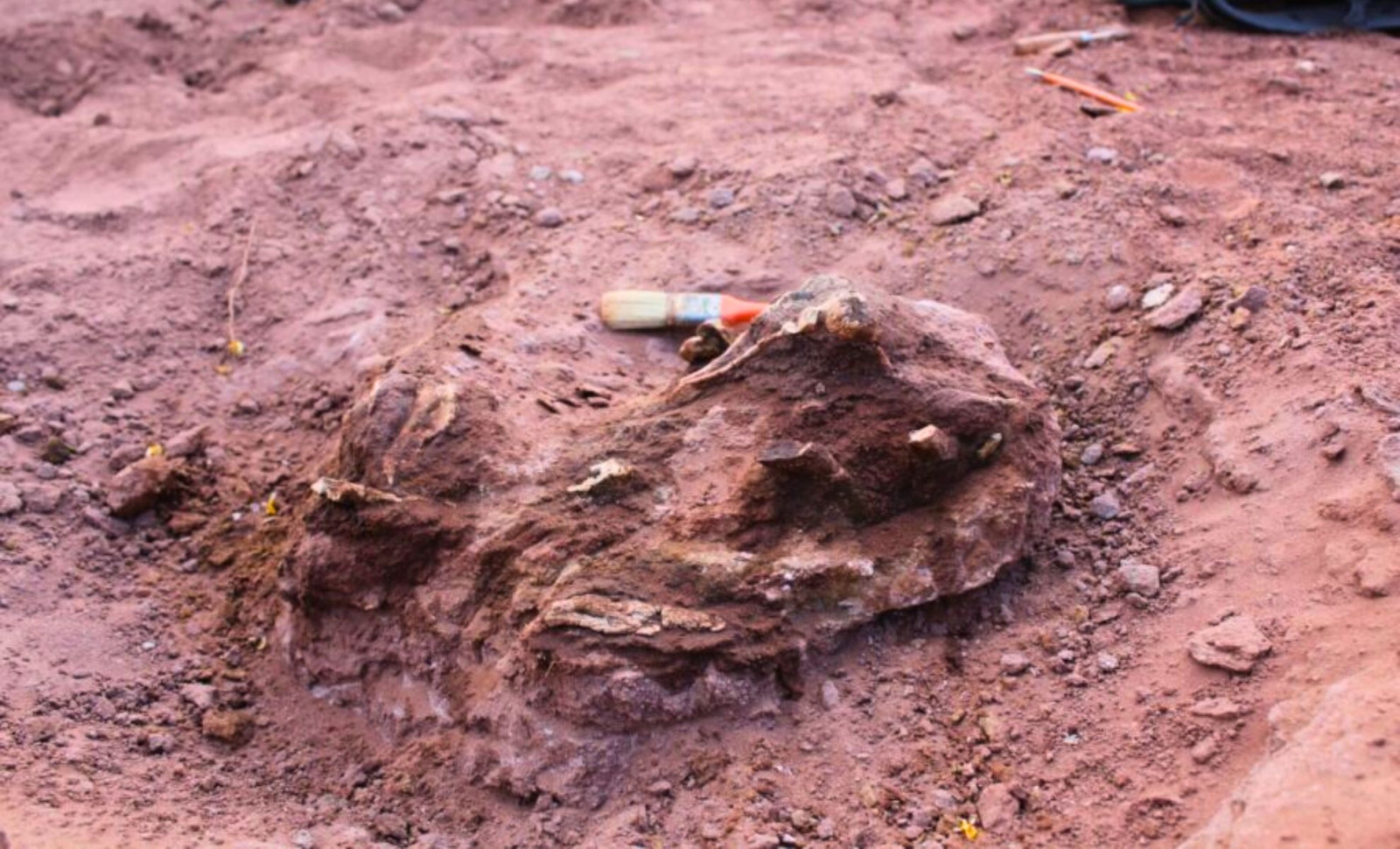
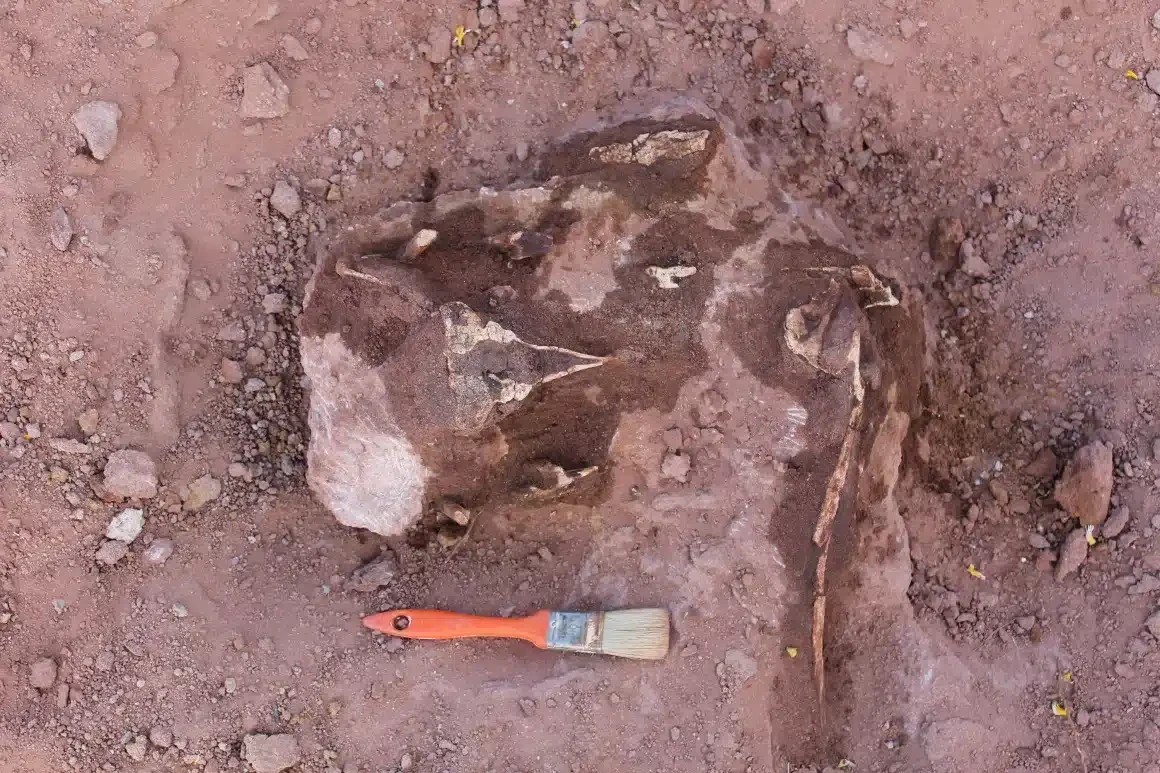
The fossil was uncovered near Rincón de los Sauces in Argentina’s Bajo de la Carpa Formation and is detailed in the latest issue of the Journal of Vertebrate Paleontology. While excavating for a herbivorous sauropod, scientists unexpectedly came across a nearly complete and remarkably preserved skull that had remained intact through the ages.
Distinctive Headgear and Enhanced Hearing
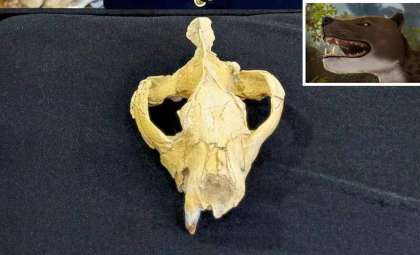
The hallmark of Llukalkan aliocranianus is its uniquely structured skull, which is short and adorned with irregular bumps, ridges, and small horns. According to Dr. Federico Gianechini of the National University of San Luis and lead study author, the dinosaur’s auditory region contained a complex network of cavities unlike those seen in other abelisaurids.

The study published in the Journal of Vertebrate Paleontology suggests these structures could have enhanced the dinosaur's hearing to a level comparable with that of modern crocodilians.
“This, together with its keen sense of smell, would have given great capabilities as a predator.” Gianechini explained. The specific pocket of air-filled sinuses near the middle ear could have allowed Llukalkan to detect a wider range of frequencies.
Though sharing similarities in size and predatory habits with Tyrannosaurus rex, this dinosaur’s distinctive cranial features have prompted fresh discussions about predator diversity and ecological specialization in South America during the Late Cretaceous.
Unexpected Discovery in a Fossil-Rich Region
The skull was not the target of a focused search but rather a fortuitous find during an excavation centered on sauropod fossils. Just prior to concluding their fieldwork, the researchers noticed distinctive bone fragments emerging—a pristine skull not crushed or damaged after millions of years was a fortunate discovery. Originally recovered in 2015, it took several years of analysis before the team's findings were formally published.
The Bajo de la Carpa Formation, though known for numerous finds, yielded this particularly well-preserved abelisaurid skull, which is considered extraordinary. As Gianechini remarked, the site continues to shed light on the Cretaceous ecosystems of Patagonia, which exhibited faunal connections to present-day Africa, India, and Antarctica.
Insights into Behavior Through Skull Design
Beyond its enhanced sensory traits, this dinosaur’s horned skull may also provide clues about its social interactions and behavior. Speaking to Gizmodo, Gianechini proposed that the horns could have served purposes beyond defense or ornamentation.
“Some say that the shape of the head and jaws could have helped to bite the prey, while the horns could have been used to bump into each other,” he noted.
The horns may have functioned in combat or as display features, similar to horned mammals present today.
“These dinosaurs were still trying out new evolutionary pathways and rapidly diversifying right before they died out completely,” said Ariel Mendez, a paleontologist from the Patagonian Institute of Geology and Paleontology.
- Categories:
- News


0 comments
Sign in to Comment