
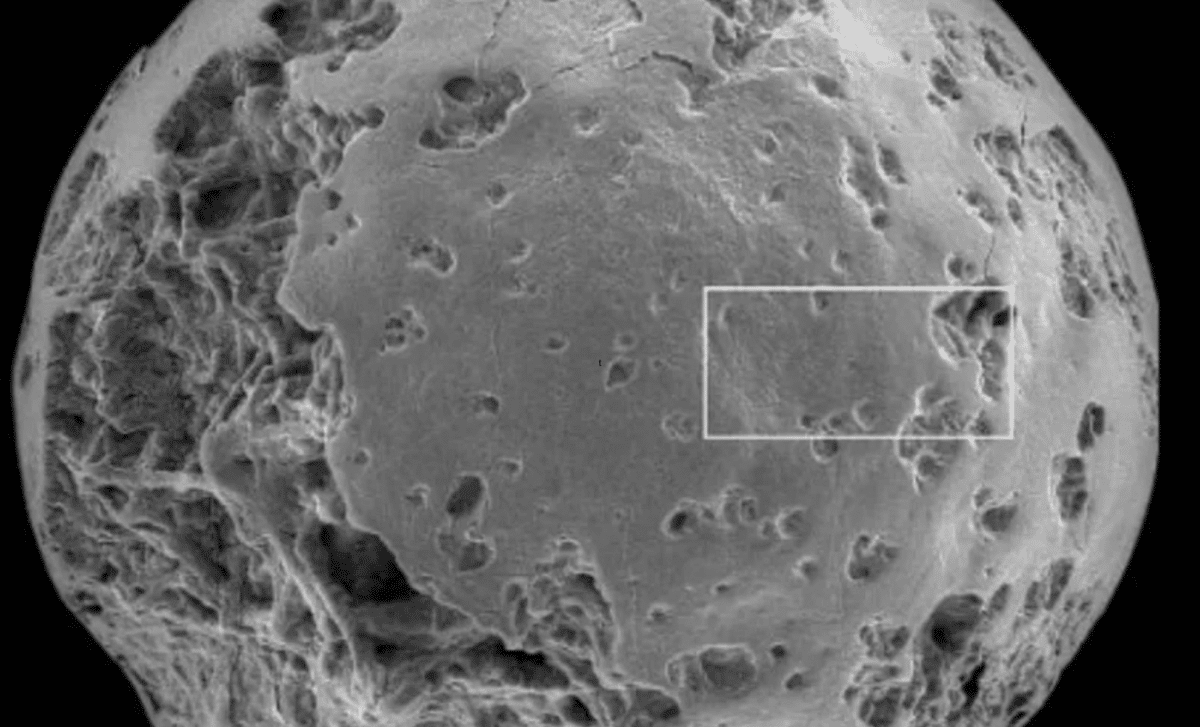
Scientists specializing in ancient life have intensely studied fossils from the Cambrian era, a pivotal period when diverse animal groups first appeared. Yet, the preservation of fragile, soft-stage embryos in fossils is exceptionally uncommon.
The identification of seven fossilized embryos within China’s Kuanchuanpu Formation represents a major advancement in understanding early biological development. This set of embryos belongs to the Ecdysozoa clade—which includes creatures such as spiders, insects, and crustaceans—though their precise classification remains unclear.
Uncovering New Species from Ancient Remains
These fossils correspond to two novel species: Saccus xixiangensis and Saccus necopinus. Both species are members of Ecdysozoa, a group encompassing well-known animals like worms, insects, and crustaceans.

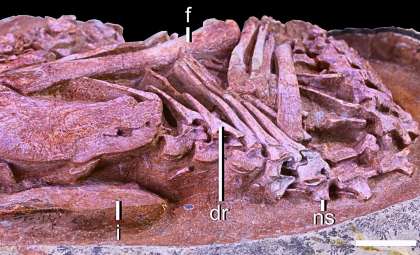
Published in Palaeogeography, Palaeoclimatology, Palaeoecology by Mingjin Liu of Chang’an University, the study describes how these ancient organisms had a distinctive body plan resembling a limb-free sack without an evident mouth or anus. Remarkably, the embryos are encased in smooth, mineralized capsules, showcasing their exoskeletons in vivid, three-dimensional preservation.
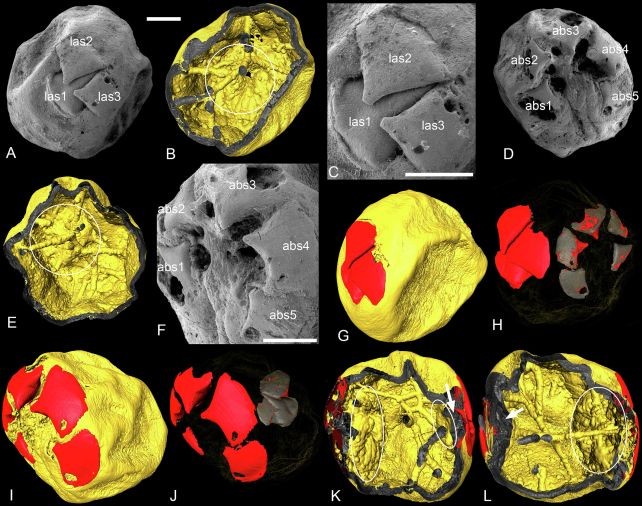
Though minuscule, these embryos display an intricate structural layout. Their exoskeleton plates are radially arranged near the head, transitioning to bilateral symmetry towards the rear, indicating a mirrored body plan similar to many current animal species. This bilateral symmetry is a fundamental evolutionary attribute, hinting at its emergence far earlier in the history of life.
Why Fossilized Embryos Are Crucial to Science
Embryonic fossils—especially of soft-bodied beings—are exceedingly rare. Unlike the frequently fossilized hard exoskeletons of Cambrian species such as crabs or insects, soft tissues usually degrade rapidly and leave no trace.
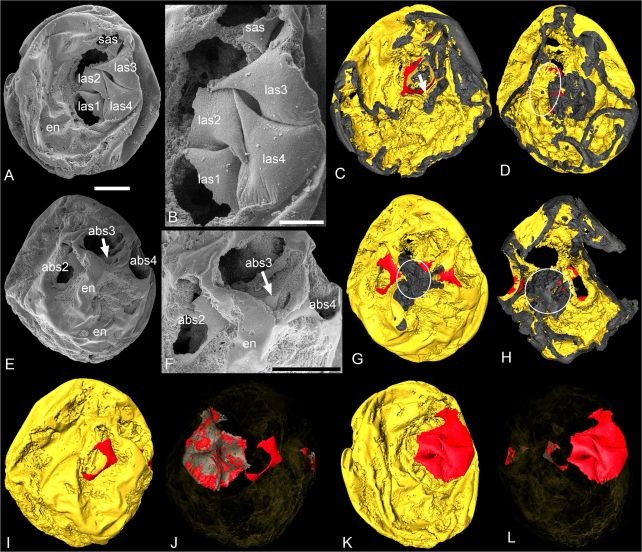
Researchers suggest that these embryos underwent fossilization through a rare process in which soft tissues decayed and were mineralized by sediment in a marine setting. This exceptional preservation allowed minute anatomical features to be retained.
These embryos are especially valuable as they capture a developmental stage before the formation of mouths or feeding structures. The lack of openings or appendages such as cilia supports the interpretation that these fossils represent embryos dependent on yolk reserves, indicated by a prominent hollow region at the center.
Connections Between Ancient Species and Today’s Animals
The fossils also reveal intriguing ties between these early life forms and their evolutionary descendants. The team proposes that Saccus xixiangensis and Saccus necopinus might be closely related to the ancient Saccorhytus coronarius, discovered in the same sedimentary layer. Both share a bag-like shape, absence of limbs and cilia, and bilateral symmetry.
The report notes this similarity suggests Saccus species may have evolved into or shared ancestry with creatures like Saccorhytus.
This evolutionary connection prompts fresh insights into animal origins. If these species are related, they could represent some of the earliest examples of a body plan that laid the groundwork for many animal lineages seen today.
- Categories:
- Science



0 comments
Sign in to Comment