
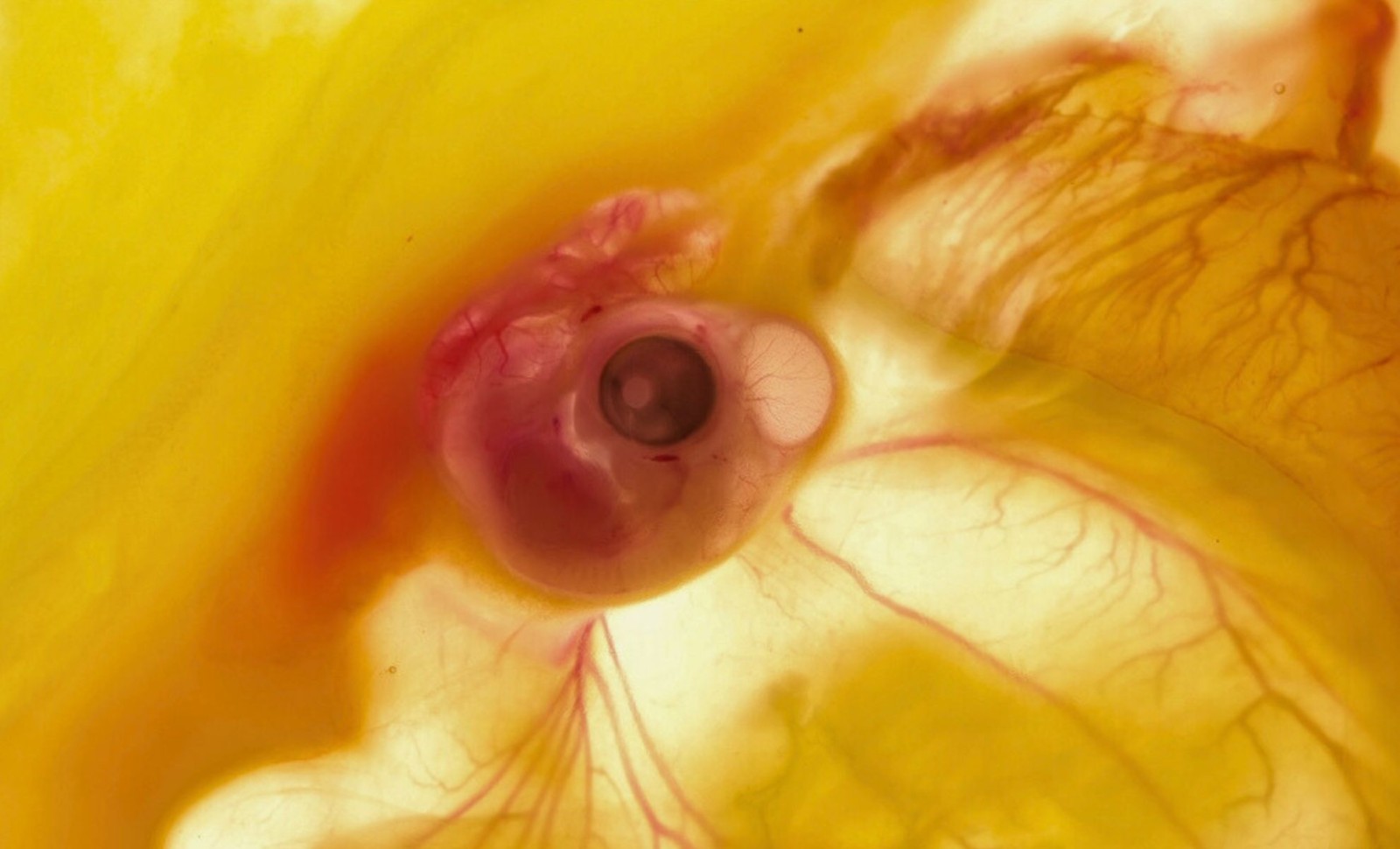
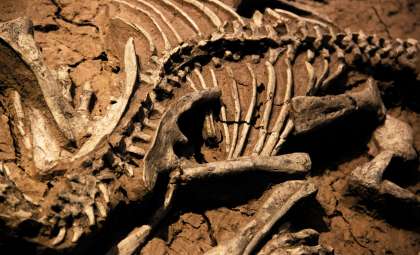
A fossilized dinosaur embryo uncovered within an ancient egg in southern China is altering current views on how birds evolved. Preserved for over 70 million years and forgotten in a museum drawer for more than ten years, this embryo—dubbed Baby Yingliang—stands out as one of the most intact non-avian dinosaur embryos found to date.
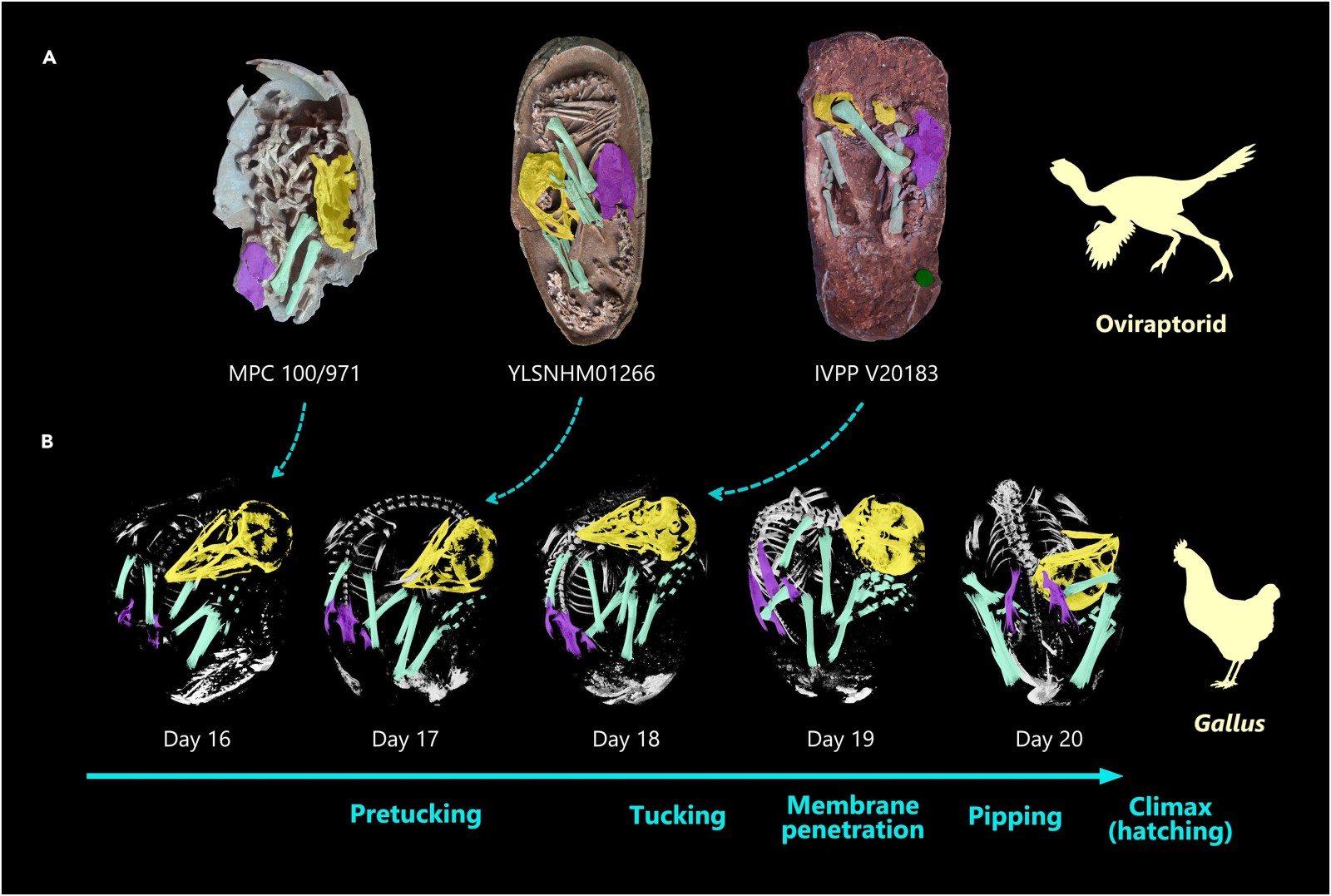
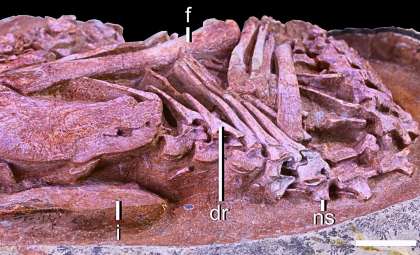
Scientists were captivated not only by the fossil's exceptional preservation but also by the embryo’s curled posture, which closely resembles the pre-hatching pose characteristic of modern bird embryos. This position, called tucking, is governed by the central nervous system and plays a crucial role in ensuring successful hatching for birds.
Published in iScience (Cell Press), this research provides the first fossil proof of such pre-hatching behavior in a non-avian dinosaur. The findings imply that complex embryonic behaviors once thought unique to birds actually have roots tracing back to their dinosaur predecessors.

From Museum Storage to Evolutionary Insight
The egg containing Baby Yingliang was excavated during construction activities near the Shahe Industrial Park in Jiangxi Province, an area rich with fossil remains from the Cretaceous period. Donated to the Yingliang Stone Natural History Museum in 2000, it remained largely unnoticed until 2015 when staff spotted bone fragments visible through tiny cracks in the shell.
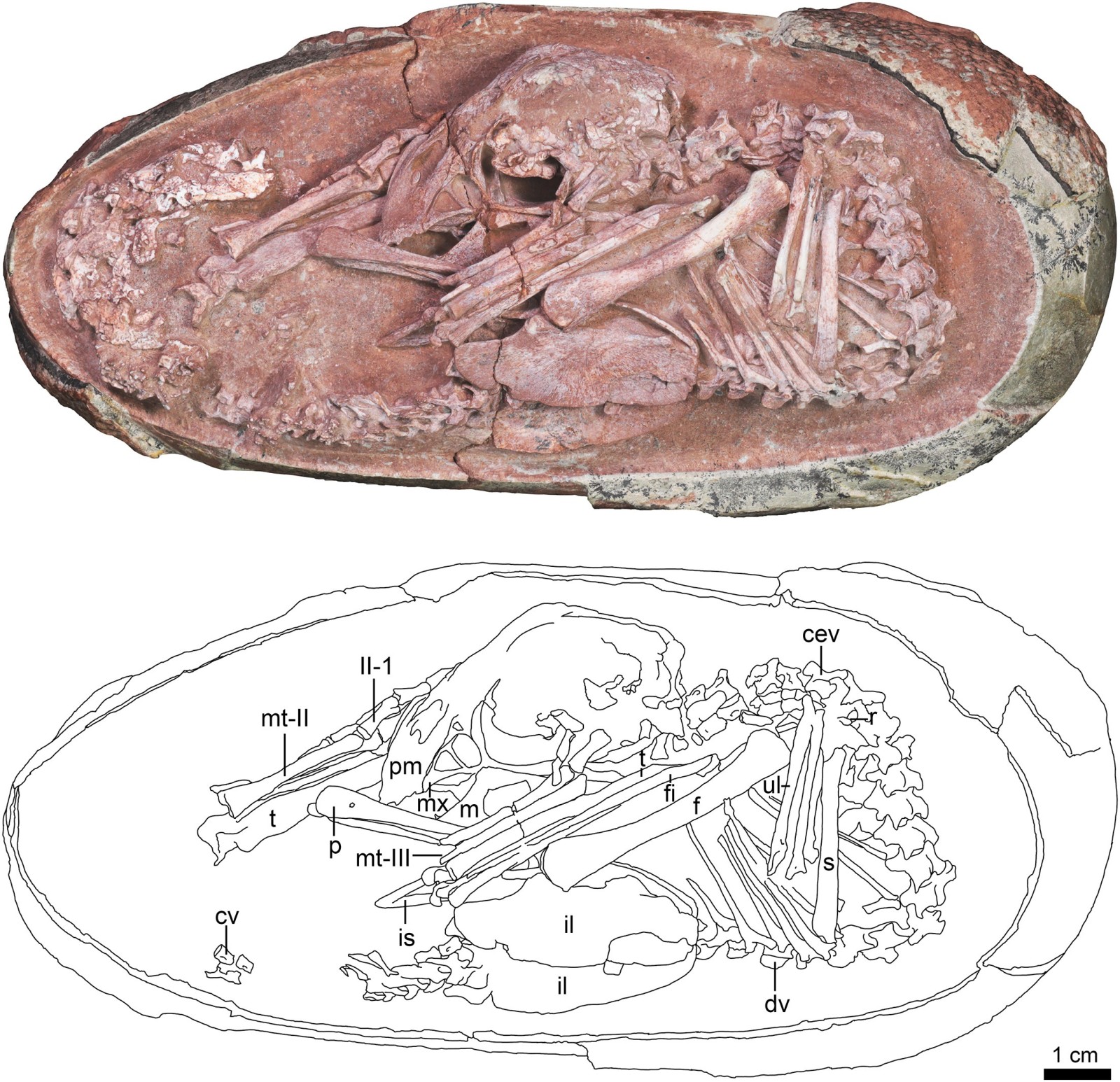
Further investigation identified the embryo as an astonishingly well-preserved oviraptorosaur, a group of feathered, beaked theropods closely linked to modern birds. Nestled inside its 17-centimeter-long egg, the embryo was curled with its head tucked near its body, its spine curved to match the inner egg shape, and limbs folded—mirroring the tucking behavior only previously documented in birds about to hatch.
An international team of researchers from China, the UK, and Canada produced detailed high-resolution images and compared this specimen to both bird embryos and other dinosaur fossils. Their analysis, published here, confirmed the presence of the same biomechanical pattern crucial for successful hatching in birds, indicating that this behavior originated before birds evolved.
Tucking Behavior Extends Beyond Birds
In contemporary birds, tucking involves precise movements to position themselves optimally in the egg before hatching. Failures in this process often result in mortality both in natural settings and hatchery environments. Previously, scientists believed this sophisticated embryonic behavior to be unique to birds.
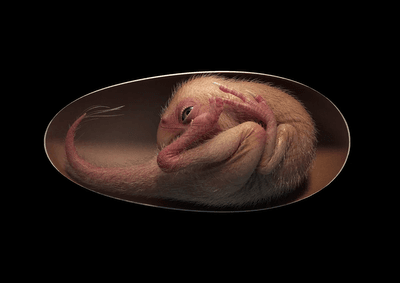
The posture demonstrated by Baby Yingliang challenges this understanding. This new evidence suggests that non-avian dinosaurs may have shared similar neural and muscular control over pre-hatching positioning, pushing back the evolutionary origin of such coordinated behaviors.
The oviraptorosaurs, thriving in the Late Cretaceous, displayed features akin to birds such as feathering, beaked jaws, and even brooding behavior. These discoveries add to accumulating fossil data indicating that both physical and behavioral traits characteristic of birds were present in their dinosaur relatives.
Exceptional Fossil Provides Rare Embryonic Snapshot
Fossils of dinosaur embryos are exceptionally scarce, and finds that retain clear skeletal structures and preserved hatch-ready postures are even more extraordinary. The exceptional state of Baby Yingliang suggests the egg was quickly buried—possibly by a rapid mudslide or flood—shortly after being laid, protecting it from decay and damage and capturing a moment of Late Cretaceous life.
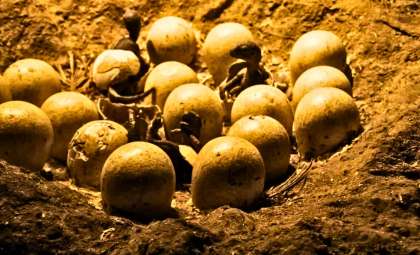
The Ganzhou region in Jiangxi Province, the likely origin of this fossil, is noted for an abundance of well-preserved oviraptorid fossils, including entire nests and eggs. Nevertheless, this is the first time an embryo has been discovered in such a distinct, behaviorally revealing pose.
While the evidence strongly suggests tucking behavior was present in non-avian dinosaurs, the researchers emphasize that this conclusion is based on a single specimen. To determine if this behavior was widespread among theropods, additional fossils exhibiting similar preservation are needed for detailed study using advanced imaging techniques like computed tomography.
Implications for Evolutionary Biology
The preserved posture in Baby Yingliang not only sheds light on dinosaur embryonic development but also extends the timeline for bird-like behaviors further into the past. Should future discoveries reveal comparable behaviors across other species, it may necessitate revising our understanding of how much modern bird biology is inherited from dinosaur ancestors.
This finding highlights how much remains unknown about dinosaur development biology. Traits such as feathers, hollow bones, and brooding have long linked birds with dinosaurs, and now deeply ingrained behaviors like tucking seem to also have evolutionary roots reaching back millions of years.
The discovery strengthens the evolutionary connection between dinosaurs and birds, revealing that instinctual behaviors as subtle as the curled pre-hatching pose have been passed down through generations—from ancient oviraptorosaurs to today’s birds.
- Categories:
- Science


0 comments
Sign in to Comment