
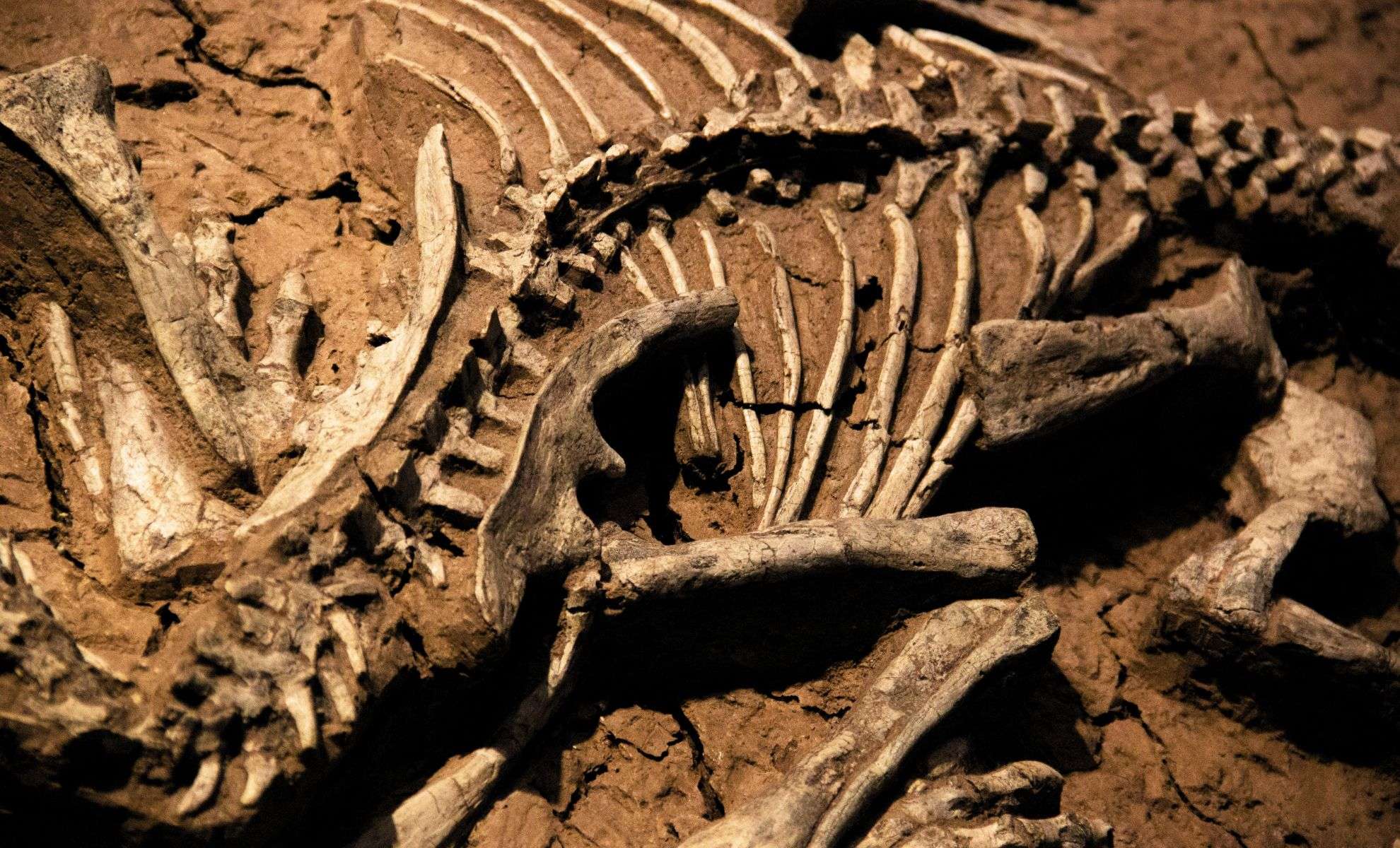
In the lofty Andes, over 3,000 meters above sea level, archaeologists in Argentina have uncovered a small dinosaur fossil that could reshape views on the emergence of dinosaurs. This tiny, long-necked creature dates back more than 230 million years, offering key insights into the early evolution of terrestrial giants.
Measuring only about two meters in length and weighing roughly 18 kilograms, the dinosaur’s modest size belies its significance. Its ancient origin and unique skeletal features place it at the forefront of a crucial scientific question: how and when did the immense sauropod dinosaurs begin to take form?
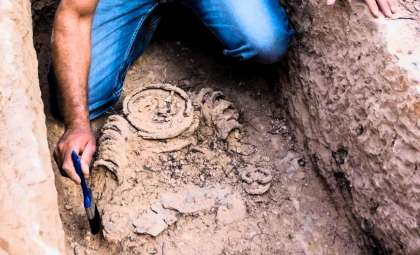
Named Huayracursor jaguensis, this species was discovered in the rugged terrain of Argentina’s La Rioja province. The region’s harsh, remote conditions have kept its fossil record limited, but the finds from the Quebrada de Santo Domingo site now represent some of the most intact early dinosaur remains ever documented.

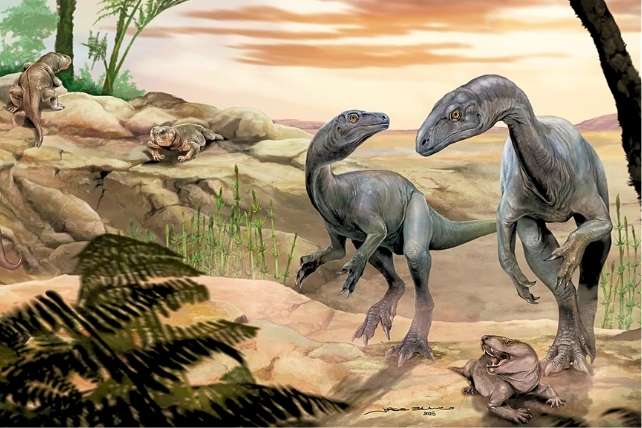
Distinct from the colossal Patagotitan or Argentinosaurus, Huayracursor was agile and lightly built but demonstrated early experimentation with elongated necks and growing body dimensions—traits later characteristic of the sauropodomorph lineage. This dinosaur’s exceptionally preserved skeleton, including skull fragments and nearly complete limbs, provides a valuable new standard for studying the origins of sauropods.
Unearthing a Unique Evolutionary Branch in an Isolated Locale
Previously, some of the oldest dinosaur fossils were unearthed primarily in iconic formations such as the Ischigualasto in San Juan and the Santa Maria beds of Brazil, helping outline dinosaur spread across the ancient Gondwana continent. However, the discovery of Huayracursor in a previously untapped basin hints at a distinct evolutionary trajectory in a separate ecosystem.
“This geological area is notably different,” explained Dr. Agustín Martinelli from the Museo Argentino de Ciencias Naturales, part of the research team. “It points to an independent evolutionary lineage developing in isolation, which was an unexpected revelation.”
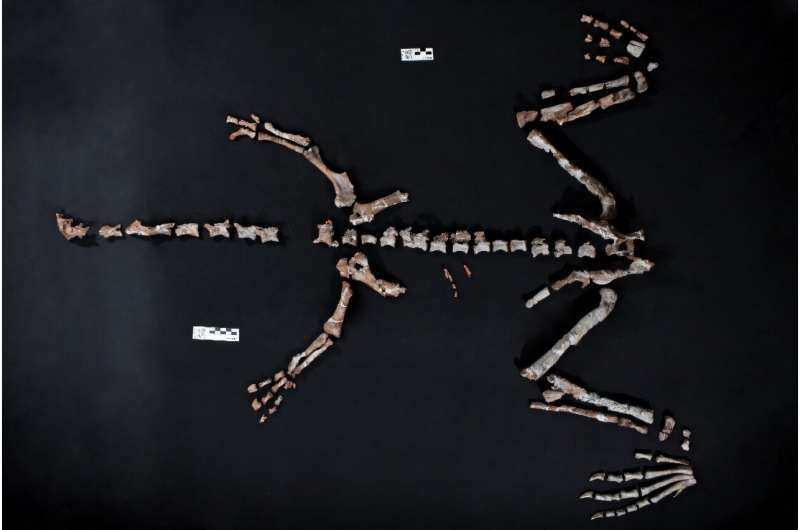
The dinosaur belongs to the early sauropodomorph group Bagualasauria, previously known only from younger Brazilian deposits. Its presence in the Andes with traits suggesting early neck elongation and increased size indicates that such adaptations may have independently evolved in several regions during the Triassic period.
Mountain Top Fossils Offer Fresh Insights Into Prehistoric Life
The fossil’s discovery site, perched around 9,800 feet high, is among the most elevated dinosaur dig locations known. Although this area rested at sea level during the Triassic, the challenging terrain has limited research—something the team now aims to expand.
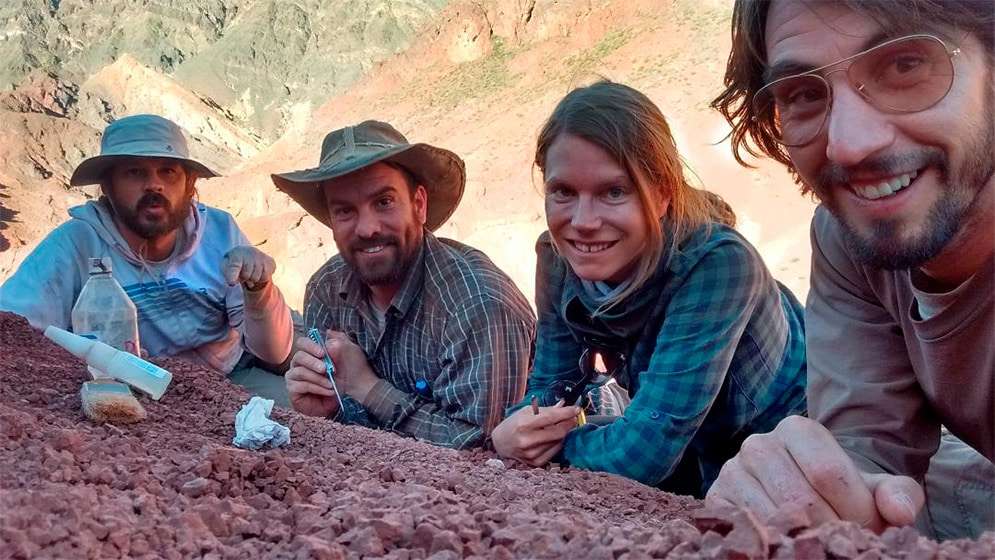
“This milestone opens a new window on early dinosaur ecosystems,” said Dr. Martín Hechenleitner of CRILAR, who directed the excavation efforts. “Our findings are just the start; the region still has much to reveal.”
Early dinosaur habitats were complex, supporting not only small herbivores like Huayracursor but also other Triassic animals such as rhynchosaurs and traversodontid cynodonts—relatives of mammals. The emergence of Huayracursor roughly aligns with the Carnian Pluvial Episode, a wetter phase approximately 233 million years ago linked to expanded dinosaur diversification.
Tracing the Evolutionary Leap Toward Giant Sauropods
How sauropodomorphs developed their hallmark traits—long necks, massive bodies, and sturdy limbs—has long puzzled scientists. Where once these changes were thought to occur slowly over millions of years, Huayracursor provides evidence for a much quicker emergence of these features.
“This species already exhibits a notably elongated neck and larger size compared to its peers,” noted Malena Juarez, a doctoral student on the research team. “Though not yet fully evolved, these adaptations appeared earlier and together more rapidly than previously assumed.”
These discoveries imply that sauropod evolution accelerated during ecological booms, driven by environmental factors and new ecological opportunities. Far from stagnant, the Triassic environment was a hotbed of evolutionary creativity shaping the giants of the dinosaur era.
- Categories:
- Science



0 comments
Sign in to Comment