
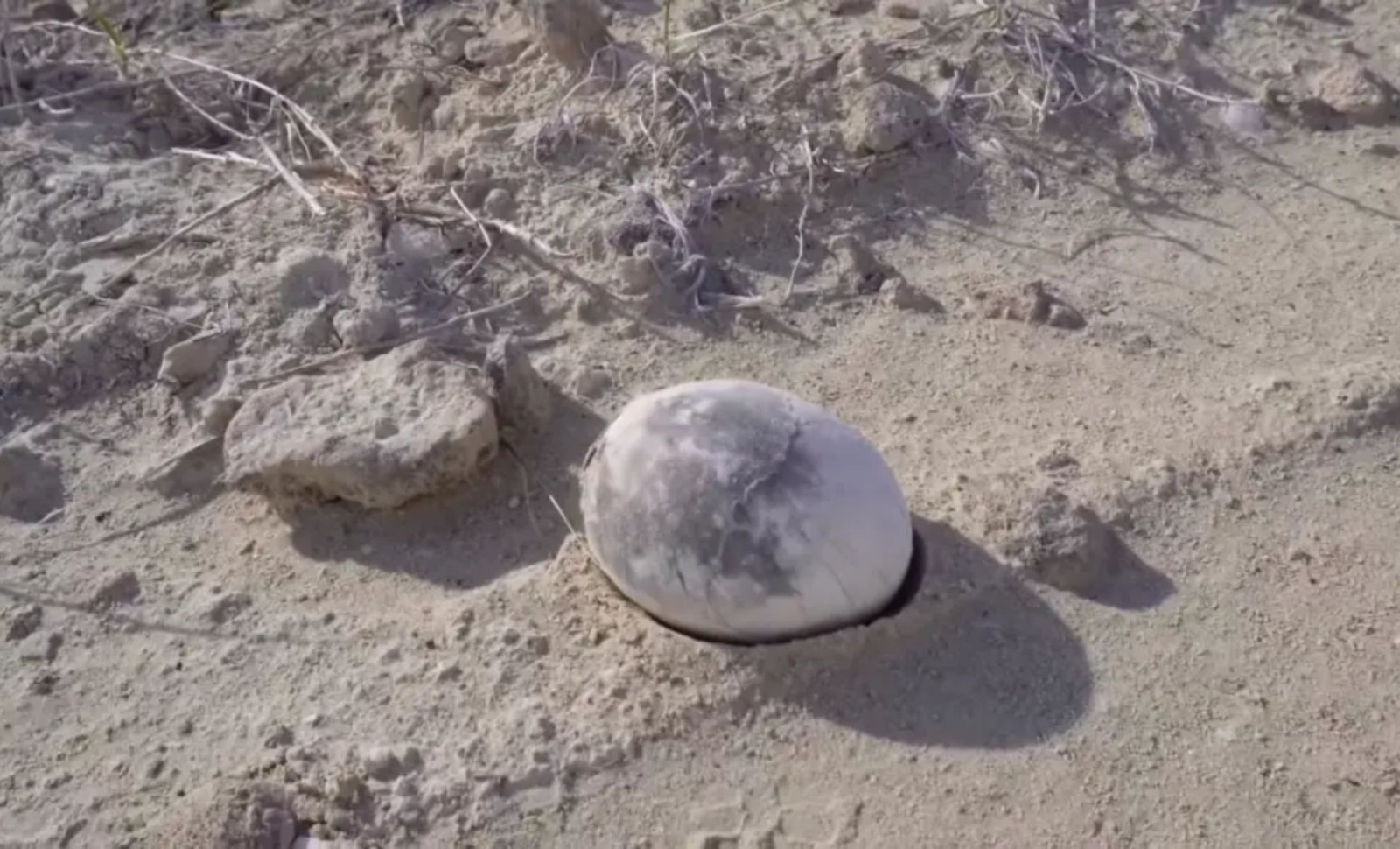
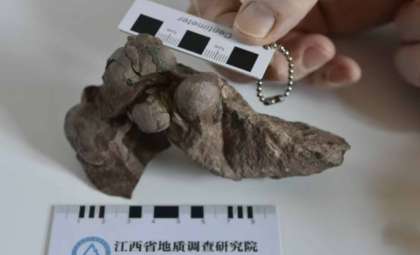
In Argentina's Río Negro province, paleontologists have discovered a dinosaur egg that has remained in pristine condition for an astonishing 70 million years. This exceptionally preserved specimen has generated significant interest among researchers, who hope it might contain genetic material or even an embryonic dinosaur.
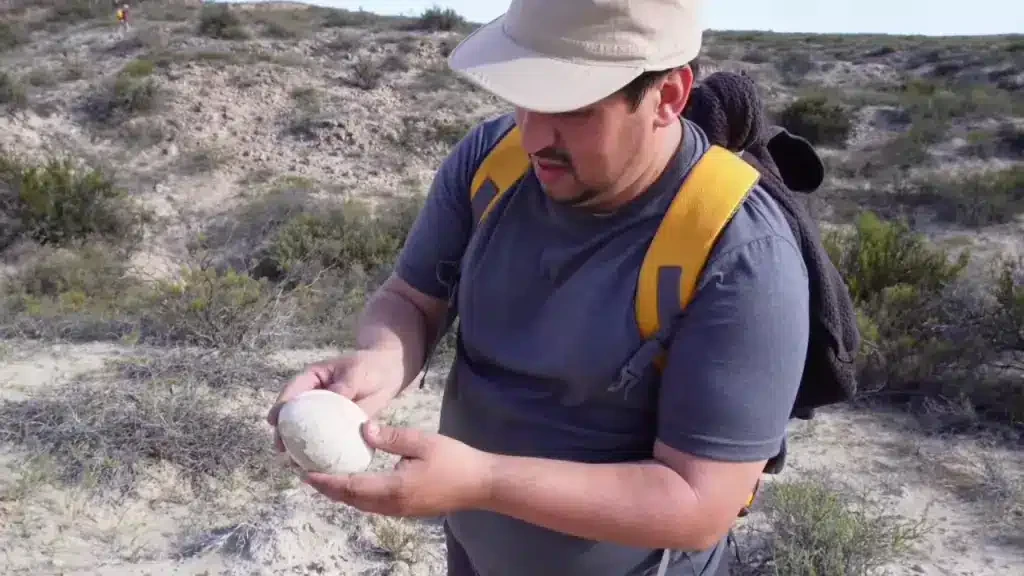
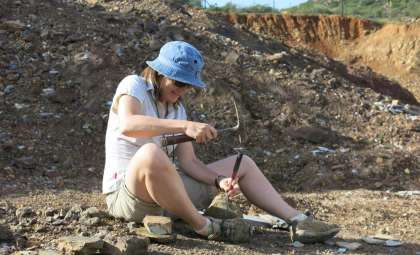
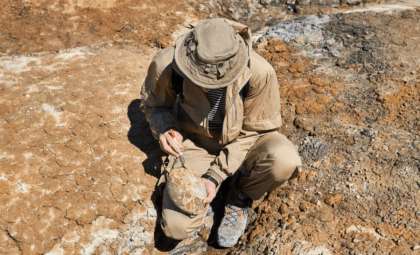
The excavation was led by Gonzalo Leonel Muñoz of the Argentine Museum of Natural Sciences. While exploring a fossil-rich site, the team stumbled upon this rare and intact fossil, an unexpected discovery Muñoz called “a complete and utter surprise.”
Exceptional Dinosaur Egg Found in Río Negro
The southern Argentine region of Río Negro is renowned for its abundant prehistoric fossils. However, finding dinosaur eggs there is exceedingly rare — far more so than bones or teeth. The discovery of such a flawlessly preserved egg is virtually unheard of in paleontology.

“Patagonia is a spectacular place, rich in deposits. Dinosaur fossils are frequently found there, but eggs are much rarer. There are sites containing many sauropod eggs (the long-necked dinosaurs), but these were spherical eggs, like huge balls, with thicker shells,” told Gonzalo Muñoz to National Geographic.
Muñoz compared the fossil’s appearance to that of a “hard-boiled” egg, a striking image considering its ancient origin. It’s as if this tiny memento was frozen in time.
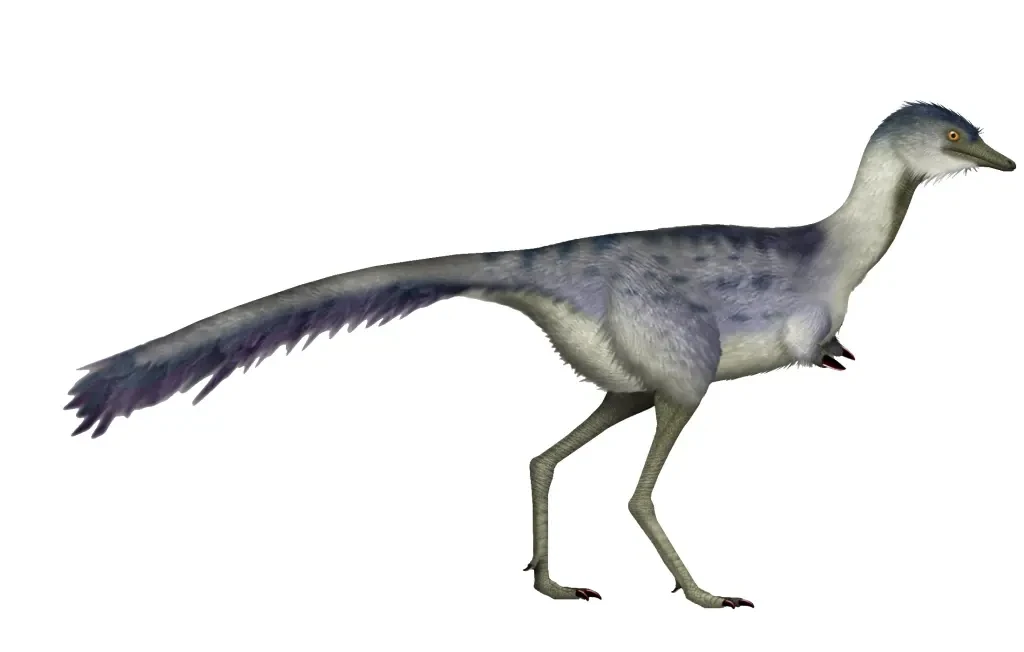
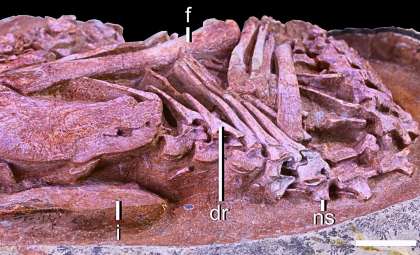
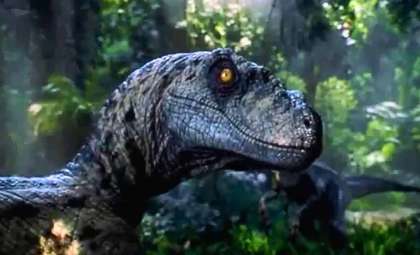
Experts believe the egg originated from a Bonapartenykus, a small carnivorous theropod dinosaur from the late Cretaceous era. Adding to its significance, it was discovered within a nest, rather than in isolation, suggesting familial nesting behavior.
The Link Between Dinosaurs and Birds
Muñoz’s team notes the egg’s delicate shell is indicative of a carnivorous dinosaur, characterized by thinner and more bird-like shells, distinguishing it from the thicker eggs of herbivorous species. This insight is important, as birds are direct descendants of theropods, making this specimen a valuable window into their evolutionary bridge.
Should an embryo be found inside, it could reveal remarkable details about the development of theropods—whether they displayed more avian characteristics or retained distinct dinosaur traits. Muñoz emphasized:
“We don’t know at this moment. We are hopeful, and it’s possible that it is the case. An embryo is a very fragile organism, and its preservation is more complex. Although the egg has been preserved intact, we are unsure whether the embryo was present and died, or if it was an empty egg.”
Cutting-Edge Technology Unlocks Ancient Secrets
The research team plans to apply advanced 3D tomography, enabling them to peer inside the egg non-invasively. This technology has transformed fossil examination, allowing scientists to investigate fragile specimens without causing damage. The scans aim to detect any preserved embryos or genetic remnants.
As reported by the New York Post, after thorough scanning, the fossil will undergo further study to enhance understanding of Bonapartenykus biology and its prehistoric habitat. The egg and associated fossils will be transported to the museum to continue analysis.
Reflecting on the Past While Embracing the Future
Even if an embryo is not discovered, this exceptional find offers potential breakthroughs about the Bonapartenykus and similar dinosaurs of its time.
Modern scanning capabilities have opened new horizons in paleontology, allowing mystery-shrouded fossils to reveal their stories. The future holds promise for uncovering secrets once lost in time.
- Categories:
- Science





0 comments
Sign in to Comment