
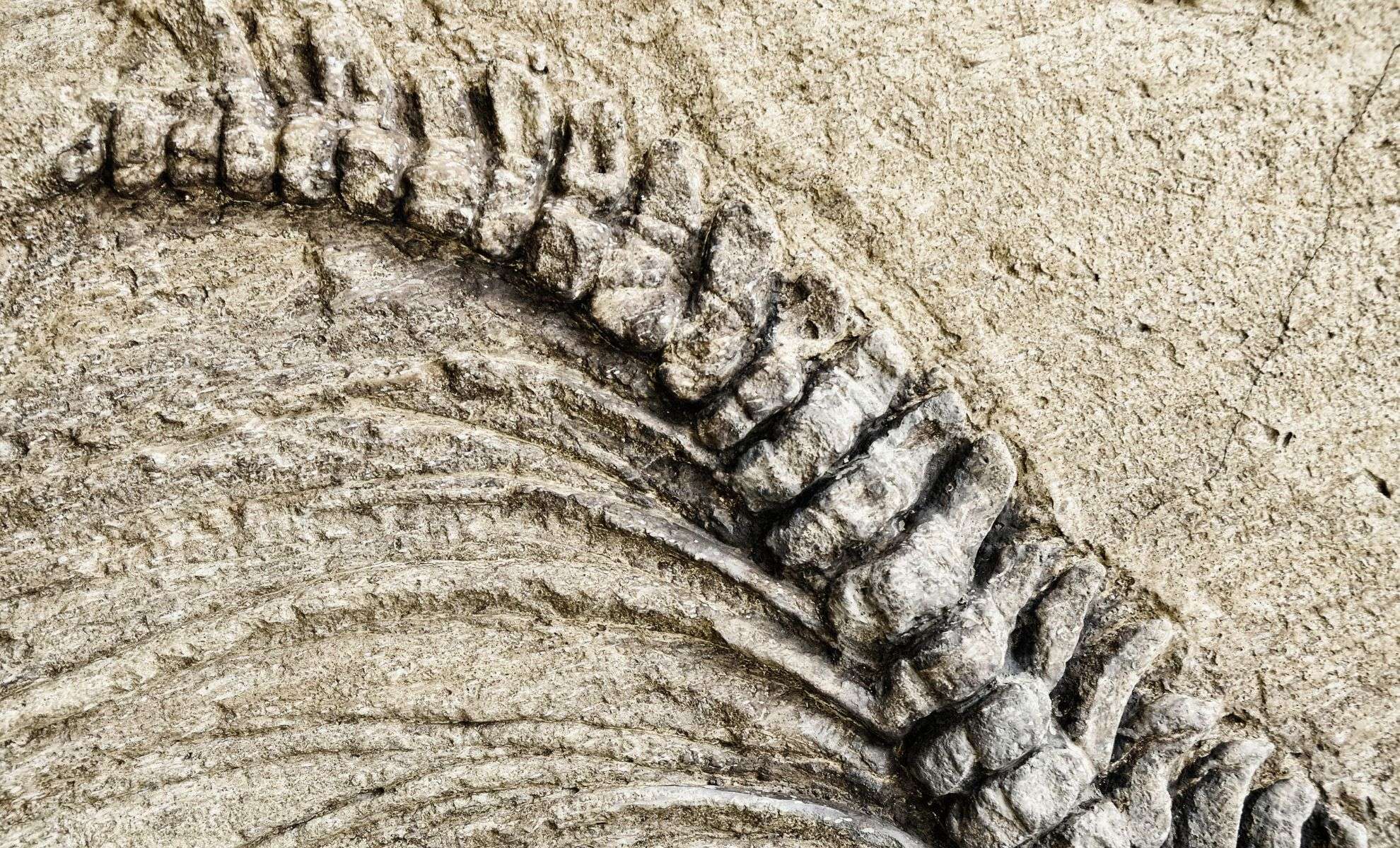
What happens when a colossal, long-necked dinosaur meets a road unable to support its immense mass? A memorable incident making headlines and a landmark fossil find. This scenario unfolded in Patagonia, Argentina, where scientists recently uncovered Chucarosaurus diripienda, an immense dinosaur whose fossilized bones were so heavy that they fractured the pavement during transit. Featured in the Cretaceous Research journal, this monumental discovery is reshaping our knowledge of prehistoric giants.
Encountering the Ancient Colossus
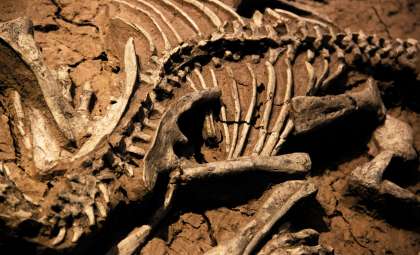
Back in 2018, researchers exploring the rocky terrain of Río Negro province in Argentina uncovered the remains of a massive titanosaur species, known for their elongated necks and herbivorous diet. Measuring approximately 100 feet (30 meters) long, Chucarosaurus diripienda was a towering behemoth roaming the Cretaceous landscape. Weighing several tons, its fossilized bones lay scattered across the Patagonian plains, waiting to be studied.
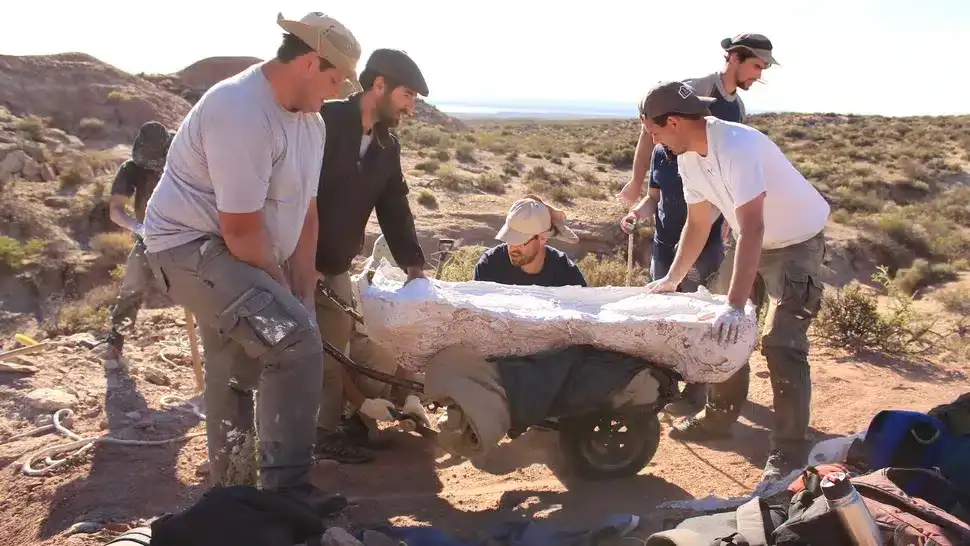
This remarkable find gained further attention due to an unexpected event during transportation. While moving these fossil blocks to Buenos Aires for examination, their tremendous weight caused a mishap: the transport truck became unstable, scattering bone fragments. Although no injuries occurred, the pavement beneath the vehicle suffered cracks caused by the exceptionally heavy fossils—highlighting the dinosaur’s staggering size.

The Name Reflecting Resilience and Chaos
The transportation accident inspired the dinosaur’s distinctive name, which fittingly captures both its immense strength and the turmoil surrounding its discovery. Derived from the Quechua term "Chucaro," meaning "tough and unyielding," and the Latin word "diripienda," meaning "scrambled," the name Chucarosaurus diripienda honors the dinosaur’s might and the tumult experienced during fossil recovery.
While this species isn’t the largest ever found—other titanosaurs like Patagotitan and Argentinosaurus claim that honor—Chucarosaurus was no less extraordinary. Estimated to weigh between 30 and 40 tons, it dominated its ecosystem. Beyond sheer mass, its skeletal features reveal insights into its lifestyle and movement.
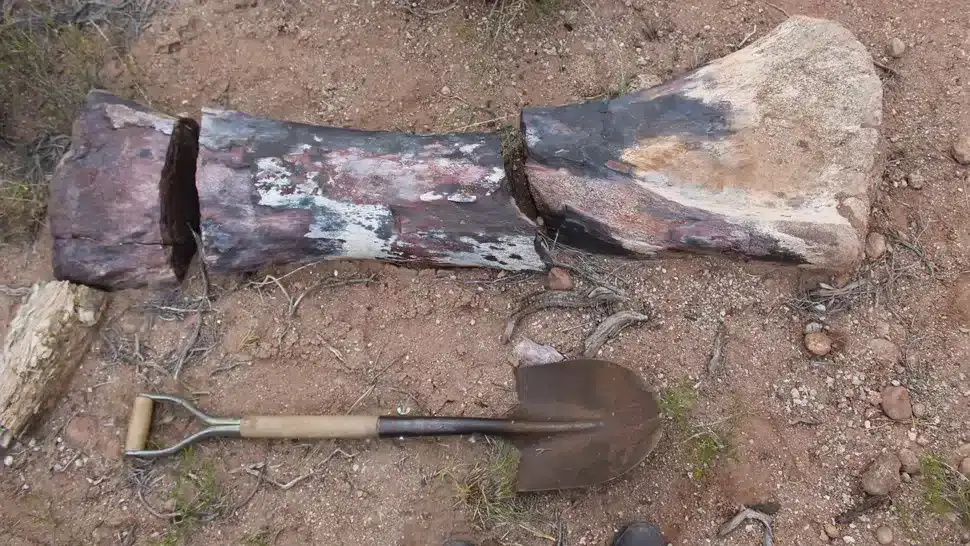
The paleontologists uncovered multiple bones from its forelimbs, hips, and hind legs, including a notably large femur measuring 6.2 feet (1.9 meters). The shape and proportions of these bones indicate that, unlike many other huge dinosaurs, Chucarosaurus diripienda had comparatively slender limbs.
This anatomical design points to a body built not merely for support but for efficient locomotion. Its elongated neck likely enabled it to feed on treetops, while its tail may have served as a defensive weapon. The limb structure suggests this immense creature possessed surprising agility despite its size.
Insights Provided by Chucarosaurus
Titanoaurians evolved numerous adaptations to thrive in diverse environments, and this new species adds valuable information to that evolutionary story. The fossils from Río Negro shed light on how titanosaurs developed distinctive body forms and movement strategies. The limb proportions of Chucarosaurus diripienda imply that not all giant sauropods moved identically—some may have been unexpectedly nimble, using their unique skeletal features to cover vast distances effectively.
- Categories:
- Science






0 comments
Sign in to Comment