
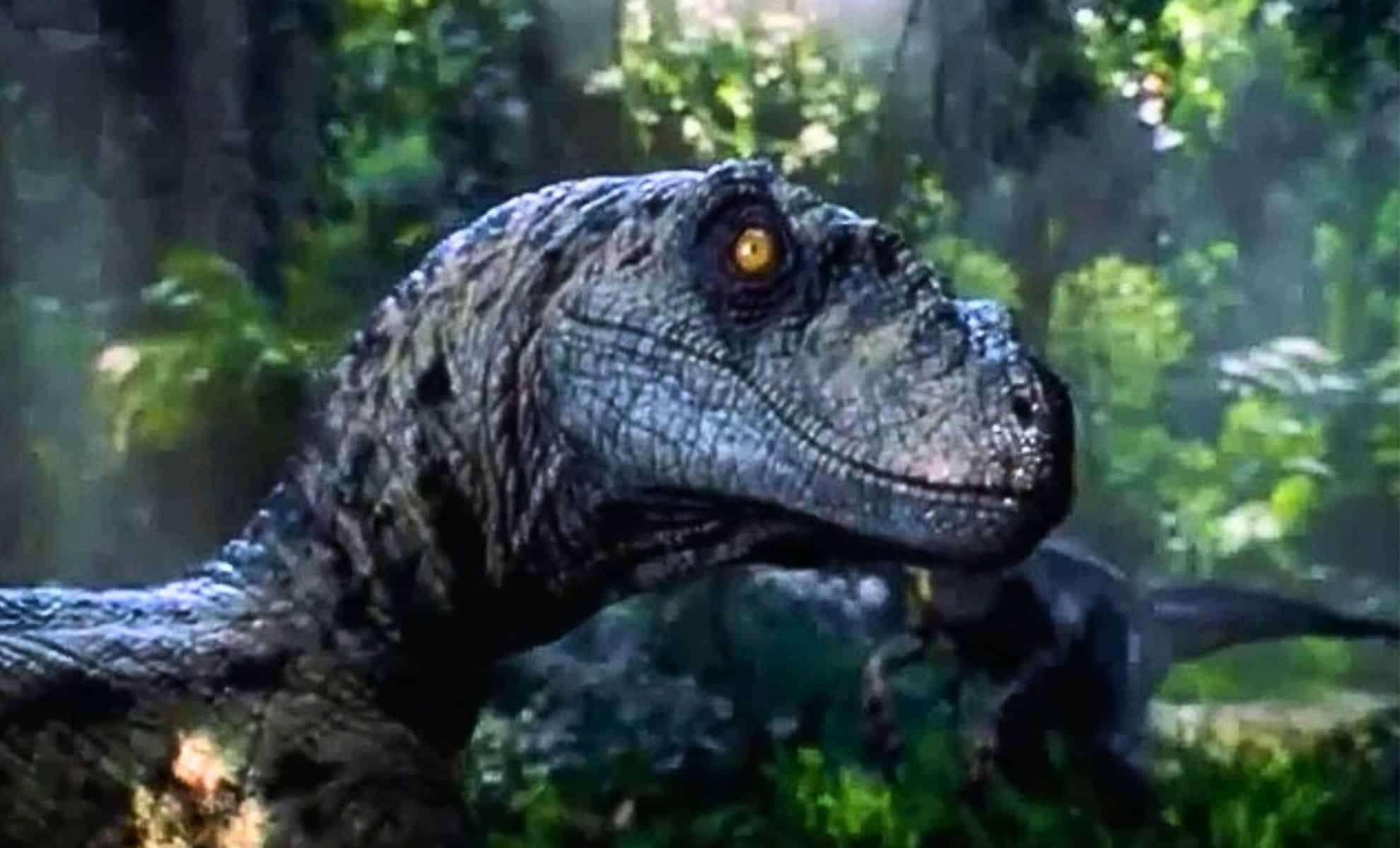
For many years, scientists have assumed that the earliest dinosaurs emerged in the southern portion of the ancient supercontinent Gondwana, notably in the territory now known as Argentina. This conclusion stemmed largely from significant fossil finds in the area, including species like Eoraptor and Herrerasaurus.
These discoveries have long reinforced the mainstream narrative surrounding dinosaur origins. Yet, a recent investigation presents a compelling case for a different origin point for these prehistoric creatures.
Reevaluating Where Dinosaurs First Appeared
A research team from University College London (UCL) published a study in the journal Current Biology that calls into question the widely accepted assumptions about dinosaur evolution. Utilizing an advanced computational model, the researchers analyzed missing data in the fossil record to better understand relationships among early dinosaur species.

The evidence suggests that dinosaurs may have originated not in southern Gondwana, but rather in its northern regions, corresponding to parts of what today are Africa and South America.
This revised hypothesis challenges the long-standing view that Argentina’s southern Gondwana was the primary cradle for early dinosaurs. Consequently, this new perspective encourages paleontologists to shift their fossil-hunting focus toward these less-studied northern areas of the supercontinent.
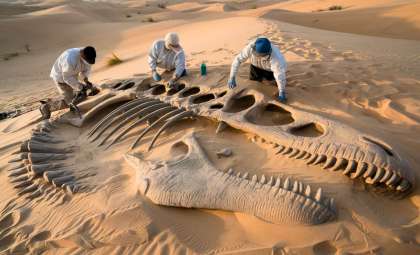
Exploring these locations poses significant challenges because regions such as the Sahara Desert and the Amazon Rainforest are extremely remote and difficult to access for scientific investigations.
Recent Fossil Finds Stir Up the Origin Debate
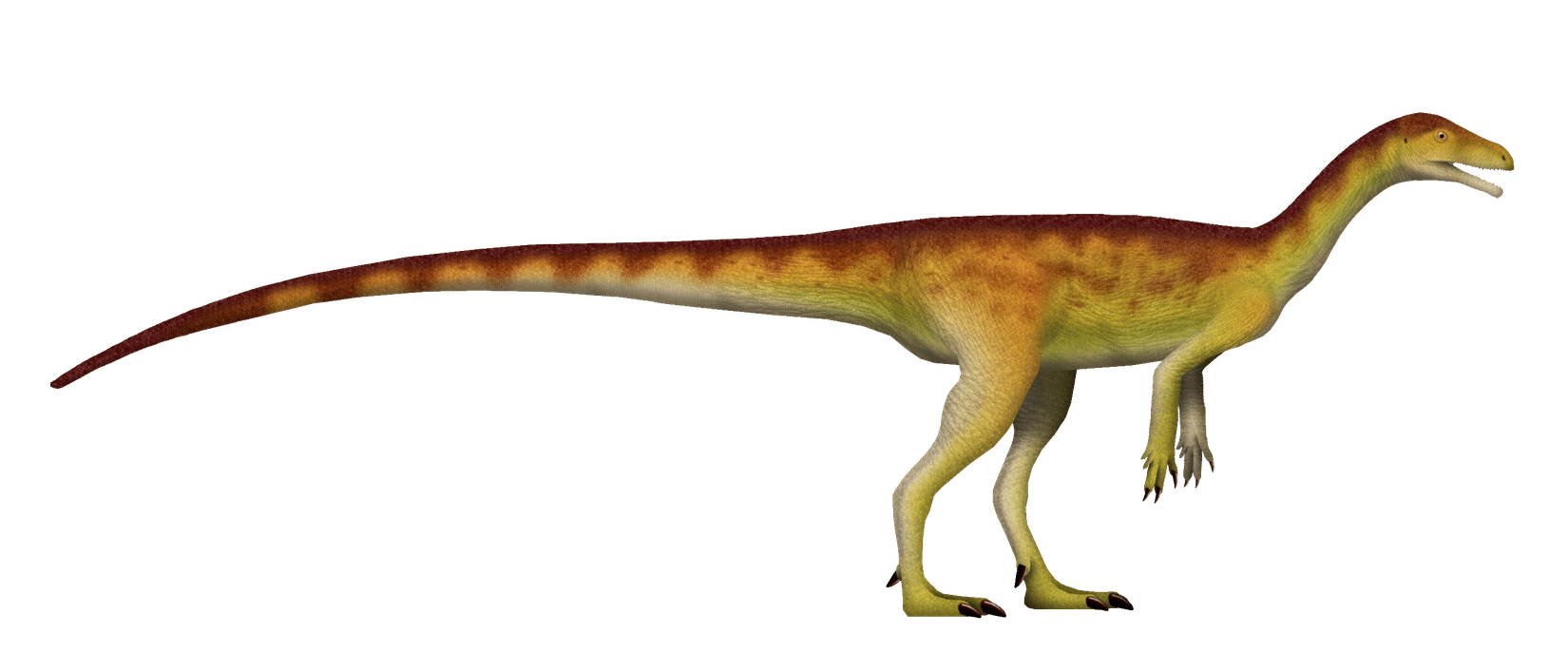
Newly uncovered fossils continue to complicate the understanding of dinosaur beginnings. One noteworthy discovery is Nyasasaurus, a possible dinosauriform found in Tanzania. First described in 2013, Nyasasaurus dates to the Middle Triassic’s Anisian stage, approximately 247 to 241 million years ago.
If classified as a true dinosaur, Nyasasaurus would currently hold the title of the oldest known dinosaur species, extending the dinosaur timeline further back than previously documented.
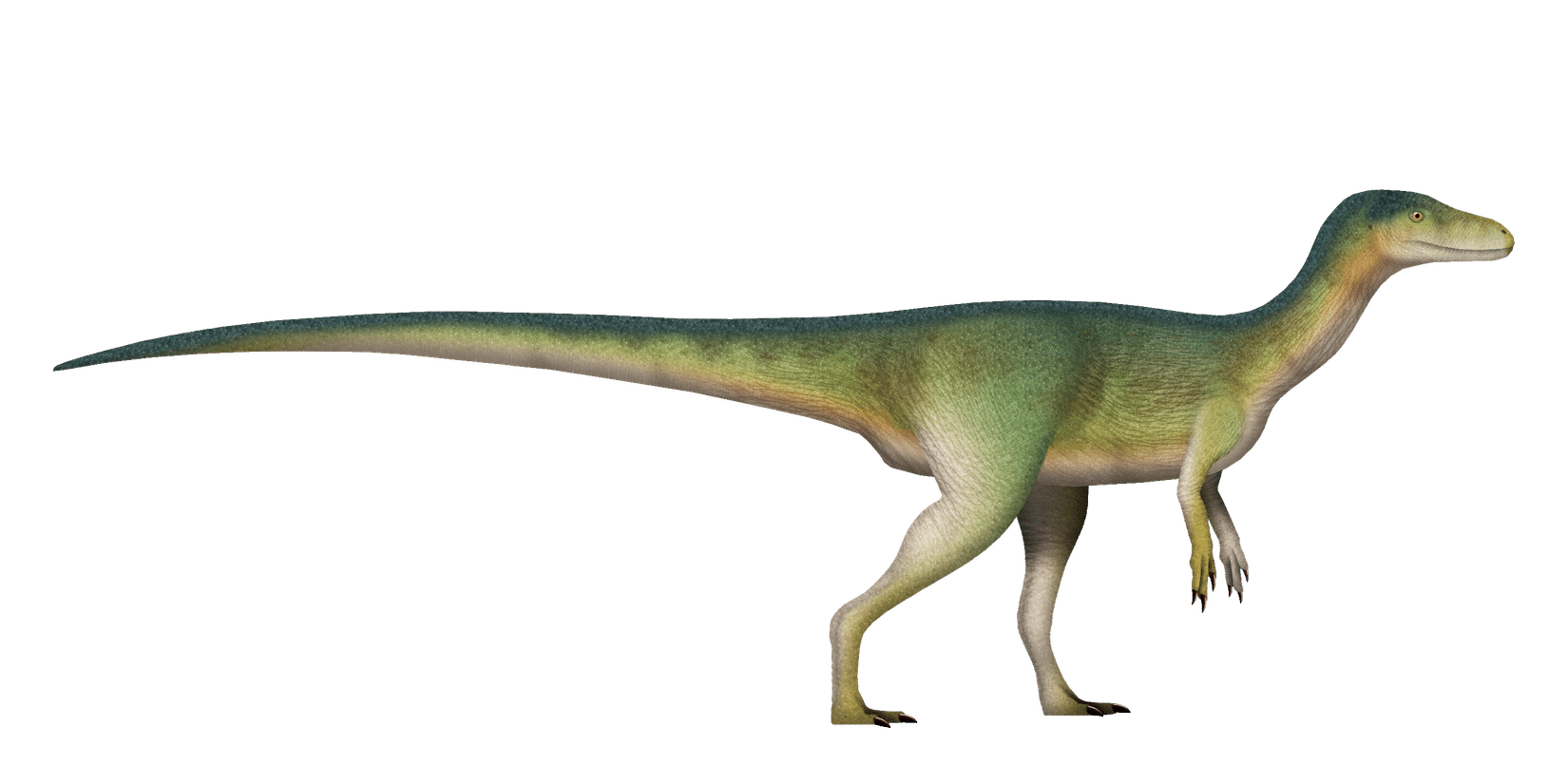
Another significant species is Ahvaytum, a sauropodomorph discovered in Wyoming. Dating to the Carnian stage of the Triassic, this find sheds light on early dinosaur evolution in North America, marking one of the continent's oldest known dinosaurs.
Together, finds like Nyasasaurus and Ahvaytum cast doubt on the notion that dinosaurs first appeared solely in southern Gondwana.
Shifting Priorities for Future Paleontological Research
This study encourages a reassessment of geographic targets for dinosaur fossil hunts. The UCL research team highlights northern Gondwana — now parts of Africa and South America — as promising areas for unearthing the earliest dinosaur remains.
Despite their potential, these regions are notoriously difficult to navigate. The harsh conditions of the Sahara Desert and the thick, inaccessible terrain of the Amazon Rainforest have limited past expeditions.
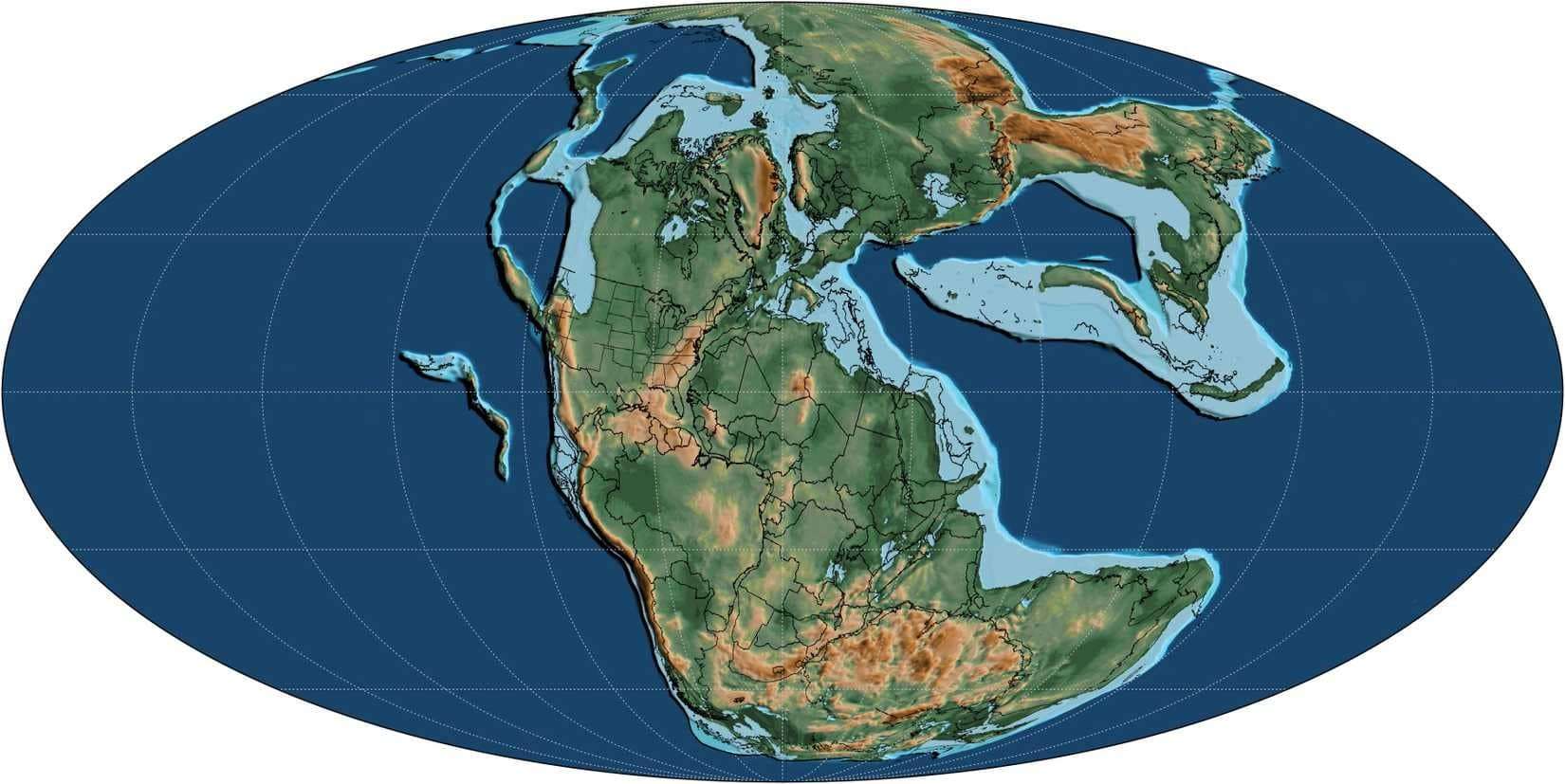
Joel Heath, the study’s lead author, explains, “Today, this region constitutes the northern parts of Africa and South America. Paleontological expeditions to these regions may be less common as a result of the harsh environment of the Sahara and inaccessibility of many areas of the Amazon.”
While these conditions are challenging, they should not discourage further exploration. Successful digs in these environments could provide fossil evidence that fundamentally revises our understanding of where dinosaurs first evolved.
- Categories:
- Science



0 comments
Sign in to Comment