
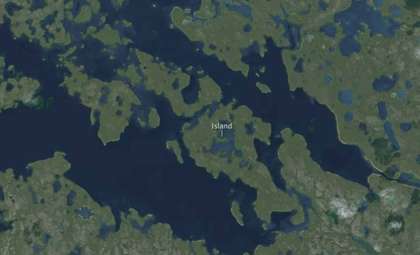
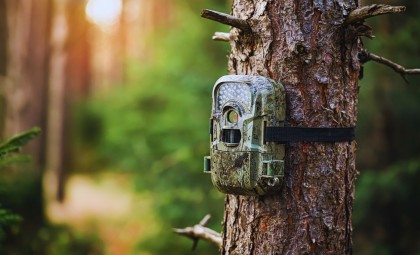
Motion-activated cameras set up around truwana/Cape Barren Island, situated off the north-eastern coast of Tasmania, have recently captured unexpected nocturnal activity. Installed by the truwana Rangers within a conservation project backed by WWF Australia, the devices initially recorded typical nighttime animal movements through scrub and grasslands.
However, soon distinct photographs emerged showcasing rarely seen creatures on the island, including a diminutive marsupial and an unusually light-colored echidna. These findings indicate that ongoing preservation efforts may be playing a crucial role in sustaining the native fauna.
Senior ranger Buck Brown recalled an incident six years ago when, during a controlled burn, small mammals unexpectedly darted from the nearby vegetation. He managed to capture a few before they vanished again into the bush.

“I was on my knees catching them and placing them beneath the ute's tire,” Brown shared with ABC News. Back then, he lacked photographic proof of the animals he thought he encountered. The current camera survey has finally validated their presence, showing that at least one of those species still inhabits the island.
Trail Cameras Confirm Presence of White-Footed Dunnart
A pivotal photograph revealed a white-footed dunnart, marking the first visual evidence of this species on truwana/Cape Barren Island. This small marsupial, scientifically known as Sminthopsis leucopus, is under 10 centimeters long and primarily consumes insects and other tiny invertebrates dwelling in grassland areas.
Scientists estimate there are fewer than 5,000 individuals remaining throughout Tasmania. The species is also listed as threatened in New South Wales, making confirmed sightings paramount for conservation efforts.
Upon examining the footage, Brown immediately identified the dunnart as one of the animals he’d encountered years ago during the fire management operation. “That’s exactly the little guy I saw six years back,” he remarked.
This confirmation expands the documented wildlife on truwana/Cape Barren Island, with trail cameras proving valuable in tracking the white-footed dunnart’s presence within the island’s bush areas.
Rare Pale Echidna Caught on Camera
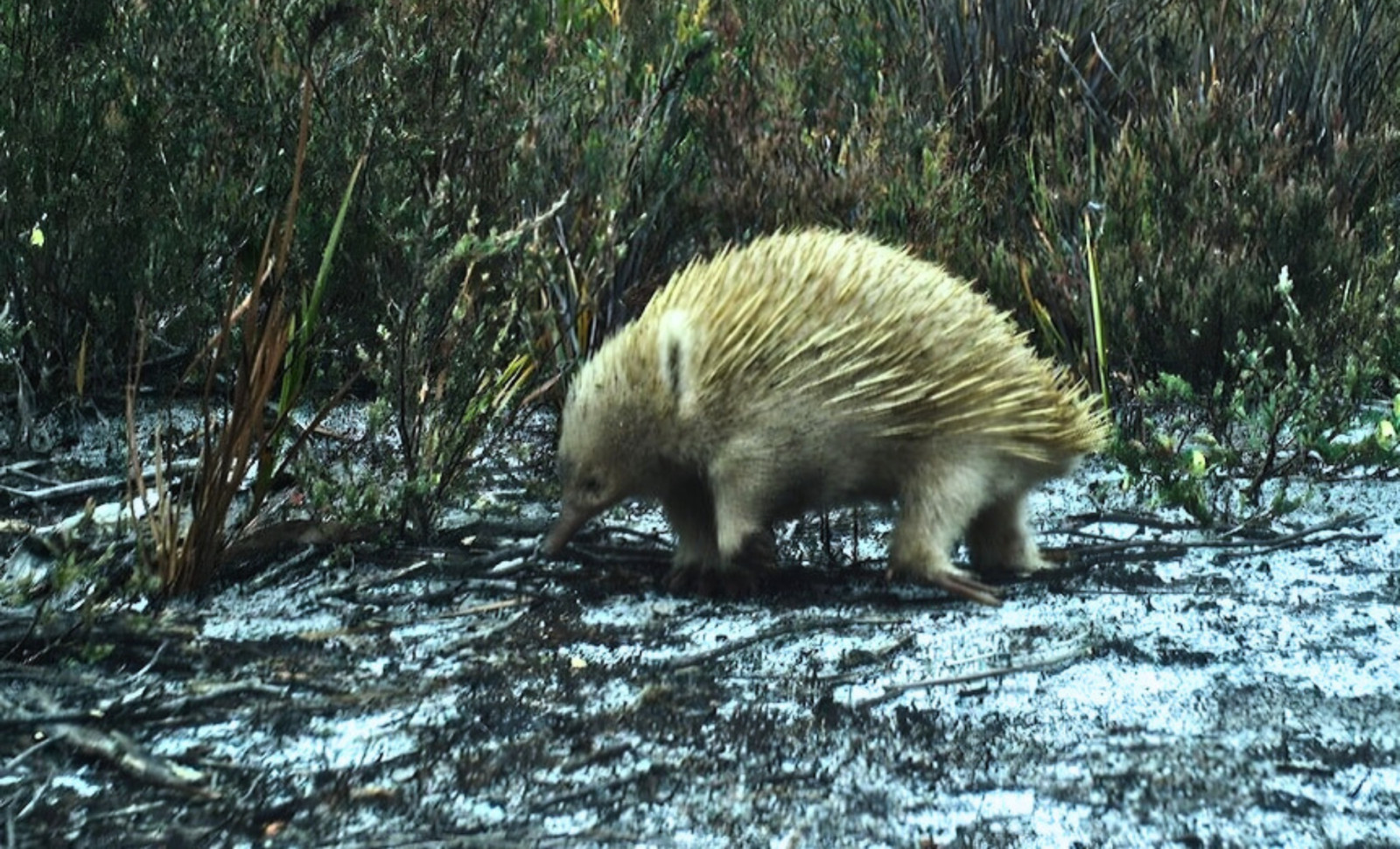
Another striking find was an image showcasing a pale echidna, its spines and fur appearing blond beneath the infrared lens. Ranger Shane Hughes noted the team’s surprise at this observation, as echidnas are common on the island but such a pale individual is unusual. “Seeing it in person would have been incredible,” Hughes said.
Experts believe this unusual shade is likely due to leucism, a genetic trait causing partial pigment loss. Unlike albinism, which entirely removes pigment and affects eye color, leucism results in lighter fur or feathers while the eyes retain their typical color.
Wildlife ecologist Dr Liz Znidersic of Charles Sturt University explained the condition tends to occur more frequently than albinism, especially within small, isolated populations. “Leucism appears slightly more often than albinism,” Znidersic added.
On island environments like truwana/Cape Barren Island, limited genetic diversity can increase the chances of such rare color variations. Similar pale echidnas have also been spotted on nearby Flinders Island.
Migratory Arrival from Asia and Russia Captured
The cameras also documented a seasonal visitor: Latham’s snipe, a migratory bird traveling thousands of kilometers between Japan, Russia, and Australia.
According to Dr Liz Znidersic, this marks the first photographic confirmation of the species on truwana/Cape Barren Island, an exciting discovery for those involved in the monitoring project. “I’m quite passionate about birds, so this was a real thrill,” she said.
Latham’s snipe spends the southern hemisphere summer in Australia before traveling northward to breed in northern Asia. These birds depend on wetland and grassy habitats to forage for insects and worms. Their presence suggests that truwana/Cape Barren Island continues to provide vital habitats for migratory species, with healthy wetlands playing a key role in their survival.
Ongoing Efforts to Manage Feral Cat Threats
Despite the encouraging wildlife observations, the rangers emphasize that invasive predators pose a significant danger to island fauna. Feral cats prey on small mammals and ground-nesting birds, threatening species like the white-footed dunnart by reducing their chances of survival.
To mitigate this, teams set out baited traps during winter months, typically using sardines, and regularly check them to remove captured predators. Brown noted that the program has successfully removed a substantial number of feral cats, estimating, “We catch around 30 or so cats every winter.”
On a compact island habitat, eliminating dozens of invasive cats yearly can considerably ease pressures on vulnerable wildlife populations. This trapping initiative continues alongside other conservation strategies.
Trail Cameras Shed Light on Island Wildlife Persistence
This wildlife monitoring project represents a cooperative effort between the truwana Rangers, WWF Australia, and researchers focused on the Bass Strait ecosystems. Trail cameras enable the team to observe native animals discreetly within their environment.
The photo records from truwana/Cape Barren Island help confirm which species remain active across its diverse grassland and wetland zones, enriching understanding of the island’s biodiversity.
For Brown, the camera evidence supported a long-held belief from years ago: the small marsupials he saw during that controlled burn were indeed real and continue to inhabit the island.
- Categories:
- News





0 comments
Sign in to Comment