
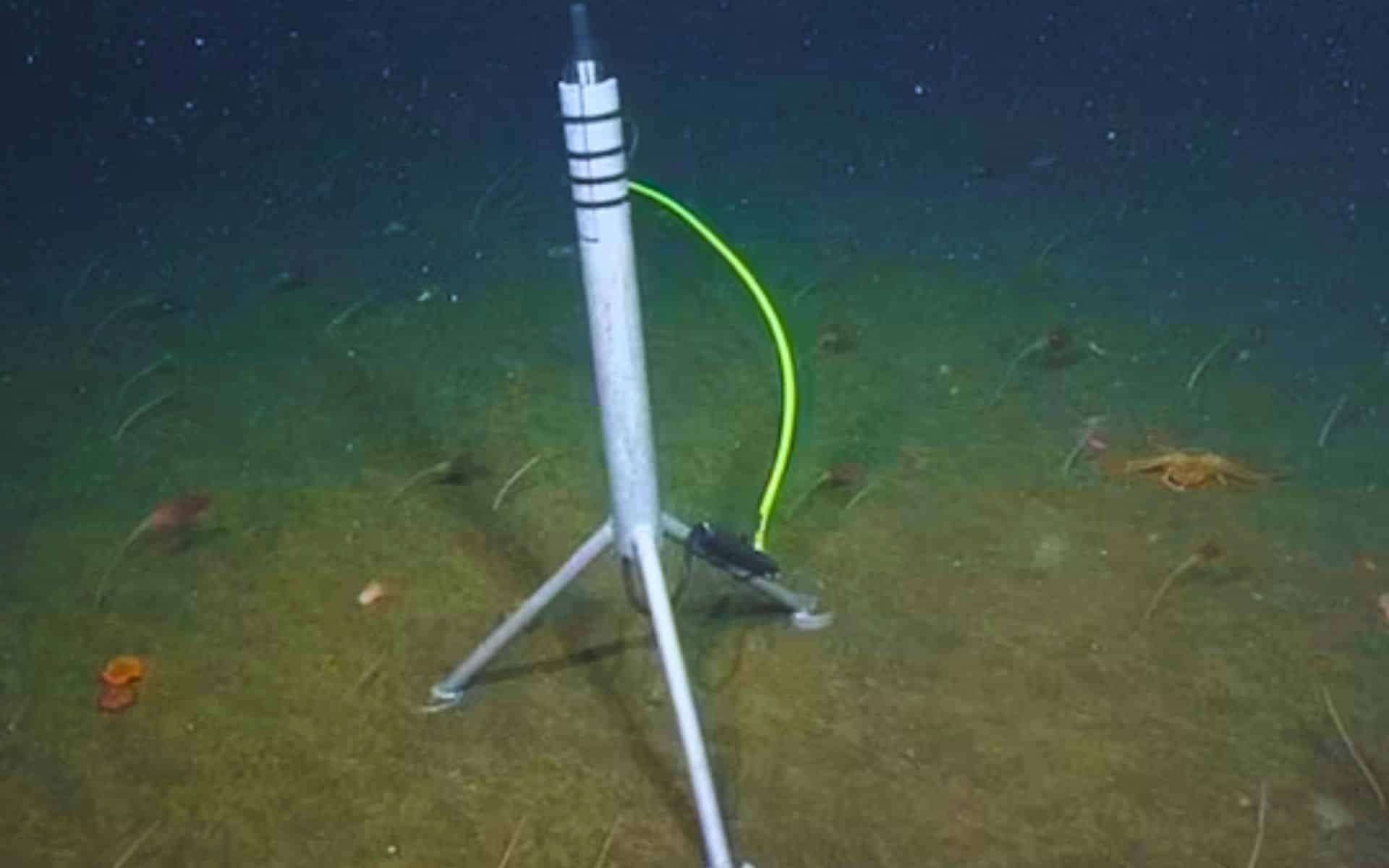
The vast deep ocean has long fascinated scientists with its diverse array of sounds and mysterious acoustic signals. Recently, an unusual clicking noise detected off California’s coast sparked curiosity, leading to a prolonged investigation. The cause behind these sounds has now been identified, pointing to one of the ocean’s most formidable hunters.
Unraveling the Mystery Behind Underwater Clicks
Will Oestreich, representing the U.S. National Science Foundation, discovered the strange clicking that had remained a secret in the ocean’s depths for many years. Specialized underwater microphones, known as hydrophones, recorded the distinctive clicking sequence beneath the Pacific’s surface.
The sound started slowly before transitioning into a persistent buzzing noise, surprising researchers with its intensity — a noise that “almost sounded like a human machine,” according to Oestreich.

After extensive study, scientists concluded that the seemingly mechanical clicks were actually produced by the sperm whale, a dominant predator known for its sophisticated use of echolocation.
The Loudest Natural Sound on Earth
The sperm whale is famous for its intense clicking sounds, which play a crucial role in navigation and hunting in dark, deep waters. Oestreich explained that each click lasts just a fraction of a second yet ranks as the loudest biological noise recorded, exceeding 200 decibels—outshining even the roar of jet engines. These potent sound pulses enable sperm whales to detect prey over vast distances in the ocean’s darkness.
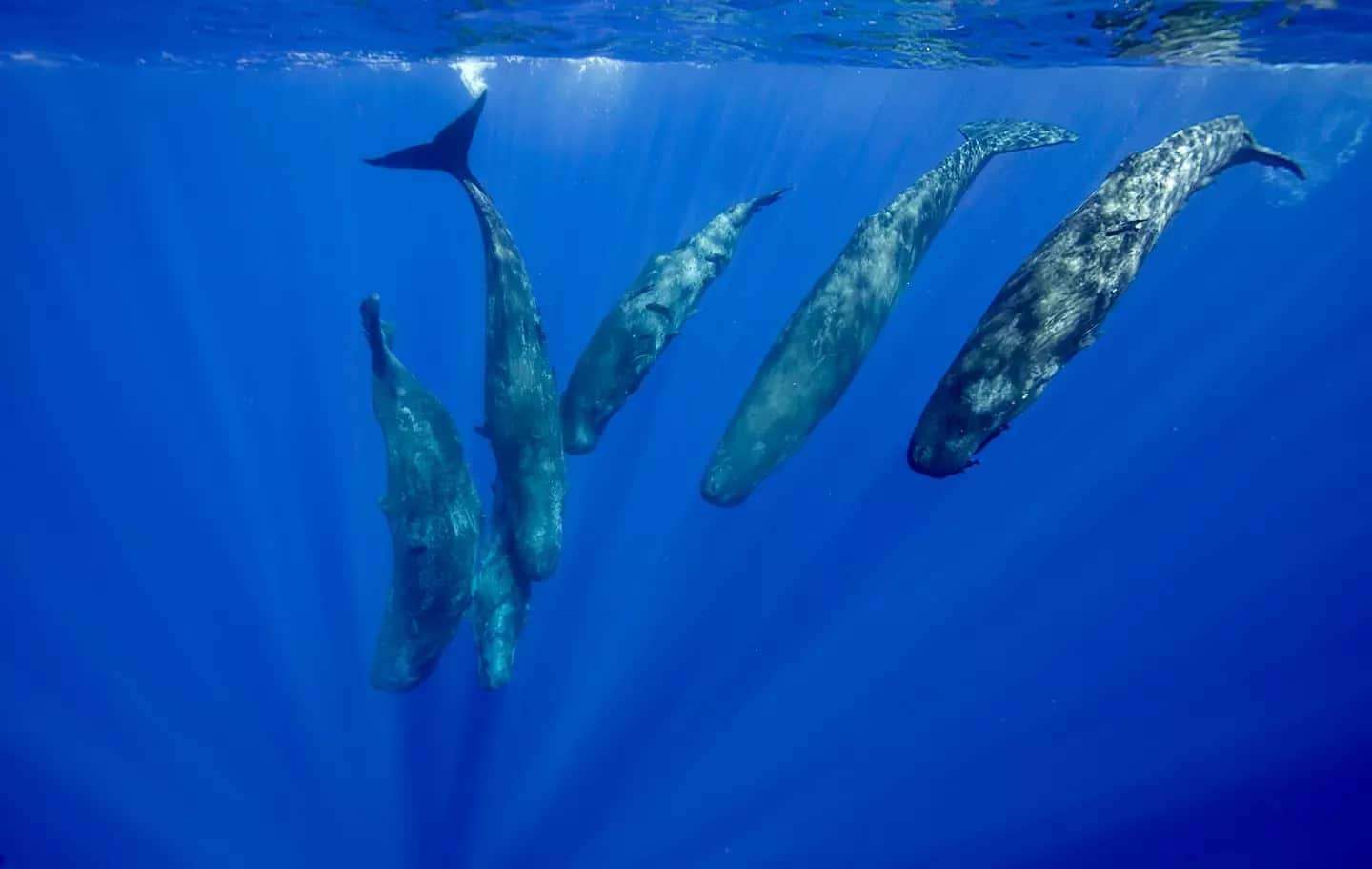
Over a seven-year period, scientists documented sperm whale vocalizations on more than 1,200 days, amassing invaluable data that allowed them to identify individual whales through their unique clicking patterns.
Decoding Deep-Sea Predator Behavior
The distinctive rhythm and pitch of each whale’s clicks reveal clues about its size, helping researchers differentiate between mature adults and younger individuals. This insight into the demographic makeup of whale groups provides crucial knowledge about their social organization and behaviors, supporting conservation efforts.
Tracking sperm whale movements also aids researchers aiming to protect marine ecosystems. As apex predators—often called the “tigers of the deep”—their well-being and activities serve as indicators of the overall health of ocean food chains.
Conservation Implications for a Vulnerable Species
Classified as vulnerable, the sperm whale’s survival depends on a thorough understanding of its habits and habitats. Disruptions to their populations or environment could have wide-reaching effects throughout marine ecosystems.
By monitoring these extraordinary creatures, scientists gain valuable insights that help shape protective measures designed to safeguard them from further threats. The distinctive clicks of sperm whales thus provide a fascinating glimpse into a hidden realm, emphasizing the deep sea’s complexity and fragility.
- Categories:
- Science












0 comments
Sign in to Comment