
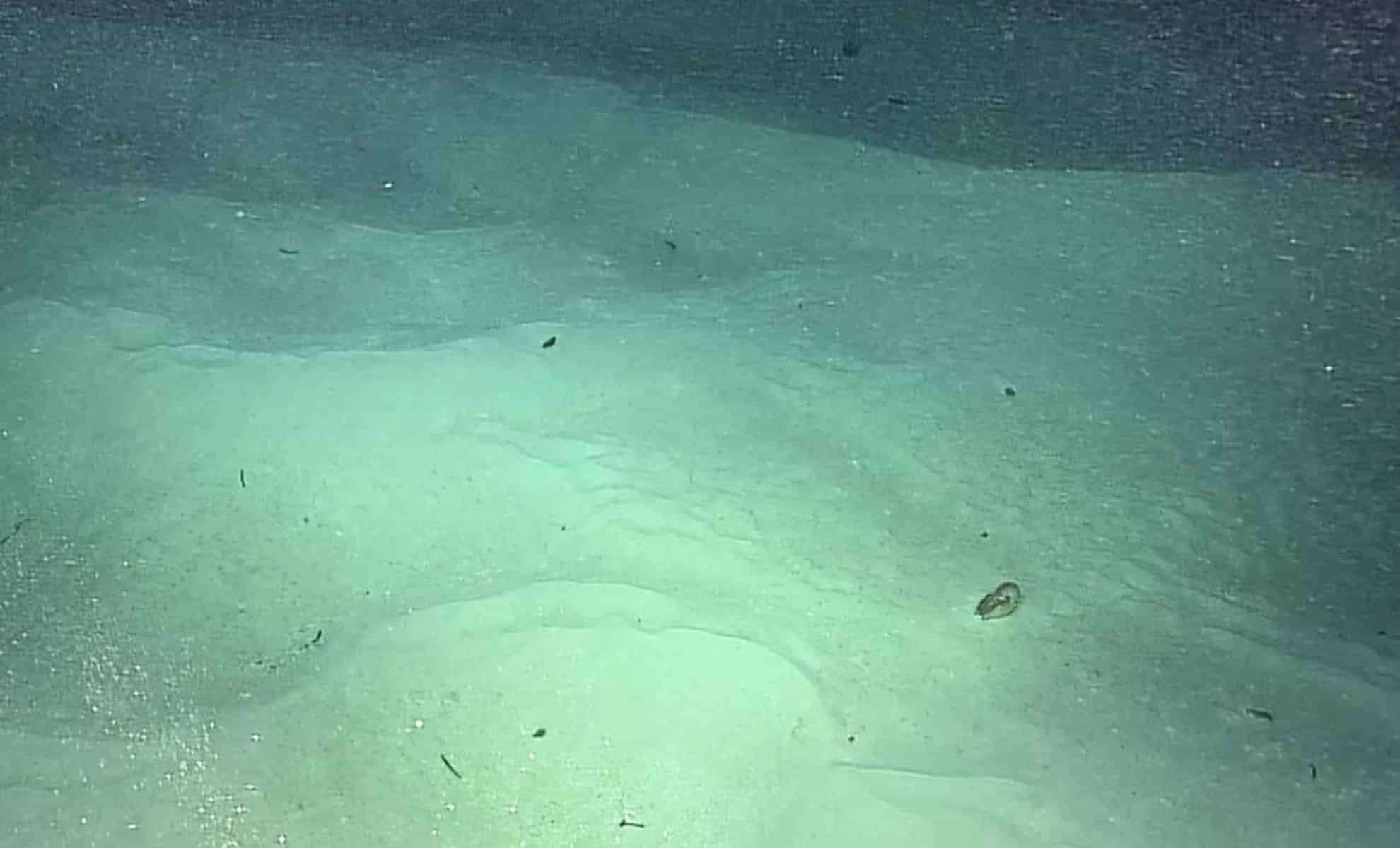
Scientists aboard the E/V Nautilus have recently achieved a groundbreaking feat after more than 15 years of dedicated exploration. Through over 1,000 remotely operated vehicle (ROV) dives in the deep waters of the Pacific Ocean near the Palau archipelago, the team successfully documented a Nautilus belauensis. This elusive creature, often called a living fossil, represents a pivotal discovery that enhances our knowledge of one of the ocean’s most ancient and primitive inhabitants.
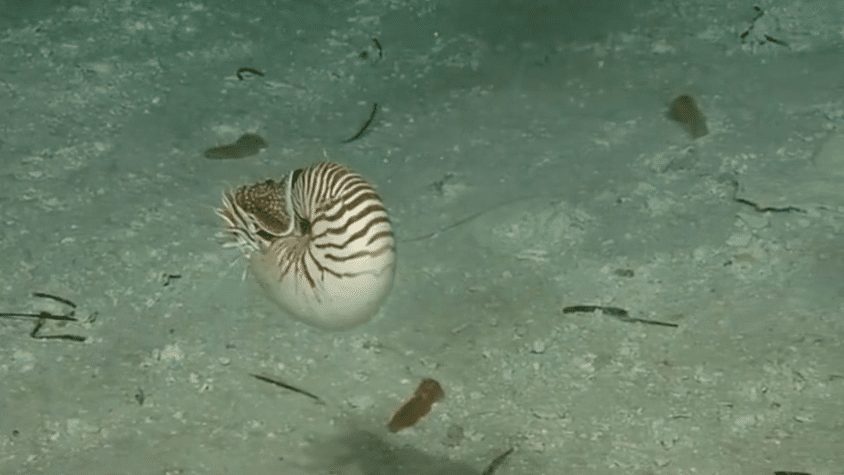
Nautilus belauensis, commonly referred to as the Palau nautilus, is a distinctive cephalopod renowned for its ornate, chambered shell. Its iconic spiral form and detailed structure serve as a living connection to prehistoric eras, showcasing a biological design and behaviors virtually unchanged for millions of years. While multiple nautilus species exist, the Palau variety is rare and notoriously difficult to study in natural environments.
A Long-Awaited Encounter
The moment of encountering the Palau nautilus was exhilarating for the E/V Nautilus research team. “Watching this unique creature on our first sighting was breathtaking,” recounts Jacob Ottaviani, the expedition's video engineer and documentarian. “The atmosphere was electric—everyone was filled with excitement and wonder, finally witnessing what we had all been hoping to see.”

Years of preparation and persistence culminated in this rare observation. Despite employing state-of-the-art technology, sightings remained infrequent, making this discovery a significant achievement. The mysterious habits of the nautilus combined with the formidable challenges of deep-sea surveys underscored the importance of this success.
The footage captured shows the nautilus propelling itself along the seabed using its distinctive jet propulsion. “It’s gliding smoothly,” noted a researcher as the shell shimmered softly against the ocean backdrop. This scene highlighted not only the crew’s dedication but also the remarkable capabilities of modern marine technology.
A Window into Earth’s Ancient Oceans
The nautilus stands as one of the earliest cephalopods still residing on our planet, with fossil records extending back more than 500 million years, predating the dinosaurs. The living species today closely resemble their ancient relatives, providing valuable insights into Earth’s evolutionary past.
Samantha Wishnak, leader of the expedition and operations coordinator at the Ocean Exploration Trust (OET), reflects, “Seeing a nautilus aboard the namesake vessel was phenomenal. Encountering a creature virtually unchanged since the dinosaur era is truly extraordinary.” Her words capture how the nautilus represents a biological time capsule with immense scientific significance.
The nautilus’s characteristic coiled, gas-filled shell allows for precise buoyancy control by adjusting gas volumes within its chambers, enabling it to navigate the water column efficiently — a design that has stood the test of time and evolutionary pressures for hundreds of millions of years.
Implications for Marine Science and Beyond
The observation of Nautilus belauensis offers profound insights that extend beyond taxonomy, shedding light on the mysteries of deep-sea ecosystems. Despite technological advances, much of the ocean remains unexplored, and elusive species like the nautilus remind us of the vast unknowns beneath the waves. Each new discovery offers clues about life's perseverance in extreme habitats and opens doors to finding even more unseen organisms.
Furthermore, this finding emphasizes the essential role of cutting-edge oceanographic technology. The ROVs deployed on the E/V Nautilus have transformed how scientists observe deep-sea creatures. Platforms like NautilusLive.org allow global audiences to share in the excitement of discovery as it unfolds.
Charting the Path Forward in Ocean Exploration
The sighting of the Palau nautilus marks a milestone in deep-sea research, prompting important dialogue about conserving fragile marine environments. As human presence expands in these remote habitats, balancing exploration with protection is an ongoing challenge. Responsible research and conservation strategies will be key to sustaining these ecosystems.
With continuous expeditions by vessels like the E/V Nautilus, hopes remain high that newfound knowledge will inspire stronger stewardship of our ocean’s depths. Understanding ancient species like the nautilus reveals the intrinsic value of preserving these mysterious marine worlds for generations to come.
Nautilus belauensis reminds us that the ocean is full of enduring secrets, and the spirit of discovery remains as vibrant as ever.










0 comments
Sign in to Comment