
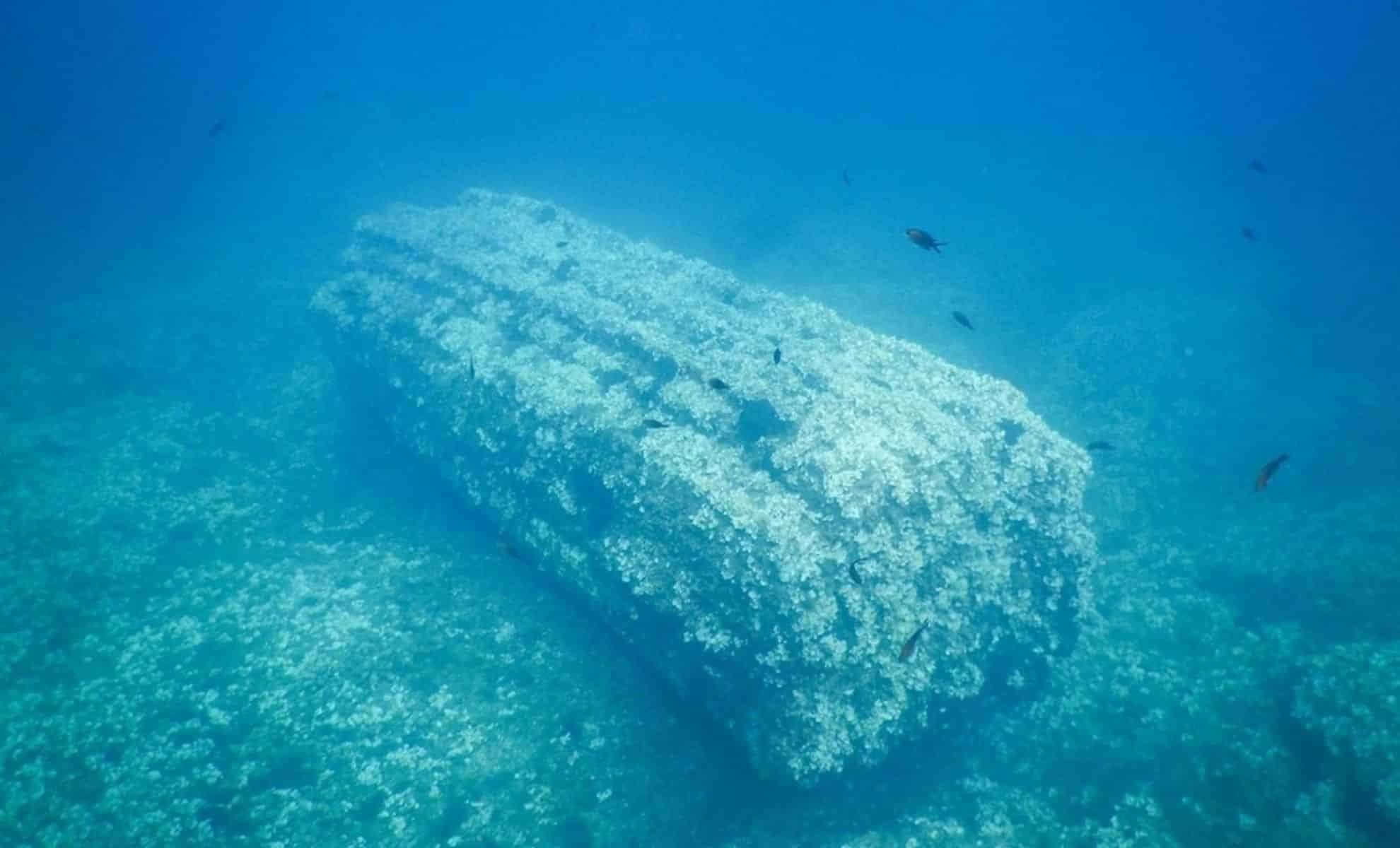
The iconic Lighthouse of Alexandria, a monumental beacon of the ancient era, is poised for a digital revival. Recent archaeological achievements are paving the way to preserve this extraordinary relic, celebrated as one of the Seven Wonders of the Ancient World. As part of the ongoing PHAROS initiative, twenty-two substantial stone blocks from the lighthouse have been meticulously lifted from the ocean floor. These architectural fragments—including entrance lintels and supports—were initially uncovered beneath the waves in 1968 and have been the subject of continuous exploration since the 1990s.
The Enduring Influence of the Lighthouse
Built around the 3rd century BCE during the reign of Ptolemy II Philadelphus, the Lighthouse of Alexandria symbolized both architectural brilliance and navigational safety. This formidable structure stood tall for more than a millennium, guiding vessels safely into Alexandria’s harbor in Egypt. Famous for its impressive height and luminous light, the lighthouse held strategic significance, particularly in times of warfare. First-century historian Josephus described it as emitting a “fire to such as sail within three hundred furlongs,” enabling ships to dock securely even amid hazardous waters.
The lighthouse was integral to ancient naval defense strategies. Julius Caesar highlighted its crucial position, mentioning in his writings on the Civil Wars that “because of the narrowness of the strait, there can be no access by ship to the harbour without the consent of those who hold the Pharos.” Control of the lighthouse meant control over harbor entry.

Bringing the Lighthouse Back to Life with Digital Tools
As detailed by Popular Mechanics, the PHAROS project aims to digitally rebuild the lighthouse, creating a virtual replica that will enable expert study beyond previous limits. The vision is to develop a digital twin allowing engineers and historians to investigate its architectural design, structural mechanics, and the factors contributing to its eventual destruction. This virtual reconstruction promises insights into the lighthouse’s construction and how it remained standing for more than 1,600 years before succumbing to ruin.
The methodology begins with precise 3D scanning of the recovered stone blocks. These comprehensive scans will be integrated with a decade’s worth of data from hundreds of submerged fragments already digitized. Detailed examination of the masonry and building techniques aims to reveal the lighthouse’s exceptional durability secrets.
Advancing the PHAROS Initiative
The forthcoming phase of the PHAROS project goes beyond documentation. Collaborating with the Dassault Systèmes Foundation and various universities, the team will analyze the collected data rigorously. Once assembled, the digital components will be placed into their assumed original locations within the lighthouse’s design, offering a thorough understanding of its engineering and historical importance. This sophisticated, data-driven model will be accessible both to scholars and the wider public.
For researchers and historians, this digital revival opens a new chapter: the chance to virtually inspect a marvel of the ancient world. Through this innovative approach, the Lighthouse of Alexandria is set to shine once more—not as a physical structure, but as an enduring symbol of human creativity and heritage.
- Categories:
- News









0 comments
Sign in to Comment