
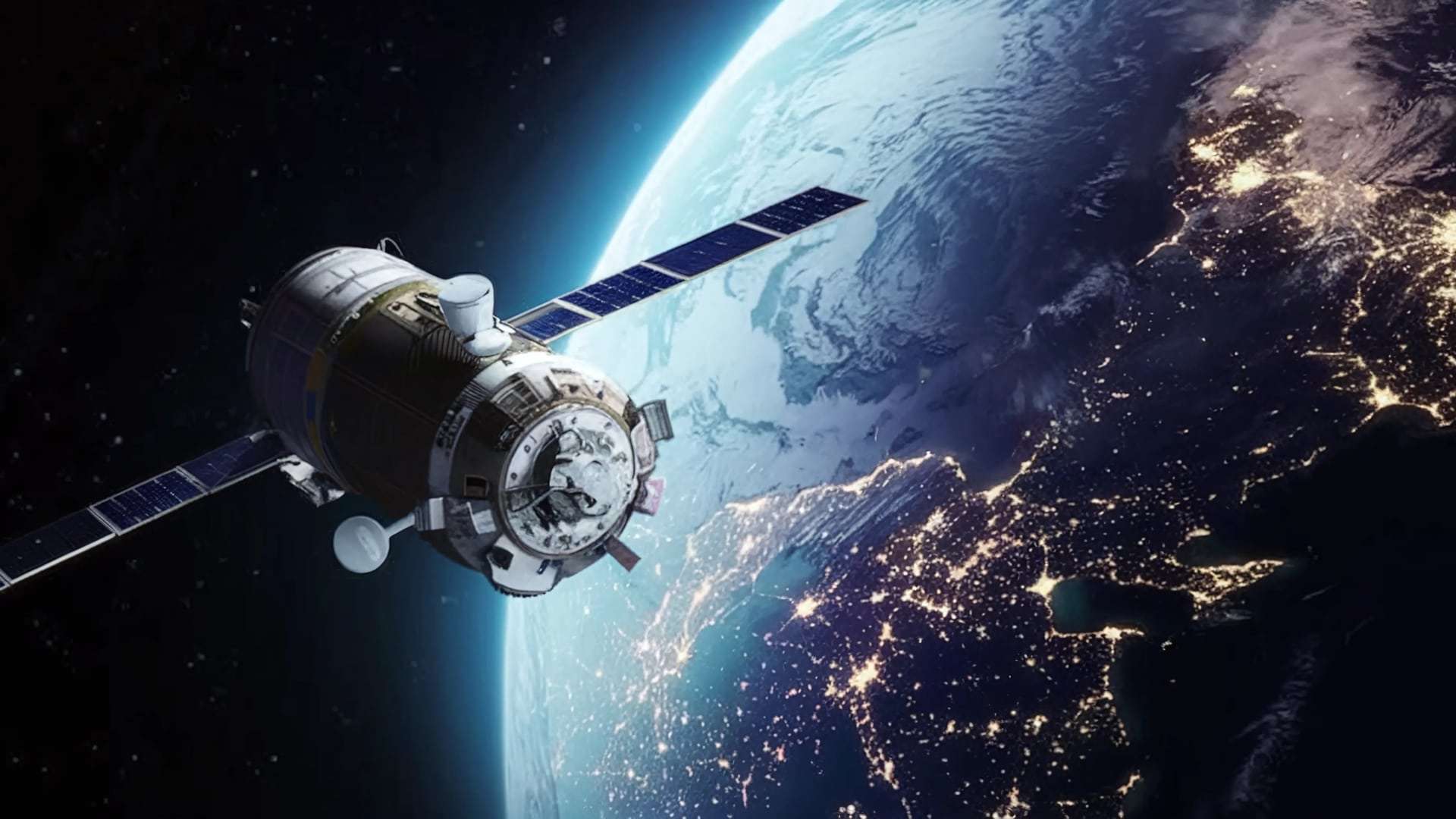
A pioneering technology promises to transform satellite launches by eliminating the need for conventional rocket fuel. Created by California-based SpinLaunch, this cutting-edge system employs an enormous rotating arm to hurl satellites into orbit using kinetic energy, offering a greener and more affordable launch option. This approach could greatly reduce costs and environmental impact while changing how satellites reach space.
How SpinLaunch’s Mechanism Operates
Unlike traditional rockets that consume vast quantities of fuel resulting in high expenses and environmental harm, SpinLaunch utilizes a distinct strategy. Rockets typically emit substantial carbon pollutants and damage the ozone layer during launch, raising ecological concerns.
SpinLaunch employs a powerful centrifuge encased in a vacuum chamber, where a large arm spins satellites at tremendous speeds before release. Powered solely by electricity, this method is far more sustainable than burning rocket propellants.

Core Elements of the SpinLaunch Technology
- Vacuum-sealed spinning chamber – The central component is a rotating arm within a vacuum environment designed to eliminate drag and maximize launch velocity.
- Rapid release mechanism – Satellites are securely held until reaching velocities over 5,000 mph, then launched at extreme speeds into space.
- Durable payload design – Satellites must withstand intense acceleration forces up to 10,000 Gs, far exceeding those experienced in typical rocket launches.
- Auxiliary propulsion – A small onboard rocket system may be used for fine-tuning the satellite’s orbit after initial launch.
After release, satellites accelerate to supersonic speeds, quickly departing the launch apparatus. Test videos show satellites becoming almost invisible as they shoot from the launcher.
Successful Testing and Collaborations
SpinLaunch has completed several successful trials at its New Mexico site, demonstrating reliable, repeatable launches. Within just 11 months, the company achieved ten launches, a notable accomplishment for emerging space technologies.
Founder and CEO Jonathan Yaney highlighted the consistent success of the tests. The company aims to deploy satellite networks into low Earth orbit (under 600 miles altitude) by 2026, expanding access to space.
Prominent collaborators like NASA, Airbus, and Cornell University have contributed funding and expertise, supporting tests with diverse payloads. These trials confirmed satellites maintain full operability despite enduring forces 10,000 times Earth's gravity, proving the technology’s practical viability.
Economic and Environmental Impact
One of the biggest benefits of SpinLaunch's approach is its promise to cut the financial and ecological costs of launching satellites.
SpaceX's Falcon 9, for instance, consumes more than 900,000 pounds of fuel per launch. Although reusable rockets have improved economics, space travel remains costly and resource-heavy. SpinLaunch’s reliance on electric power instead of fuel could:
- Significantly reduce launch expenses for small satellite operators, enhancing space accessibility.
- Lower pollution levels linked to rocket propellant combustion and chemical emissions.
- Support more frequent launches due to decreased costs and logistical simplicity.
Moreover, the system helps protect the ozone layer, as traditional rocket emissions contribute to ozone depletion, which intensifies harmful solar radiation exposure. SpinLaunch’s fuel-free method sidesteps such environmental damage while enabling high-altitude deployments.
Technical Challenges and Constraints
Despite its advantages, SpinLaunch encounters notable engineering hurdles.
1. Managing intense acceleration forces
Ensuring satellites endure the extreme G-forces during launch is a significant obstacle. Specialized payloads must be developed since most spacecraft aren’t built for such turbulent acceleration.
2. Payload size limitations
At present, the system is tailored for smaller satellite payloads, aligning with current trends in miniaturized space tech but limiting its capability for larger or crewed missions.
3. Precision of orbital placement
Because projectiles rely heavily on kinetic energy, small onboard rocket engines remain necessary to make precise orbital adjustments, meaning propulsion is reduced but not entirely eliminated.
4. Human spaceflight restrictions
Due to extreme acceleration forces, SpinLaunch currently isn’t suited for carrying astronauts, as the G-loads exceed human tolerance.
The Emerging Era of Kinetic Satellite Launches
SpinLaunch heralds a significant departure from traditional space launch methods. If scaled up effectively, it could transform the industry by providing a faster, cheaper, and more eco-friendly way to reach orbit.
Plans to develop a coastal orbital launch facility are underway to enable full-scale commercial satellite deployments, a key step for validating the system’s long-term potential.
Beyond SpinLaunch, numerous entities are advancing novel launch strategies, including:
- Reusable rockets (SpaceX, Blue Origin)
- Air-launched satellites (Virgin Orbit's LauncherOne)
- 3D-printed rockets (Relativity Space)
- Experimental laser and microwave propulsion
As launch technologies evolve, kinetic systems like SpinLaunch could become instrumental in making space access quicker, cleaner, and more cost-effective.
- Categories:
- Space









0 comments
Sign in to Comment