
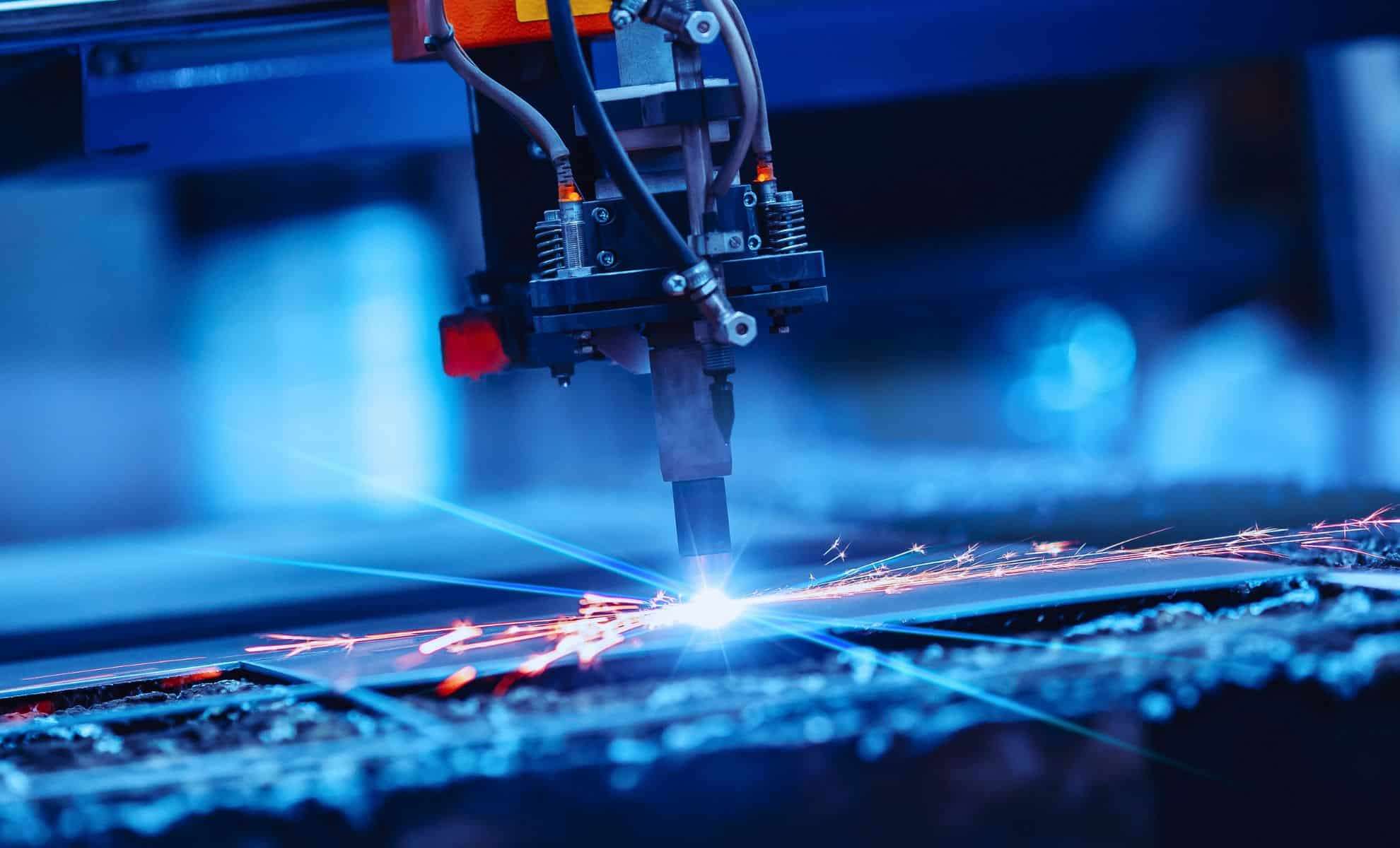
Near Marble Falls, Texas, a novel drilling technique powered by intense energy rather than traditional mechanics is making headway through solid granite. According to a September 20, 2025 report by the French outlet Media24, this test represents a significant leap in deep geothermal technology crafted by the American startup Quaise Energy.
The core of this breakthrough lies in a device called a gyrotron that emits millimeter-wave radiation capable of turning rock into vapor. If mastered on a larger scale, this method could unleash an immense reservoir of clean energy located deep underground.
Innovative Access to Earth’s Heat
On September 4, Quaise Energy’s team demonstrated their approach by piercing 118 meters into granite using focused electromagnetic energy. Unlike conventional drills that rely on physical grinding or boring, their technology excites rock molecules until they evaporate, creating passageways without direct contact.

The borehole walls were remarkably smooth and free of any debris, resembling surfaces crafted by precision industrial machinery rather than mechanical drilling. Visual inspections confirmed a sharp and clean transition from soil to granite, emphasizing the process’s precision and cleanliness.
Speeding Past Traditional Methods
现场技术人员注意到,这项新技术实现了每小时高达5米的穿透速度,比普通机械钻探在相似岩石中的速度快了约50倍。常规钻探因摩擦和设备磨损往往只能达到每小时10厘米。此前在休斯顿附近进行的测试也取得了每小时12米的成绩,突显了该系统的巨大潜力。
Delivering Power Without Grid Overhauls
Quaise Energy aims beyond rapid drilling. Their vision includes converting decommissioned fossil fuel power plants into geothermal energy stations by replacing their coal or gas boilers with wells that tap into Earth’s heat. These sites already possess key infrastructure like electrical connections and cooling setups, enabling a streamlined transition to renewable energy without rebuilding.
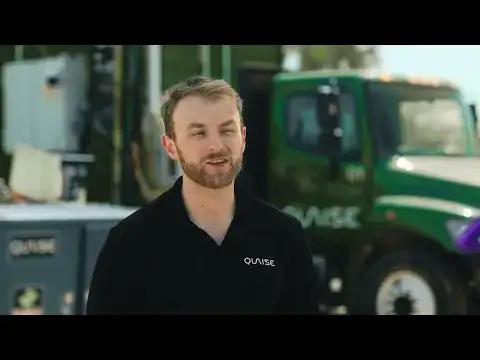
“Quaise is not a drilling company,” said CEO Carlos Araque. “It’s an energy company. We aim to make geothermal the workhorse of the energy transition, and we won’t stop until we succeed.”
Repurposing old coal plants is advantageous because they are easily accessible, stable, and linked to power grids, making the shift to geothermal more cost-effective and faster than creating green energy sites from scratch.
Unlocking a Vast and Sustainable Energy Reservoir
Temperatures between 400 and 500 degrees Celsius exist just a few kilometers below the Earth’s crust, sufficient to generate superheated steam ideal for driving turbines. This geothermal heat presents a steady, emission-free electricity source, yet remains largely underexploited.
The International Energy Agency calculates that thermal energy stored within the first ten kilometers beneath the surface could satisfy global energy needs more than 50,000 times over. Despite this, geothermal energy contributes only about 0.5% of worldwide electricity, concentrated in limited regions due to the challenges and costs of deep drilling—a barrier Quaise’s gyrotron technology promises to overcome.
Currently, geothermal power is prevalent in countries like Iceland, Kenya, and parts of the western United States, with applications also supporting urban heat networks in France. The IEA projects geothermal’s contribution to global electricity could grow to 8-10% by 2050. Quaise plans to drill as deep as seven kilometers, expanding geothermal’s reach to become a dependable, round-the-clock global energy source.





0 comments
Sign in to Comment