
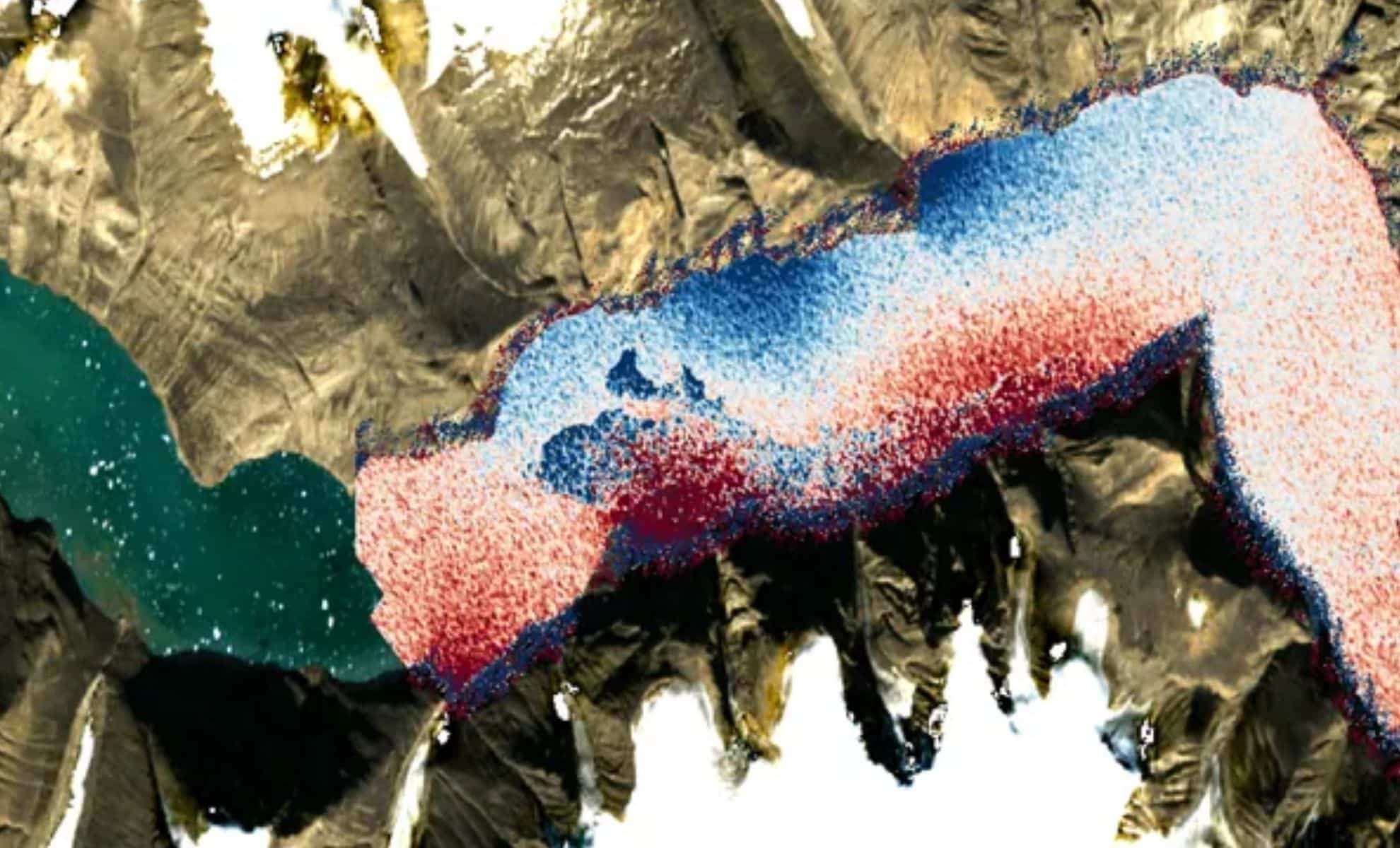
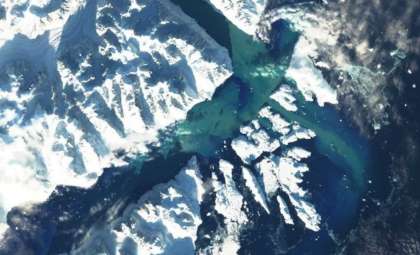
In 2023, a series of massive mega-tsunamis struck an East Greenland fjord repeatedly over nine days, sending powerful seismic waves detectable across the planet. Scientists were initially baffled by this phenomenon until advanced satellite technology provided direct evidence linking the cause to enormous landslides triggered by glacier melting due to climate change. Published in Nature Communications, these results reveal a previously unknown type of seismic activity, altering our comprehension of ocean behaviors in isolated polar environments.
Extended Mega-Tsunamis That Shook the Globe
This series of mega-tsunamis took place in Dickson Fjord in East Greenland, generating waves reaching up to 650 feet (200 meters) tall—around half the height of New York's Empire State Building. Known as seiches, these waves oscillated within the narrow fjord for more than a week, producing continuous seismic signals around the world. Initial investigations traced the cause to large-scale landslides caused by retreating glaciers, a direct effect of climate warming. This repeated water movement unleashed seismic vibrations globally, a scale of activity never observed before.
Satellite Innovations Unlocking the Mystery
The key discovery was made using data from the Surface Water and Ocean Topography (SWOT) satellite, launched in December 2022 through a collaboration between NASA and CNES. Unlike earlier satellites limited in scope, SWOT employs a Ka-band Radar Interferometer capable of precisely measuring water height over extensive regions. This advanced capability captured two enormous waves traveling in opposite directions in the fjord, conclusively confirming the mega-tsunami event. Thomas Monahan, lead author from the University of Oxford, highlighted that “climate change is driving unprecedented natural extremes,” especially in remote Arctic locations that conventional sensors cannot adequately monitor. This finding underscores the power of next-gen satellite technology in uncovering concealed environmental processes.

New Perspectives on Climate-Driven Coastal Hazards
Identifying these mega-tsunamis provides vital insights into how climate change is generating novel natural hazards. Melting Arctic glaciers not only contribute to rising sea levels but also trigger unexpected oceanic and seismic activities unknown until now. Co-author and engineering professor Thomas Adcock from Oxford noted, “This research exemplifies how emerging satellite datasets can explain phenomena previously deemed enigmatic.” These findings pave the way for enhanced forecasting and comprehension of extreme occurrences such as tsunamis, storm surges, and rogue waves, which may increase in frequency and severity as climate change intensifies.
- Categories:
- News



0 comments
Sign in to Comment