

Tropical Storm Debby, originally a Category 1 hurricane upon landfall, has unleashed extreme weather conditions across the East Coast.
Storm Overview and Current Situation
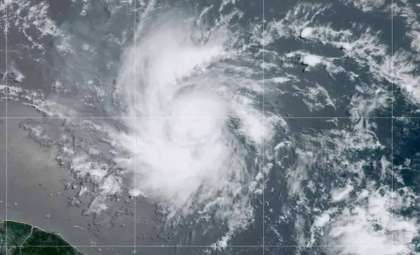
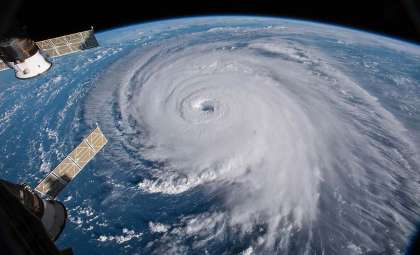
Tropical Storm Debby remains a major threat along the East Coast. After making landfall along Florida’s Gulf Coast, the storm has tracked into the Atlantic Ocean, regaining strength and impacting coastal regions of the Carolinas.
Forecasters predict a second landfall near the area between Myrtle Beach and Charleston, South Carolina. The National Hurricane Center has issued urgent alerts for potential life-threatening flooding, dangerous winds, and tornado activity. With Debby’s slow pace and chances of intensifying again, emergency responders remain vigilant, and local communities are maintaining heightened readiness.

Consequences for Coastal Communities
Torrential Rainfall and Severe Flooding
Coastal cities in Georgia and South Carolina have experienced over a foot of rain, leading to critical flooding conditions that have submerged streets and homes under waist-deep water.
The National Weather Service forecasts up to 9 more inches of rain in southeastern North Carolina, a region heavily affected by previous hurricanes like Matthew and Florence. Several rivers are swelling beyond moderate to major flood stages, posing challenges for recovery operations that could extend for weeks.
With saturated soil and rising waterways, floodwaters are retreating slowly, exacerbating the situation.
Officials urge residents to remain indoors and avoid traveling through flooded zones, given the high danger of becoming stranded in vehicles. Emergency teams are actively working around the clock to respond to distress calls and conduct evacuations where necessary.

Tornadoes and Wind Destruction
Debby has spawned multiple tornadoes, damaging structures and utilities. Tornado sightings have been reported on Kiawah Island and Edisto Island in South Carolina, accompanied by an extended tornado watch along the Carolinas’ coastline.
The tornadoes have led to extensive property damage, including the destruction of some homes and downed power lines. Beyond tornadoes, fierce winds from the storm have caused widespread outages and further property damage.
More than 45,000 households and businesses in Florida remain without electricity, and similar disruptions are expected as Debby advances north.
Strong gusts have also caused numerous trees to fall, blocking roadways and complicating rescue operations. Utility crews are tirelessly working to restore service, but many may face days without power due to the damage.
Local Responses and Safety Measures
In Charleston, South Carolina, authorities have enforced a curfew to deter reckless behavior on flooded streets. In Savannah, Georgia, flooding has necessitated boat evacuations and supply deliveries by firefighters.
Officials from Mount Pleasant, South Carolina report overwhelmed drainage infrastructure, with further assessments planned once floodwaters recede. Local governments have established emergency shelters and are coordinating with state and federal agencies to provide necessary aid for affected residents.
Community volunteers have mobilized to support sandbagging efforts and distribute essentials like food and water, illustrating the communities' resilience and unity amid the crisis.
Wider Impacts and Projected Path
Effects Extending to the Northeast
Debby’s influence extends beyond the Southeast, intensifying rainfall in the Northeast, including cities such as New York City and Philadelphia.
Flash flood advisories are in effect, and additional rainfall is forecasted for the Mid-Atlantic and New England regions as the storm travels northward.
The state of Virginia has declared an emergency preemptively. The heavy precipitation is disrupting transportation networks, causing delays and cancellations.
Organizations and schools are closing in response to mounting flood concerns, while residents are advised to stay alert for possible evacuation notices.
Climate Change and Intensifying Storms
Meteorological experts attribute Debby’s rapid strengthening to near-record warm temperatures in the Gulf of Mexico, linked to climate change.
This warming trend results in storms that are more intense and rain-laden. The National Hurricane Center forecasts an above-average hurricane season with elevated storm activity expected.
This pattern highlights the urgent need for measures addressing climate change to reduce the growing severity of hurricanes and related weather hazards.
The correlation between rising ocean temperatures and stronger storms underscores the critical importance of global collaboration to safeguard vulnerable populations and ecosystems.
- Categories:
- News ,
- Climate change










0 comments
Sign in to Comment