
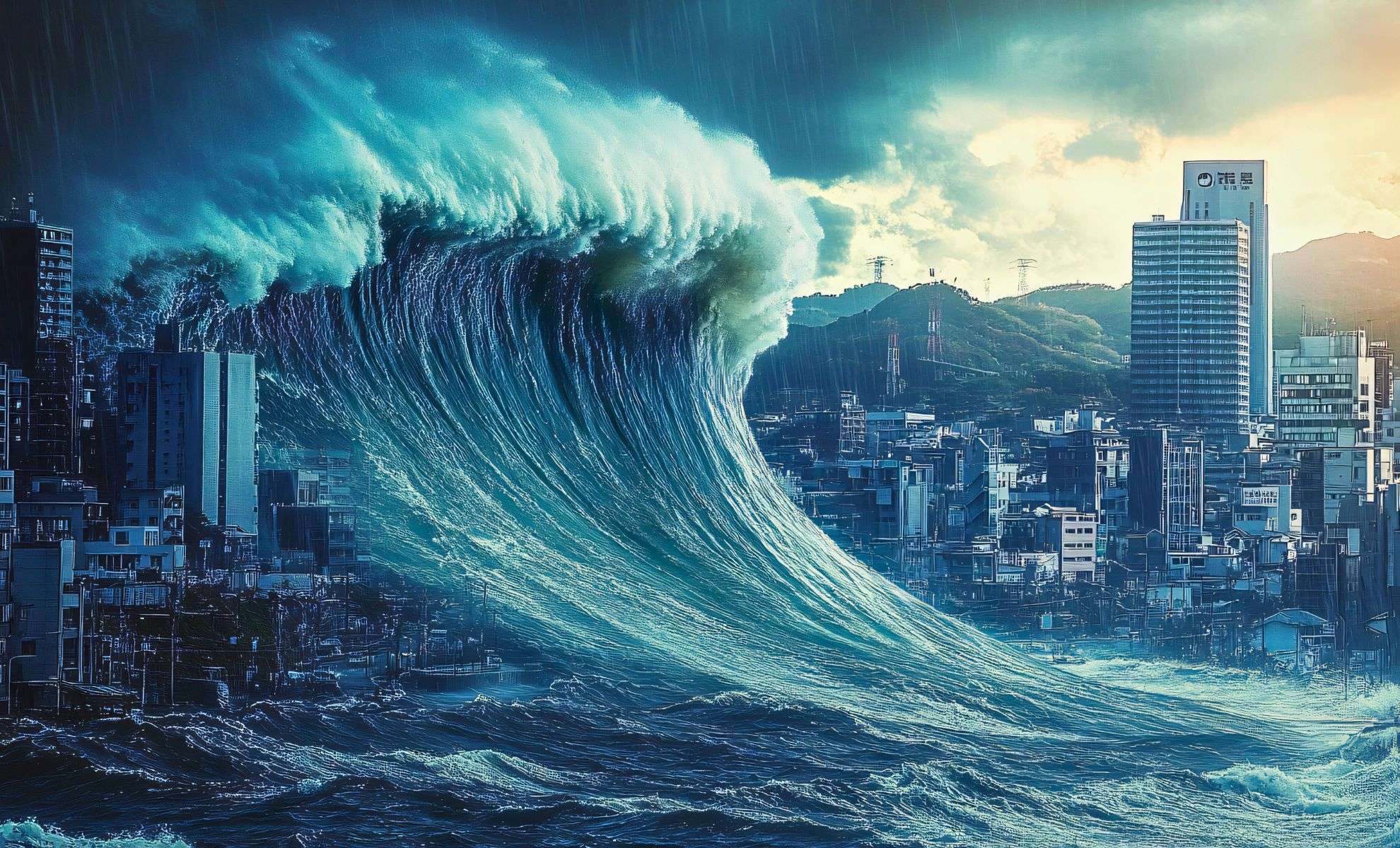
An immense wave, potentially soaring to heights of 1,000 feet, could speed across the ocean at tremendous velocities and wreak havoc on coastal regions. As reported by Dailymail UK, these mega-tsunamis differ significantly from typical earthquake-induced tsunamis, typically being triggered by colossal landslides or volcanic collapses. Areas such as Alaska, Hawaii, and the US West Coast are particularly vulnerable due to their geological instability and proximity to seismic hotspots.
A prominent concern centers on the Cumbre Vieja volcano located on the Canary Island of La Palma. Research from 2001 by Dr. Simon Day and Steven Ward warned that if the volcano’s western flank were to fail, it could unleash a staggering 120 cubic miles of rock into the Atlantic Ocean. This collapse could trigger a mega-tsunami reaching 2,000 feet at its origin, diminishing yet still towering at 150 feet upon reaching the American coastline. This potential disaster was dramatized in the Netflix series La Palma, highlighting the peril faced by communities on the US East Coast.
Alaska: Home to the Tallest Recorded Mega-Tsunami and Growing Hazards
On July 9, 1958, Alaska’s Lituya Bay experienced the highest tsunami ever documented. An earthquake instigated a huge landslide at Gilbert Inlet, hurling about 90 million tons of rock measuring approximately 2,400 feet by 3,000 feet into the bay. NASA equates this to eight million dump truck loads crashing simultaneously, producing a wave towering 1,719 feet.

Eyewitnesses reported a deafening “boom” as icy waves swept lighthouses away and stripped the forest bare. One fisherman’s vessel was lifted so high that he could see treetops from above; tragically, a couple vanished amidst the catastrophe. The quake dislodged vast amounts of rock from steep cliffs, displacing seawater and generating the colossal wave.
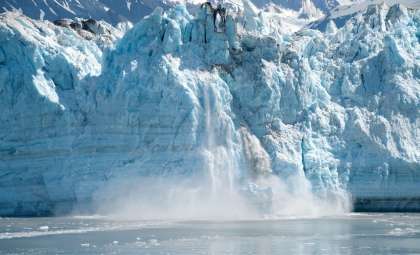
Alaska’s rugged topography and frequent seismic activity continue to create landslide risks. Climate-driven glacier melt accelerates slope destabilization. In 2020, fourteen researchers cautioned that the retreat of Barry Glacier might soon trigger a massive rockslide into Harriman Fiord, possibly causing a tsunami comparable to the 1958 event. Steve Masterman, head of Alaska’s Geological Survey division, stressed that “such events are becoming more probable as temperatures rise.”
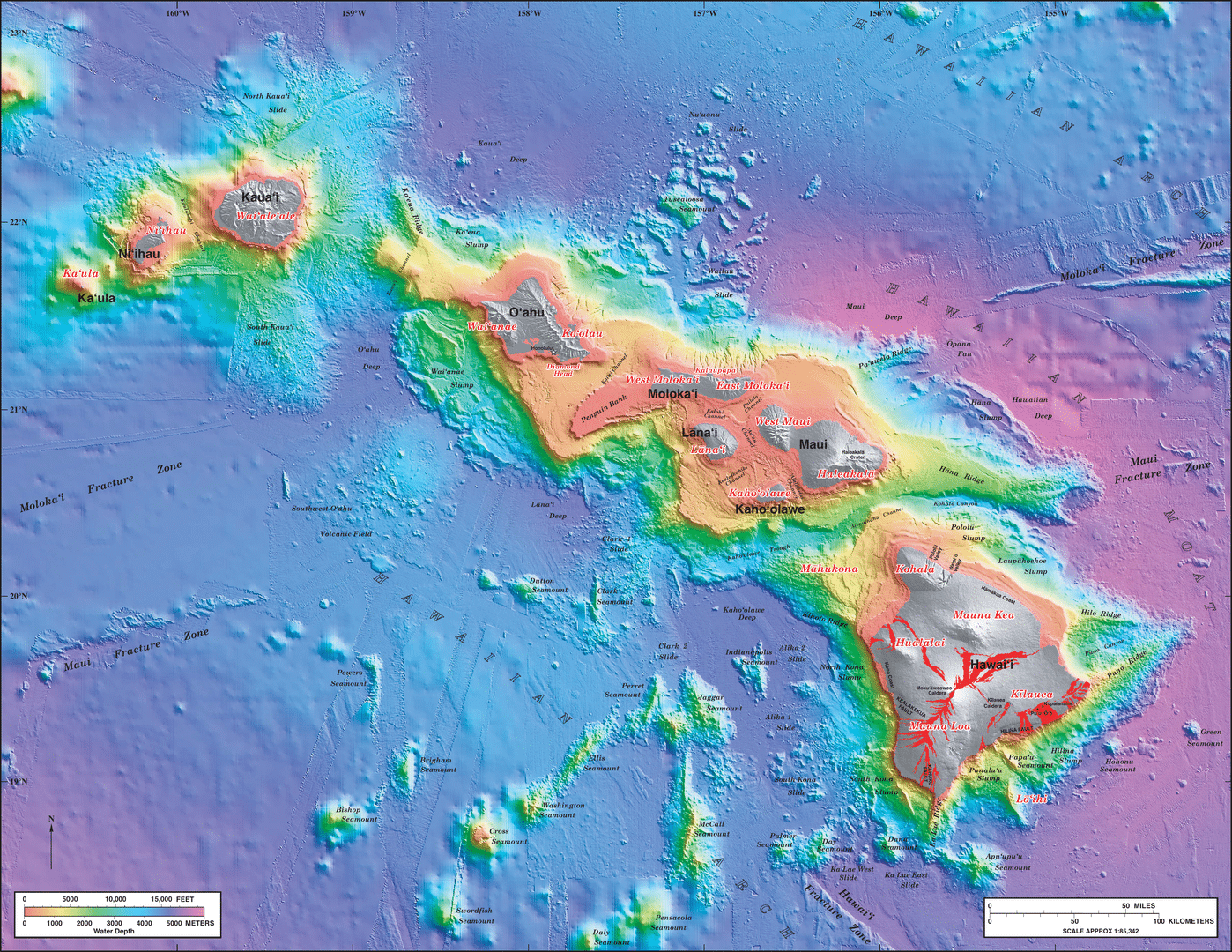
Hawaii’s Volcanic Terrain and History of Gigantic Tsunamis
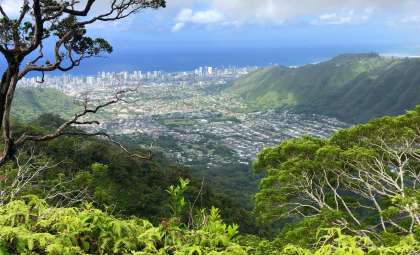
The volcanic nature of Hawaii has led to gigantic waves stemming from volcanic collapses in the past. Approximately 105,000 years ago, a wave estimated at 1,000 feet battered the island of Lanai, with marine fossil deposits discovered at high elevations. Scientists link this occurrence to a massive volcanic landslide akin to the Cumbre Vieja event.
Another instance is the massive Nu’uanu slide, which sent vast quantities of rock into the ocean, generating waves reaching 300 feet and drastically reshaping coastlines. The islands' steep volcanic slopes remain susceptible to sudden collapse during seismic events or eruptions. Recent volcanic activity, such as the months-long eruption of Kīlauea that concluded on May 6, compounds this risk.
Experts from Penn State caution that these unstable landforms could collapse again, unleashing enormous waves. Both residents and tourists are advised to remain vigilant for tsunami alerts and evacuation directives due to persistent geological hazards.
Pacific Northwest and the Cascadia Subduction Zone's Danger
On January 26, 1700, a magnitude 9 earthquake struck along the Cascadia Subduction Zone, producing a mega-tsunami that eradicated the village of Pachena Bay on the West Coast. Waves up to 100 feet slammed shore less than 30 minutes post-quake, resulting in no survivors. Huu-ay-aht Chief Louis Clamhouse recalled, “The land shook at night… they had no time to escape. All drowned.” The quake also submerged coastal forests into tidal zones, creating “ghost forests” visible today. This tsunami was linked to a then-mysterious wave recorded in Japan.
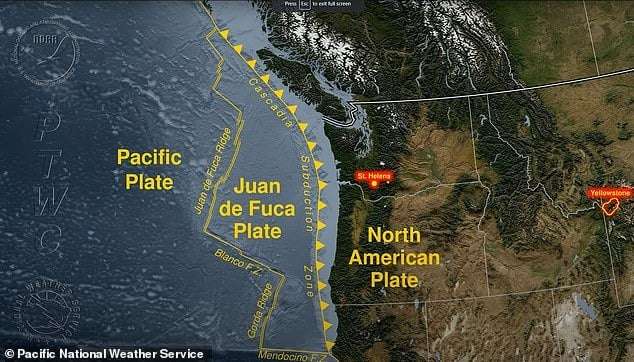
Unlike tsunamis caused by landslides, the Cascadia event originated from one tectonic plate sliding beneath another, displacing enormous ocean volumes. This incident shows just how extensive the impact of such waves can be. The US Geological Survey and FEMA project a 37% chance of a major 8 to 9 magnitude quake occurring in the Cascadia zone in the next half-century. Comparable disasters could produce waves akin to the 2011 Tohoku tsunami in Japan, which resulted in nearly 16,000 deaths. Coastal towns like Tillamook, Astoria, and Newport face risks of flooding and land subsidence.
Geological volatility and environmental shifts in Alaska, Hawaii, and along the West Coast increase their vulnerability to future mega-tsunamis. Continued surveillance and enhanced emergency readiness efforts strive to lessen potential damage, though the danger from landslides, volcanic failures, and powerful earthquakes persists.
- Categories:
- News

0 comments
Sign in to Comment