
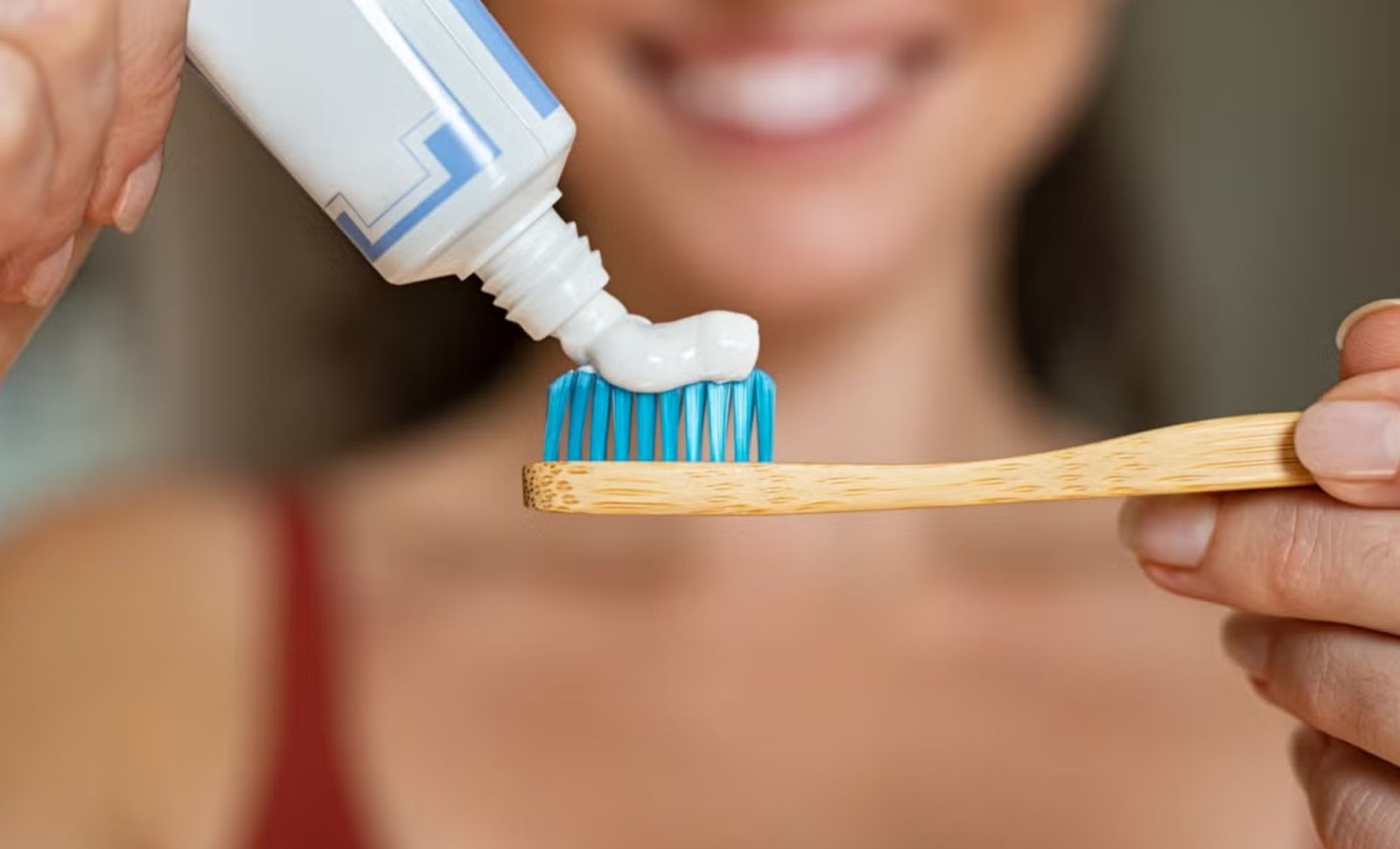
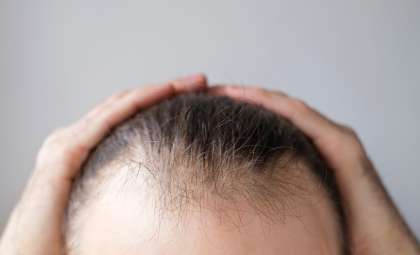
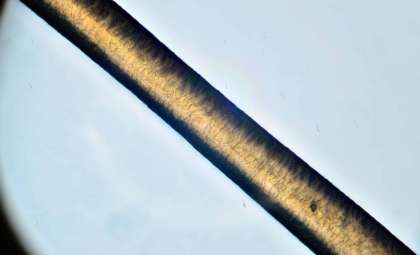
Scientists at King’s College London have created an innovative toothpaste that utilizes keratin—a protein found in hair and wool—to potentially regenerate tooth enamel naturally. If proven effective in human studies, this breakthrough could offer a more natural, less invasive alternative to traditional dental treatments.
Traditional cavity treatment has long involved drilling out decayed parts of teeth and filling them with synthetic substances. However, this approach only mechanically repairs damage and doesn't address the biological loss of enamel—the hardest yet non-repairing material in the human body. This new scientific advancement focuses on stimulating enamel regrowth rather than just covering the damage.
Keratin-Based Scaffold Mimics Natural Enamel Growth
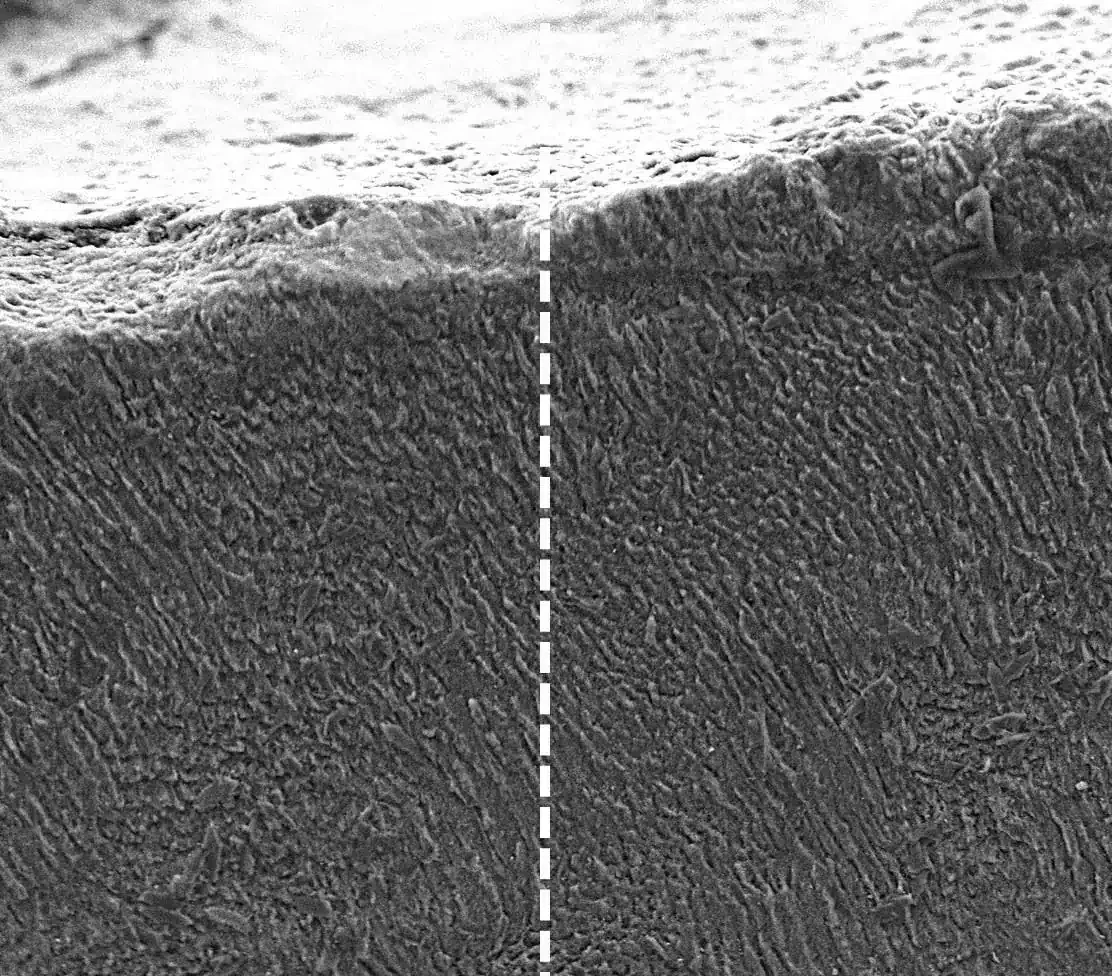
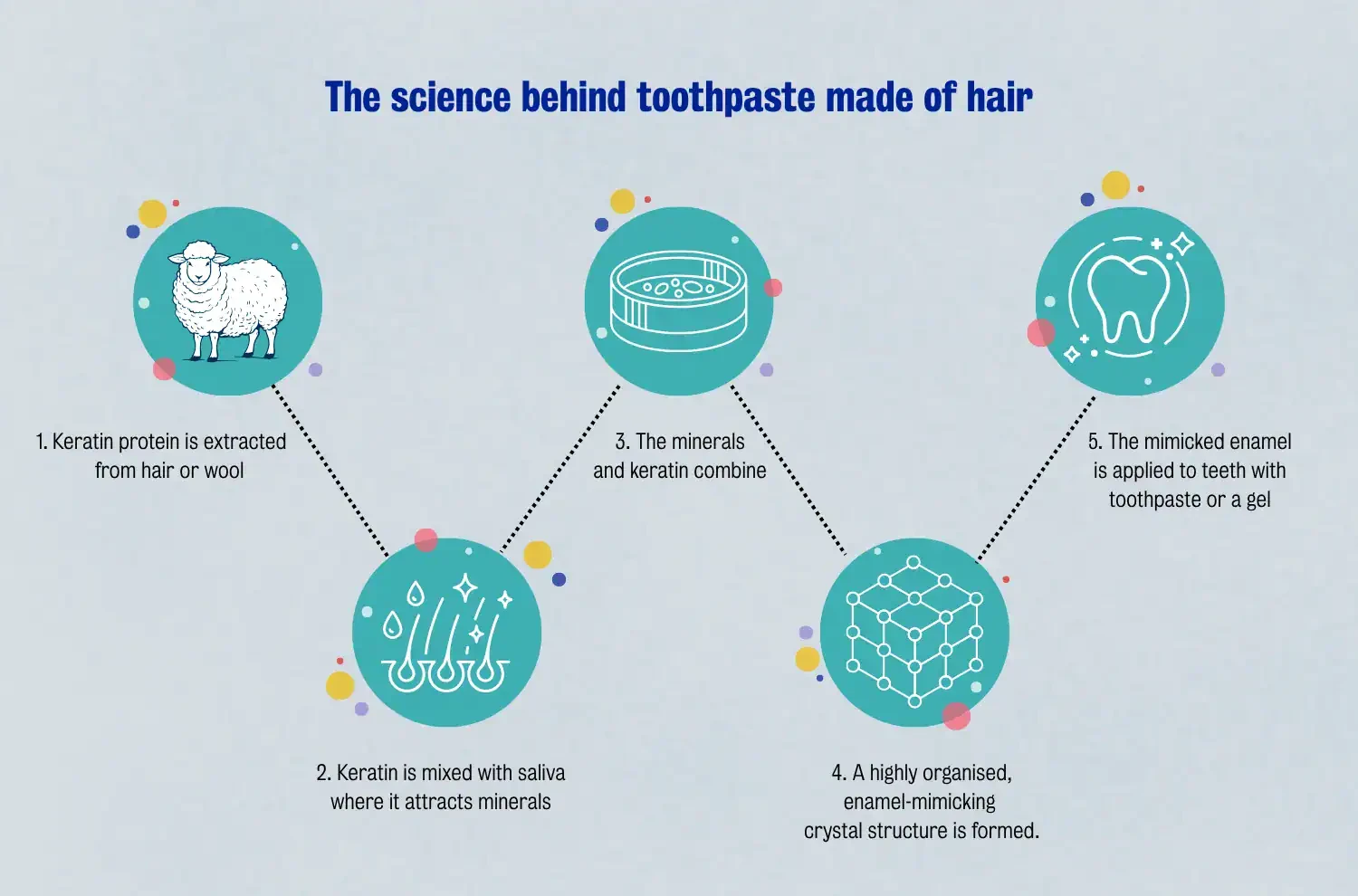
The team developed a keratin-derived material designed to form radial crystalline patterns similar to those found in natural tooth development. When this substance is applied to incipient enamel damage, it functions as a framework that attracts calcium and phosphate ions, promoting their deposition into needle-shaped crystals that resemble the key structural units of natural enamel.

Laboratory experiments revealed that after just one month, specimens coated with the keratin film exhibited a densely packed mineral layer with mechanical and structural features close to healthy enamel. While not identical, this new surface shows comparable strength according to the paper published in Advanced Healthcare Materials.
Dr. Sherif Elsharkawy, prosthodontics consultant at King’s College London and lead researcher, emphasized:
“Unlike bones and hair, enamel does not regenerate. Once it is lost, it’s gone forever.”
Transforming Wool Waste Into Dental Care
The keratin used in this toothpaste is sourced from biological waste like sheep wool. The researchers converted this raw material into a flexible, water-based film that is both safe for oral use and biocompatible. Unlike conventional dental materials, it contains no plastic additives or harsh chemicals.
Sara Gamea, a PhD candidate at King’s College London and the study’s primary author, explained in ZME Science:
“Keratin offers a transformative alternative to current dental treatments.” Additionally, it may better match natural tooth coloration.
By utilizing waste proteins, the team aims not only to develop a product that is clinically beneficial but also environmentally sustainable.
Preparing for Clinical Testing
The toothpaste has demonstrated encouraging effects in controlled laboratory trials using enamel samples with early damage.
The next step involves clinical trials with human participants to verify if the regenerated enamel layer can endure the complex conditions inside the mouth. Dr. Elsharkawy stated:
the broader ambition is to usher in “ an exciting era where biotechnology allows us to not just treat symptoms but restore biological function using the body’s own materials.”
The success of this approach in clinical settings will determine if such biotech solutions can become a routine part of dental care.
Still, the results mark a shift in how dental problems might be approached. “We may soon be growing stronger, healthier smiles from something as simple as a haircut,” concluded Elsharkawy.
If proven effective, the concept of repairing tooth enamel with proteins derived from everyday haircuts could move from metaphor to medical reality.
- Categories:
- Science






0 comments
Sign in to Comment