
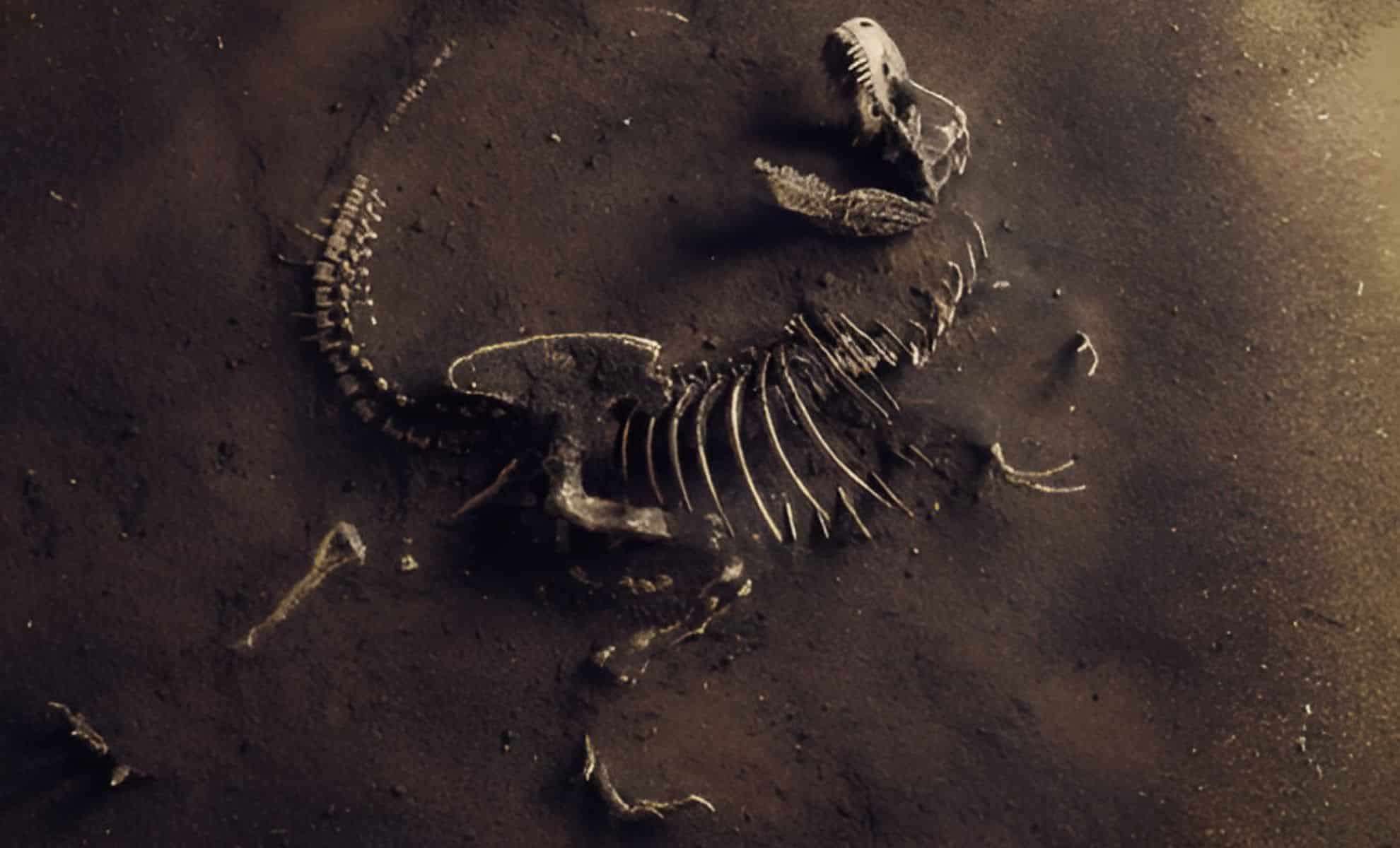
For years, scientists have accepted that the process of fossilization replaces all original organic materials with minerals, effectively erasing biological traces from ancient remains. This assumption has played a central role in how paleontologists interpret fossil records and reconstruct prehistoric life. However, a startling new finding may rewrite this understanding by revealing preserved biological molecules in fossils far older than expected.
Uncovering Collagen Within a Dinosaur Fossil
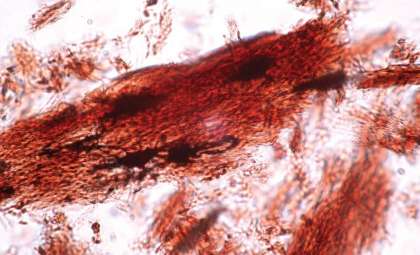
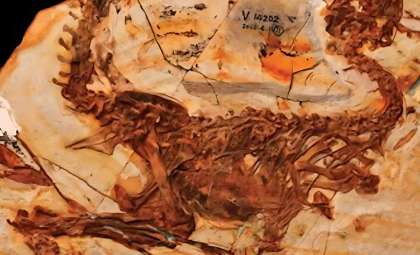
In a groundbreaking study, researchers identified collagen—a vital protein found in connective tissues—in a fossilized specimen of Edmontosaurus dating back approximately 70 million years. This particular fossil originates from the Hell Creek Formation in South Dakota, a site well-known for its wealth of dinosaur fossils from the late Cretaceous era.
Published recently in Analytical Chemistry, the investigation led by the University of Liverpool represents a major leap forward in paleontological research. Historically, it was believed that fossilization obliterated all organic components, preserving only mineralized skeletons.

Utilizing state-of-the-art spectrometry methods, the team examined the remarkably preserved sacrum of the Edmontosaurus, detecting not just the building blocks of proteins—amino acids—but the entire collagen molecule within the bone. This revelation challenges the long-held belief that proteins degrade too rapidly to be found in such ancient fossils.
Rethinking How Fossils Retain Organic Matter
The discovery that collagen endures in a specimen tens of millions of years old prompts a reevaluation of how organic substances persist through biological and geological time. Although the fossilization process is known to replace organic tissue with minerals progressively, this evidence indicates some biomolecules may survive far longer under favorable conditions.
Professor Steve Taylor of the University of Liverpool's Department of Electrical and Electronic Engineering, who led the research, emphasizes that these findings call into question conventional fossil preservation models.
“Our work proves unequivocally that biological molecules like collagen can be retained within certain fossilized remains,” Professor Taylor stated. The identification of these molecules in Edmontosaurus fossils suggests that unique preservation environments may allow organic compounds to last for millions of years.
Leveraging Advanced Analytical Technologies
Researchers employed cutting-edge tools such as mass spectrometry alongside high-resolution imaging methods to isolate and identify proteins and amino acids embedded within the fossilized bones. These technologies provided decisive proof that some organic molecules withstand the fossilization process under specific circumstances.
The Hell Creek Formation, where the fossil was recovered, is renowned for its extensive collection of Cretaceous period fossils, including many well-preserved dinosaur specimens such as the Edmontosaurus.
This analytical approach surpasses traditional paleontological examinations, which mainly involve visual inspection and basic chemical assays, enabling scientists to explore the molecular composition of ancient remains with unprecedented precision.
Potential Impact on Understanding Prehistoric Life
This finding holds significant promise for refining our knowledge of extinct organisms and their development. The presence of proteins like collagen in ancient fossils allows researchers to reconstruct details of dinosaur biology and physiology more accurately than ever. This could enhance understanding of their physical traits, health, and evolutionary history.
Furthermore, these insights may help solve enduring puzzles about the long-term survival of organic molecules post-mortem, revealing new avenues for studying fossils once believed to have lost their biological information. Future applications of these methods could unlock fresh knowledge about ancient life preserved beneath the earth’s surface.
- Categories:
- Science





0 comments
Sign in to Comment