
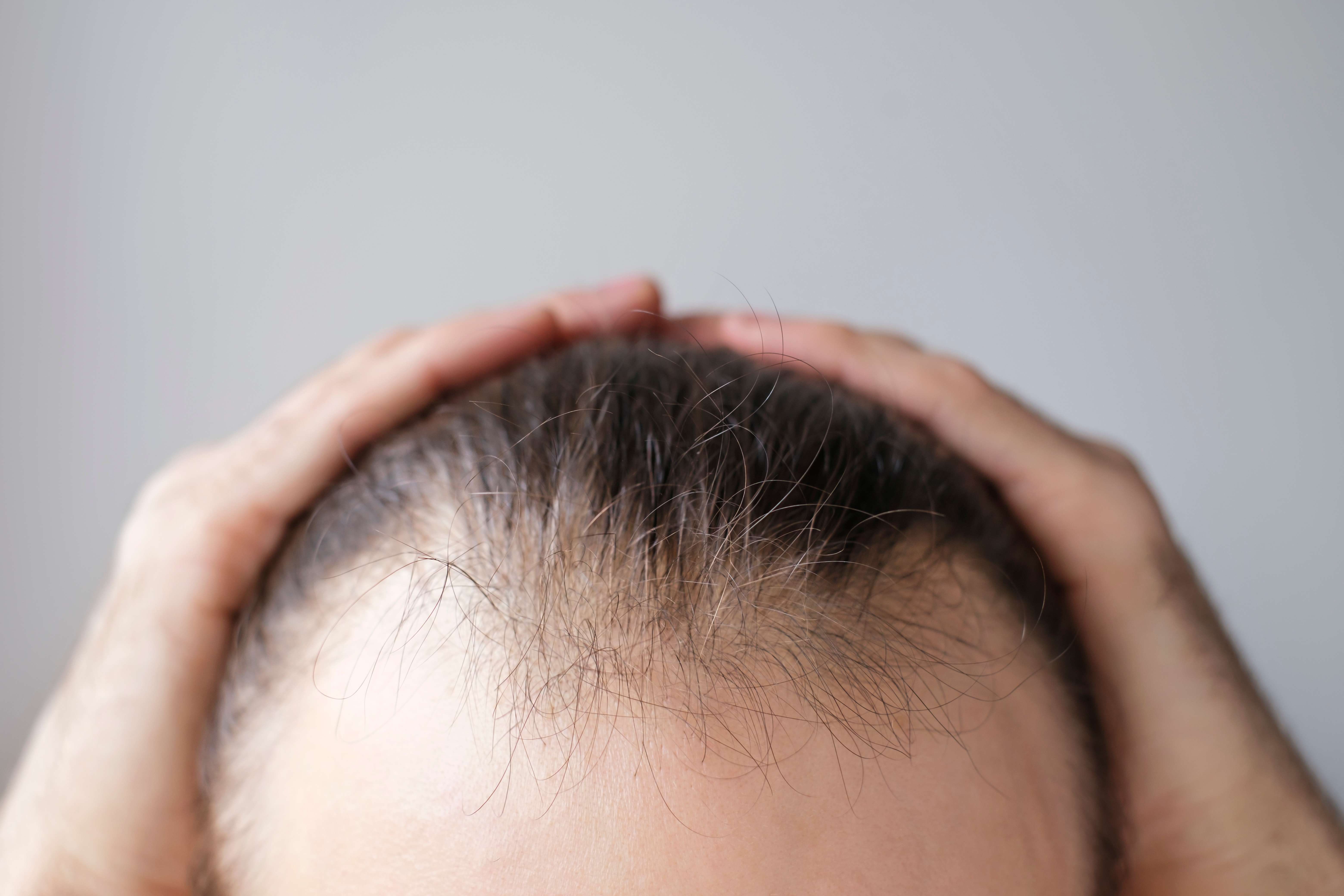
A recent publication in Nature Communications has pinpointed a vital protein responsible for sustaining hair follicle stem cells, paving the way for innovative therapies targeting hair loss. This comprehensive study, conducted by researchers from Australia, Singapore, and China, sheds new light on the mechanisms behind hair follicle regeneration.
The Key Role of a Protective Protein
Hair follicles experience continuous phases of growth, rest, and shedding. Central to these phases are hair follicle stem cells (HFSCs), which drive the production of new hair to replace the lost strands. The study revealed that these cells depend on a protein called MCL-1 for their survival and proper activity. When scientists genetically removed MCL-1 in mice, HFSCs rapidly experienced stress and died, resulting in a complete shutdown of hair regeneration.
To test this, researchers shaved small areas on adult mice lacking MCL-1 and observed no hair regrowth, whereas normal mice exhibited typical hair recovery. These results confirm MCL-1’s fundamental importance for maintaining functional HFSCs throughout adulthood.

Balancing Cell Survival and Stress Responses
Delving deeper, the team investigated cellular effects following MCL-1 deletion. They noted that while dormant HFSCs remained unaffected, activated HFSCs undergoing division succumbed to significant cellular stress. This stress initiated the activation of the P53 protein, a key regulator of programmed cell death. In an additional experiment, simultaneous removal of P53 and MCL-1 restored the ability of HFSCs to regenerate hair, highlighting a critical interaction between these proteins in managing follicle cell fate.
Published on March 29, 2025, the study emphasizes MCL-1 as part of the BCL-2 protein family, which plays a pivotal role in deciding cell survival or apoptosis. Understanding this regulatory network offers valuable insight for designing therapies aiming to protect HFSC populations.
Crucial Signaling Networks Supporting Regrowth
The investigation also draws attention to the ERBB signaling pathway’s role. This pathway, involved in various cellular functions, enhances HFSC survival by elevating MCL-1 levels. Researchers regard ERBB as a promising target for new treatment approaches.
Led by Hui San Chin and the team, the study posits that activating ERBB signaling could indirectly boost MCL-1 function. Since direct delivery of MCL-1 protein is impractical—owing to its intracellular production and inability to traverse cell membranes—modulating ERBB activity might offer a feasible alternative route.
Prospects for Advancing Hair Loss Therapies
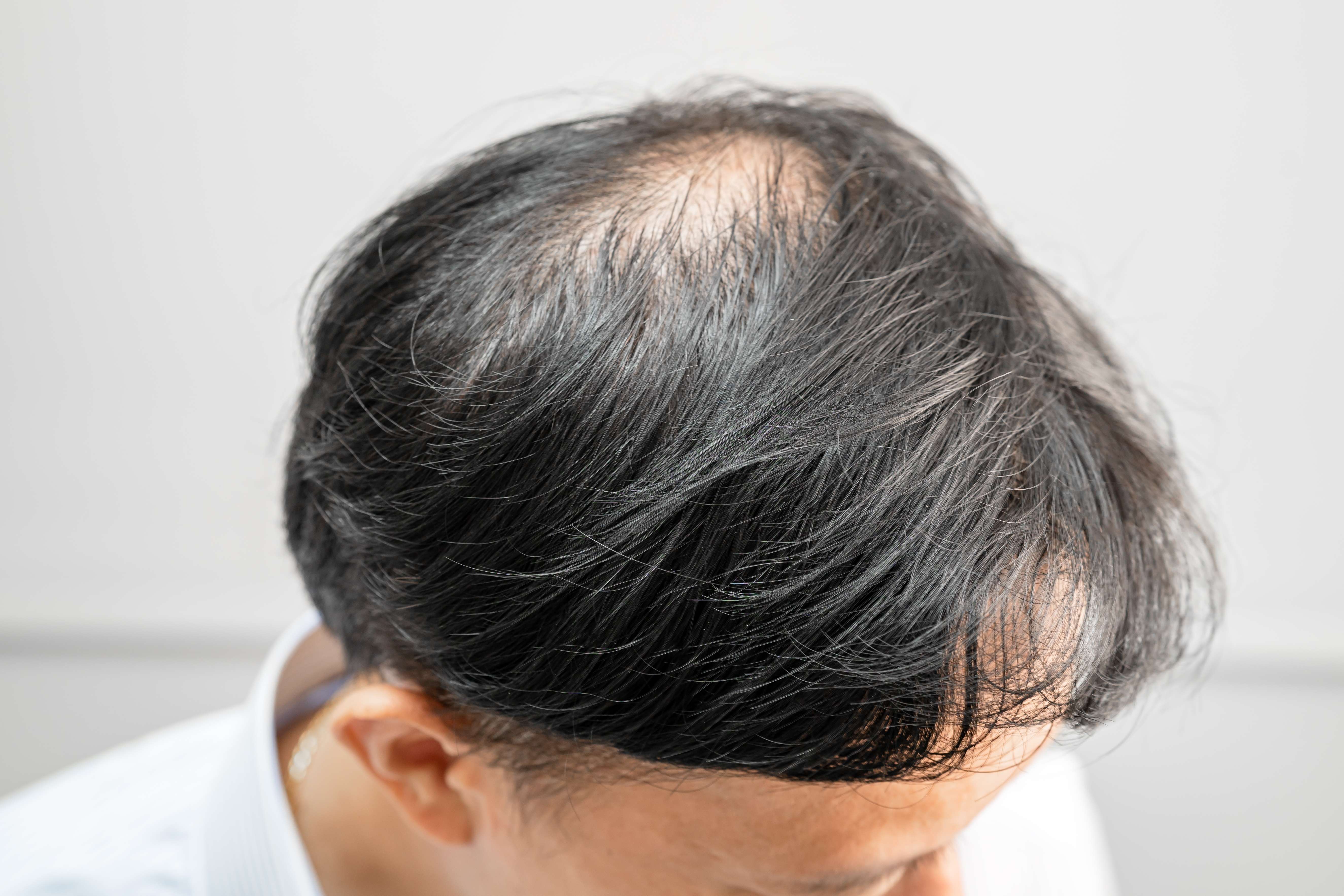
Alopecia impacts nearly 2% of people worldwide at some stage, caused by factors ranging from immune system disorders to hormonal imbalances. Nonetheless, the failure of hair follicles to regenerate remains a major contributor to long-term baldness. This research underscores the necessity of preserving MCL-1 to maintain HFSC regenerative capacity.
The authors urge further exploration into MCL-1’s function in human biology. Their findings establish a foundation for future studies aimed at unraveling how this protein and associated stress pathways, alongside signaling molecules like ERBB, could be manipulated to develop effective treatments that halt or reverse hair loss.
- Categories:
- Science











0 comments
Sign in to Comment