
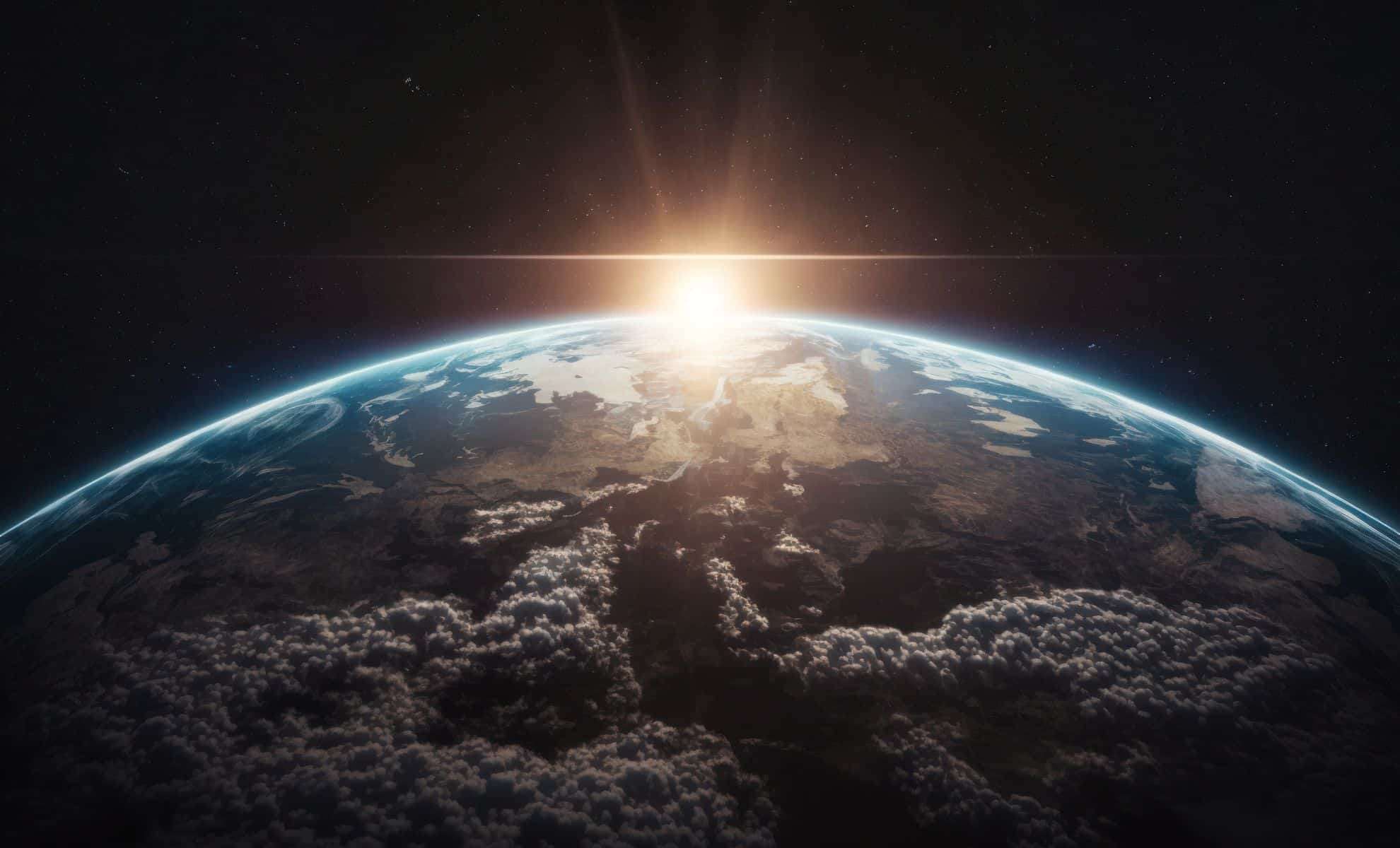
Scientists have reconstructed the chaotic early stages of Earth’s history, simulating the planet’s appearance shortly after its birth 4.5 billion years ago. This advanced computer model offers remarkable perspectives on the molten infancy of our world, illuminating how these scorching beginnings influenced today’s geological landscape.
An Early Earth Defined by Layered Cooling
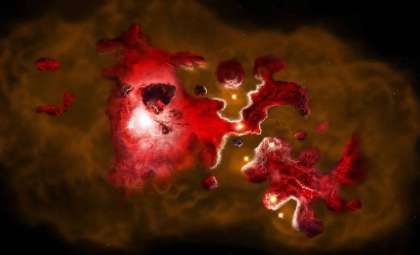
Earth's initial formation did not produce the solid ground we are familiar with. Instead, our planet was engulfed in a vast sea of molten rock, resembling a massive, glowing lava lamp rather than the stable continents now underfoot. This liquid state endured for millions of years during which Earth’s exterior cooled piecemeal.
Cooling was uneven — while the surface began to harden, layers closer to the planet’s core remained intensely molten. This phenomenon created a "basal magma ocean", a deep reservoir of iron-rich liquid famously theorized decades ago and currently supported by seismic studies revealing mantle zones that impede seismic waves.

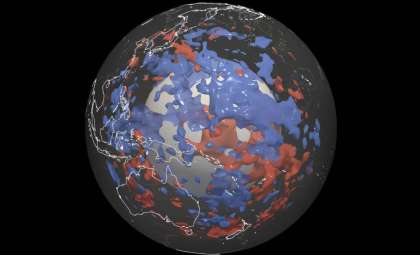
This basal magma ocean was instrumental in shaping Earth’s mantle and thermal profile. Traces of these molten regions, found nearly 1,800 miles beneath the planet’s crust, persist today in areas such as the Pacific Basin and parts of Africa, though their depths make them challenging to study directly.
Groundbreaking Discoveries from an Innovative Model
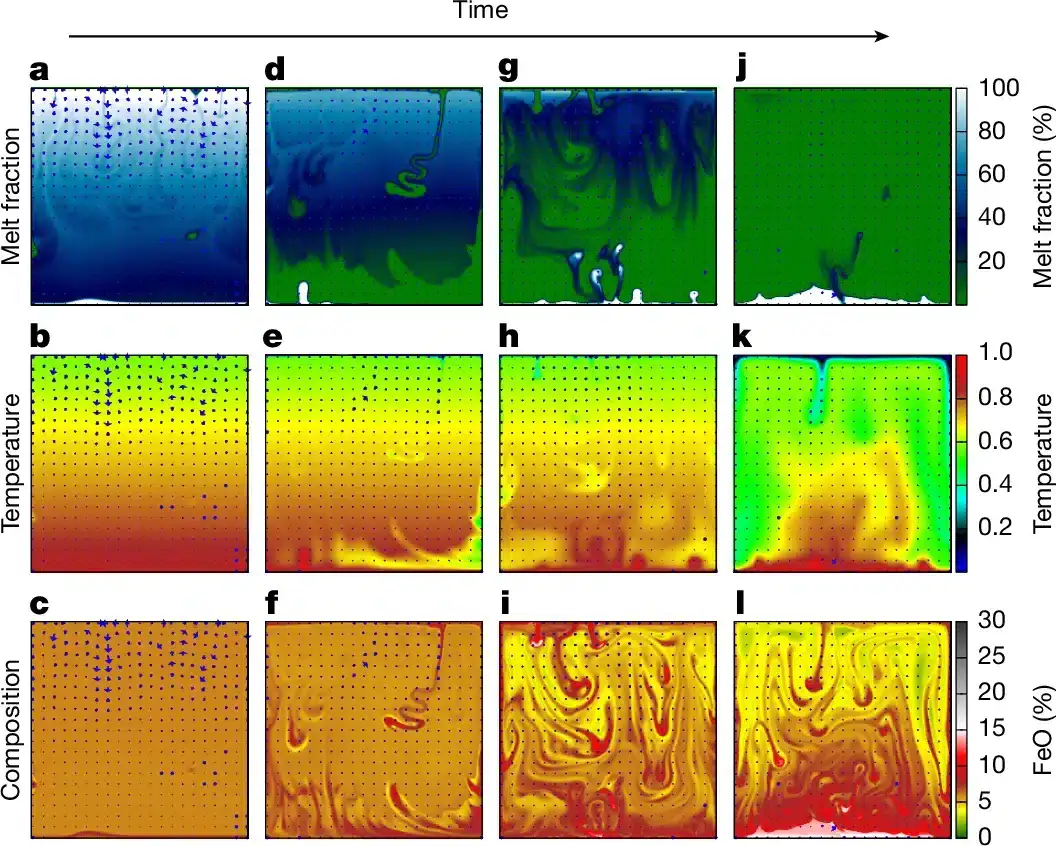
To gain deeper insights into Earth’s formative years, researchers developed the Bambari simulation, which models the planet’s first 100 million years. Spearheaded by Assistant Professor Charles-Édouard Boukaré from York University, this simulation considers the complex interplay between Earth’s partially molten layers at that time.
The Bambari model initiates with a mantle approximately 50% liquid, reflecting conditions post the giant impact responsible for forming the Moon. It tracks how molten and solid materials moved within the early mantle, revealing that temperature variations caused buoyant crystal mush to ascend and denser iron-rich droplets to descend. This differentiation established layered structures, with lighter minerals rising and heavier elements settling.
Unexpected Chemical Patterns Beneath Earth’s Crust
Beyond physical dynamics, the simulation uncovered surprising chemical distributions. Notably, minerals such as olivine—commonly confined to the upper mantle—were detected as far as 1,200 miles underground. This finding challenges prior assumptions about mineral layering and suggests a more intricate early mantle separation process.
The study proposes that crystals formed near the planet’s surface slowly sank back into the mantle, partially melting and generating iron-rich liquid layers. This resulted in a liquid ocean approximately 300 miles thick just above the core, which likely insulated the core and helped preserve its heat for hundreds of millions of years.
How Early Earth’s History Shapes Present-Day Geology
The Bambari model reveals that the mantle’s current architecture reflects these ancient processes. It foresees massive “superplumes”—known as large, low-shear-velocity provinces (LLSVPs)—beneath the Pacific and African tectonic plates. These enormous structures, extending over 600 miles above the core, are believed to be leftovers from the basal magma ocean.
Such superplumes drive volcanic hotspots like those found in Hawaii and Iceland. Studying them allows scientists to directly connect Earth’s primordial past to ongoing volcanic activity.
This simulation also provides a framework for examining other rocky planets. For example, Mars, being smaller with faster heat dissipation, likely experienced a shorter-lived magma ocean and lost its magnetic field and atmosphere earlier than Earth. Conversely, larger exoplanets might sustain their magma oceans longer, potentially fostering environments conducive to life.
- Categories:
- News



0 comments
Sign in to Comment