
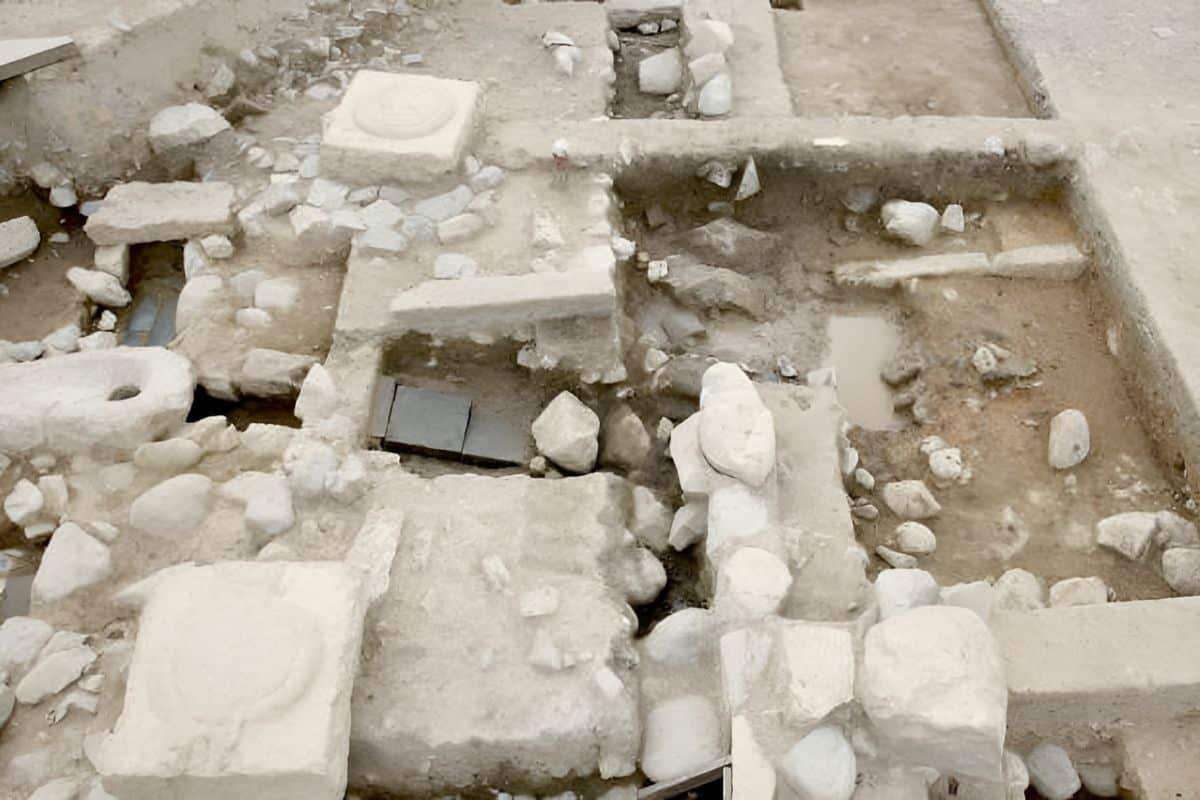
In a groundbreaking archaeological revelation, experts in South Korea have uncovered a 1,300-year-old latrine believed to have been used by a crown prince during the Silla Dynasty (57 BCE–935 CE). This extraordinary finding at a former royal palace site in Gyeongju sheds new light on the sophisticated hygiene practices of Korea’s historic elite.
Unveiling Royal Sanitary Innovations
Excavations led by the Gyeongju National Research Institute of Cultural Heritage uncovered a complex stone toilet inside what was once the crown prince’s residence. Featuring an intricate drainage mechanism, this toilet ranks among the earliest known royal flush systems globally.
Archaeologists describe the construction as a rectangular stone platform with an expertly carved opening intended for waste disposal. Its connection to an underground sewage network indicates the palace boasted plumbing technology remarkably advanced for its era.

Significance of the Ancient Sanitation Discovery
This find represents significant proof that elite Silla society placed great importance on cleanliness and urban infrastructure. Previously, there was a scarcity of concrete evidence for sanitation facilities in royal palaces from that period.
The presence of a water-based flushing setup highlights that royal members benefited from hygiene solutions considered far ahead of their time.
Experts speculate this toilet was a privileged amenity exclusive to the crown prince, as commoners lacked such luxuries.
Archaeologist Jeon Joon-oh, who participated in the dig, noted that findings like this challenge previous beliefs about the technological sophistication of the Silla Dynasty.
Functioning of the Ancient Flush System
Unlike contemporary flush toilets, this ancient design relied on gravity to naturally propel water and waste away. Researchers believe palace servants manually poured water to activate the flushing, guiding waste through stone channels leading beyond the palace grounds.
“This specific toilet likely served the crown prince and his closest court attendants,” Kim explained.
The design bears notable similarities to sanitation systems used by ancient civilizations such as the Romans, known for their aqueducts and flowing water latrines, suggesting the Silla could have independently innovated or adopted similar plumbing technologies.
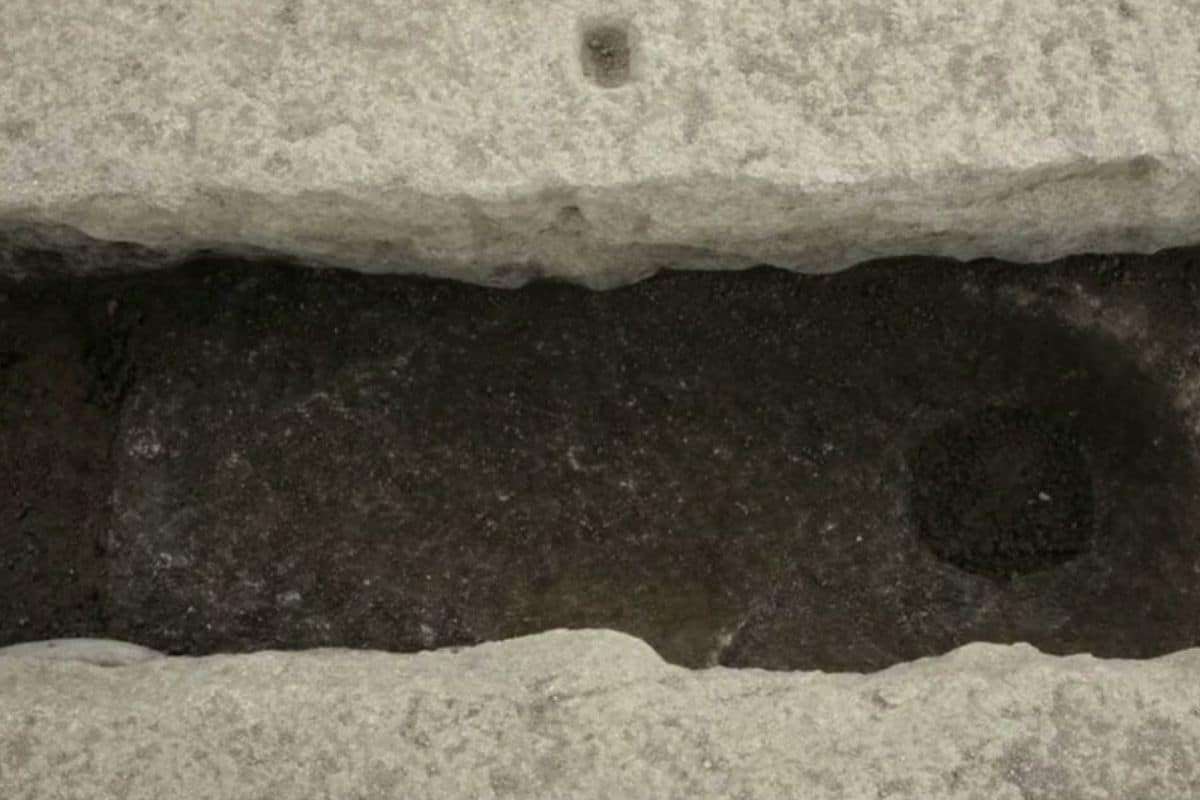
Image credit: Photo courtesy of Kim Gyeong Yeol
Discovery Inside the Lavatory
One of the most compelling facets of this discovery is the preserved human waste discovered within the toilet. Scientists are now performing biochemical tests on these remains to uncover insights about the diet and health conditions of ancient royalty, including potential parasitic infections.
Comparable research on historical latrines worldwide has produced enlightening data on past nutrition and medical history. This study could offer unparalleled understanding of life among the Silla aristocracy.
Insights Into Life at the Royal Court
Finding the crown prince’s toilet highlights that the comforts of royalty extended into everyday sanitation. Often, ancient civilizations are celebrated for their architectural grandeur or military achievements, but basic aspects like hygiene and public health were equally vital to their flourishing.
South Korea remains a fertile ground for uncovering secrets about the Silla Dynasty. This recent find enriches our comprehension of ancient palace living.
- Categories:
- News













0 comments
Sign in to Comment