
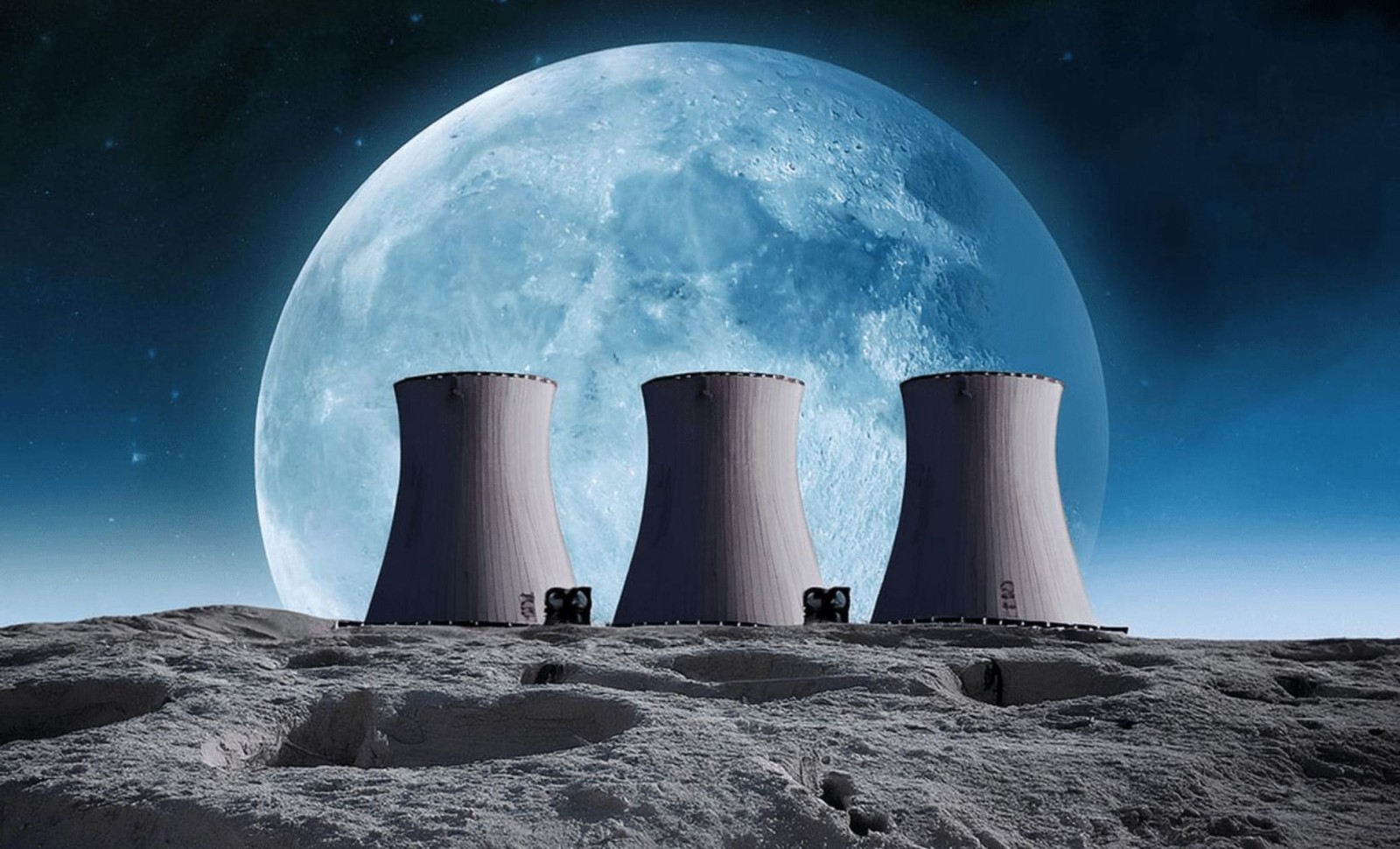
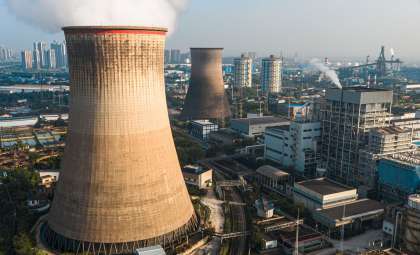
In a significant move for lunar exploration, Russia is preparing to develop a nuclear power station on the Moon within the next decade. This cutting-edge initiative, introduced by Roscosmos, the Russian space agency, intends to supply steady energy to support its lunar ambitions, including robotic explorers, scientific observatories, and critical infrastructure. The project, highlighted by Reuters on December 24, 2025, reflects Russia’s dedication to maintaining a prominent role in the international space community, fostering collaboration across borders.
By deploying a nuclear energy source, Russia aims to address the challenges presented by solar power limitations on the lunar surface, where extended nights and harsh conditions hinder the typical use of solar panels. This endeavor also complements Russia’s expanding partnership with China in space exploration efforts.
Roscosmos Outlines Its Lunar Power Strategy
As reported by Reuters, the nuclear facility is slated for completion by 2036 and will be essential in energizing Russia’s growing activities on the Moon. The plant will support various autonomous systems, including surface rovers exploring the lunar terrain and scientific devices like observatories.

Additionally, the plant will back vital infrastructure such as communications and data relay systems, ensuring sustainable long-term lunar operations. Roscosmos has revealed plans to collaborate with multiple scientific and manufacturing institutions, including the aerospace giant Lavochkin, to bring the project to fruition.
“The project is an important step towards the creation of a permanently functioning scientific lunar station and the transition from one-time missions to a long-term lunar exploration program,” Roscosmos said.
The agency confirmed that the electricity generated will power not only Russian lunar activities but also contribute to the joint Russian-Chinese development of the International Lunar Research Station (ILRS).
“We’re in a race to the moon, in a race with China to the moon. And to have a base on the moon, we need energy,” remarked U.S. Transport Secretary Sean Duffy.
Challenges of Harnessing Energy on the Moon
Though the concept of a nuclear energy installation on the Moon may sound futuristic, it is driven by the need to sustain continuous human or robotic lunar activity amid a tough environment. The lunar surface endures severe temperature fluctuations and extended periods of darkness, making solar power alone unreliable for steady operation.
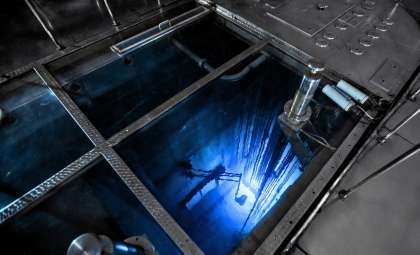
The nuclear installation will offer a constant power supply, independent of the lunar day-night cycle. The technology is likely to use small modular reactors (SMRs), which are favored for their compact design, enhanced safety, and efficient performance.
Russia has been developing these reactors for several purposes, including space missions. Still, building this facility will involve significant technical and logistical challenges, such as transporting critical components and assembling the plant on the Moon.
- Categories:
- News





0 comments
Sign in to Comment