
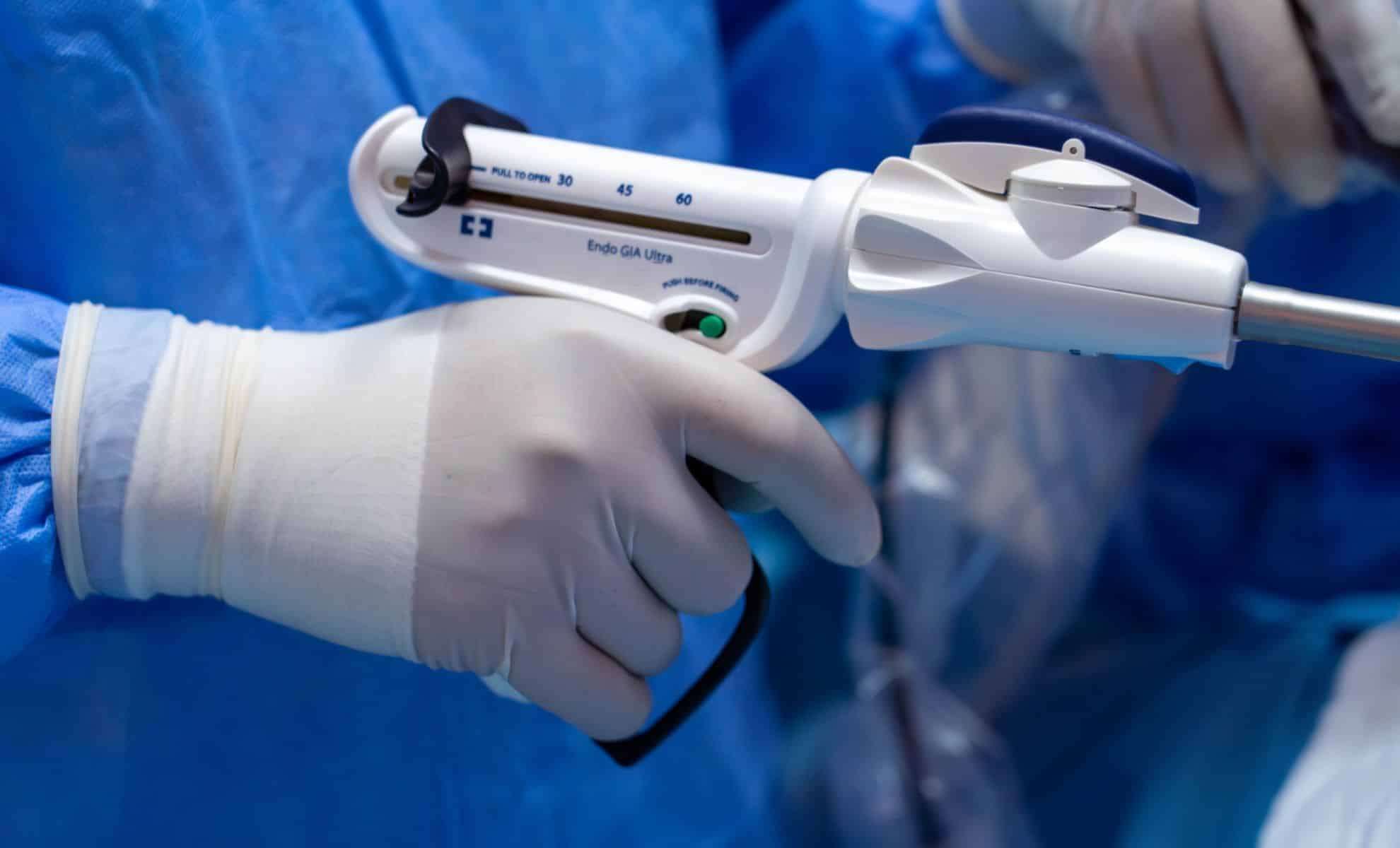
Scientists at St. Petersburg State Technical University “leti” have engineered a compact, entirely domestic thermal imaging device designed to monitor blood circulation during tumor removal surgeries.
Currently in trial stages at the a.l. polenov russian scientific research neurosurgical institute, this innovative technology aims to assist surgeons in evaluating microcirculation within tissues throughout surgical procedures — a key factor for enhancing patient recovery and minimizing postoperative complications.
With growing advancements in medical imaging and oncological surgery, this development meets the demand for real-time, accurate surgical guidance tools.

Small-Scale Device Featuring Dual-Sensor Precision
In contrast to typical thermal cameras used in clinical settings, this unit incorporates dual sensors — a compact matrix sensor paired with a point sensor — enabling detailed temperature measurements from very close ranges. Department leader nikolai potrakhov explains that this allows surgeons to “measure exact temperature variations at close proximity and reliably determine the absolute temperature of any part of the body.”
This dual-sensor thermal technology provides clearer imaging of tissue temperature distributions while occupying minimal space and reducing setup time in operating rooms. Its portable design and instant data readout make it well-suited for fast-paced surgical environments where precision is essential.
Immediate Heat Pattern Analysis Enhances Surgical Accuracy
Embedded software automatically identifies irregular thermal patterns indicative of impaired blood flow, marking these regions for swift assessment. The system continuously records temperature fluctuations, generates live temperature charts, and saves consecutive thermal images for in-depth review.
Engineer sergey rostachev noted that one sensor focuses on blood flow within the tumor zone while the other monitors adjacent healthy tissue, enabling surgeons to compare both areas in real time. This setup supports improved intraoperative decisions during cancer surgeries and microcirculatory evaluations.
Validated Across Prominent St. Petersburg Medical Institutions
Besides ongoing assessments at the polenov neurosurgical institute, this thermal imaging tool has undergone testing at pavlov first st. petersburg state medical university, lesgaft national state university of physical education, and the s.m. kirov military medical academy. These studies are designed to verify its applicability across diverse surgical specialties, from neurosurgery to oncology.
Constructed wholly from domestic components, the device is cost-effective and reduces dependency on foreign medical imaging hardware, potentially accelerating its deployment throughout Russian healthcare facilities.
Advancing Outcomes in Cancer Surgery
It is well-understood that sustaining adequate tissue blood flow during tumor excision lowers risks such as delayed healing and tissue death. By integrating precise thermal imaging during operations, surgical teams can rapidly pinpoint affected areas and adapt their techniques to safeguard healthy tissue.
Should broader clinical trials confirm its benefits, this affordable, portable thermal imager could become a routine instrument in hospitals, broadening access to cutting-edge intraoperative imaging and improving survival and recovery rates for numerous cancer patients annually.
- Categories:
- Science












0 comments
Sign in to Comment