
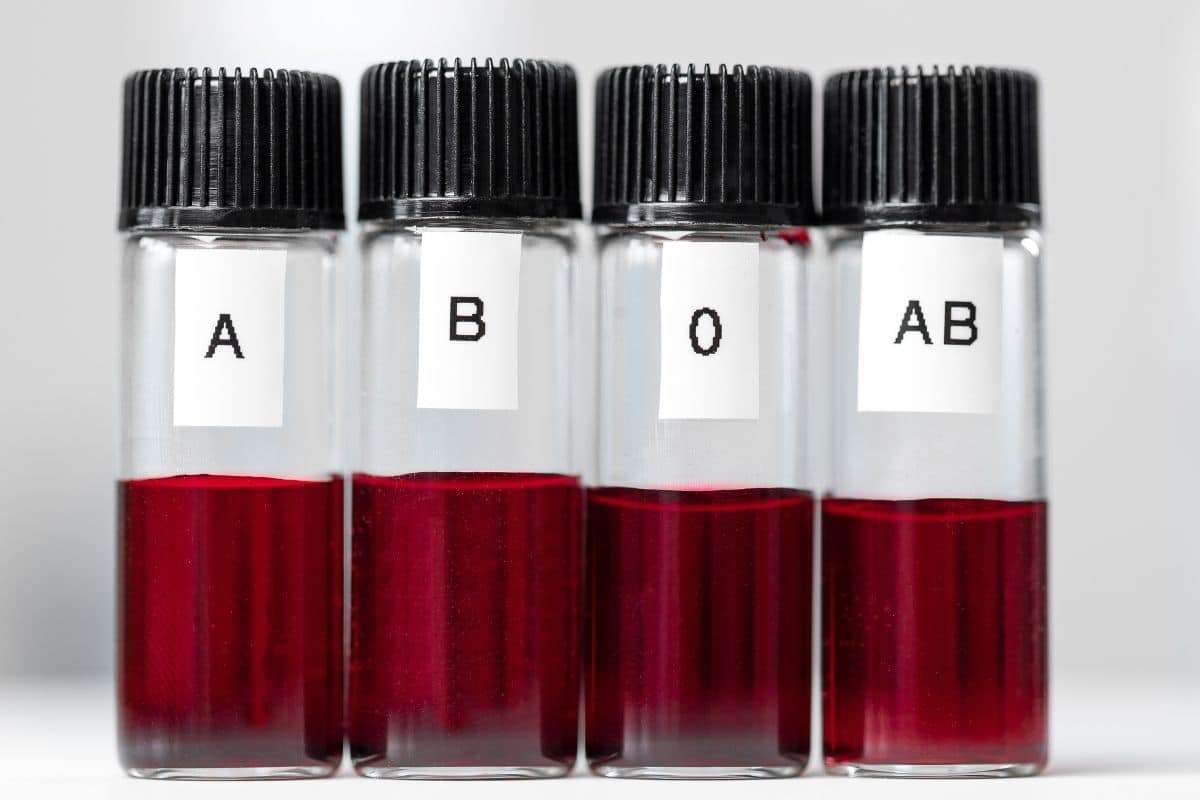
For more than fifty years, researchers have been intrigued by a mysterious absence in the makeup of human blood. This puzzle dates back to 1972 when doctors identified an unusual blood sample from a pregnant woman lacking a specific molecule found on all known red blood cells. Now, after extensive investigation, scientists have finally revealed a previously unknown blood group system.
Breakthrough Identification of a Unique Blood Group
This significant advancement, published in 2024, represents an important leap in hematology. It not only resolves a long-standing scientific enigma but also paves the way for improved medical treatments for those with rare blood types.
Dr. Louise Tilley from the UK National Health Service played a key role in this breakthrough, dedicating nearly two decades to exploring this rare genetic variation. The new MAL blood group expands the list of known blood group systems, joining the widely recognized ABO and Rh blood classifications.

Distinct from these well-established systems, MAL centers on the absence of an antigen called AnWj. Researchers discovered that over 99.9% of people carry this antigen on their red blood cells. However, the individual from 1972 was entirely missing it, triggering a comprehensive study under Dr. Tilley’s leadership.
Understanding the MAL Blood Group
The MAL blood group is named after the MAL protein, vital for maintaining cell membrane stability and transport. Years of genetic investigation into AnWj-negative blood types culminated in this discovery.
Scientists confirmed the role of the MAL gene by introducing a normal copy into cells taken from AnWj-negative individuals. This genetic insertion restored the AnWj antigen on those cells, confirming the gene’s essential function.
Dr. Tilley remarked on the challenges they faced: “The rarity of these cases made pinpointing the responsible genetic markers very difficult.” This scarcity of genetic samples posed a significant hurdle to their research.
Genetic Insights Behind MAL
Individuals who carry mutations in both copies of the MAL gene exhibit the AnWj-negative blood phenotype. This finding was crucial for identifying carriers of this unusual blood trait.
Interestingly, some who lacked this antigen did not possess the expected mutations, suggesting that other underlying health factors might suppress the antigen’s expression on red blood cells.
The study revealed that all patients typed as AnWj-negative shared a common mutation. Notably, this genetic anomaly was not linked to other cellular abnormalities or known illnesses. More on this can be found here.
Medical Significance
The discovery of the MAL blood group carries major medical implications. Due to its exceptional rarity, understanding its genetic basis allows medical professionals to enhance care for patients with this blood profile.
Additionally, recognizing the MAL gene enables clinicians to determine whether a patient’s AnWj-negative status stems from inherited genetics or is the result of genetic suppression caused by other conditions.
Dr. Tim Satchwell, a biologist at the University of the West of England, commented on the complexities involved in unveiling the MAL protein:
“MAL is a very small protein with some interesting properties which made it difficult to identify and meant we needed to pursue multiple lines of investigation to accumulate the proof we needed to establish this blood group system.”
- Categories:
- Science












0 comments
Sign in to Comment