
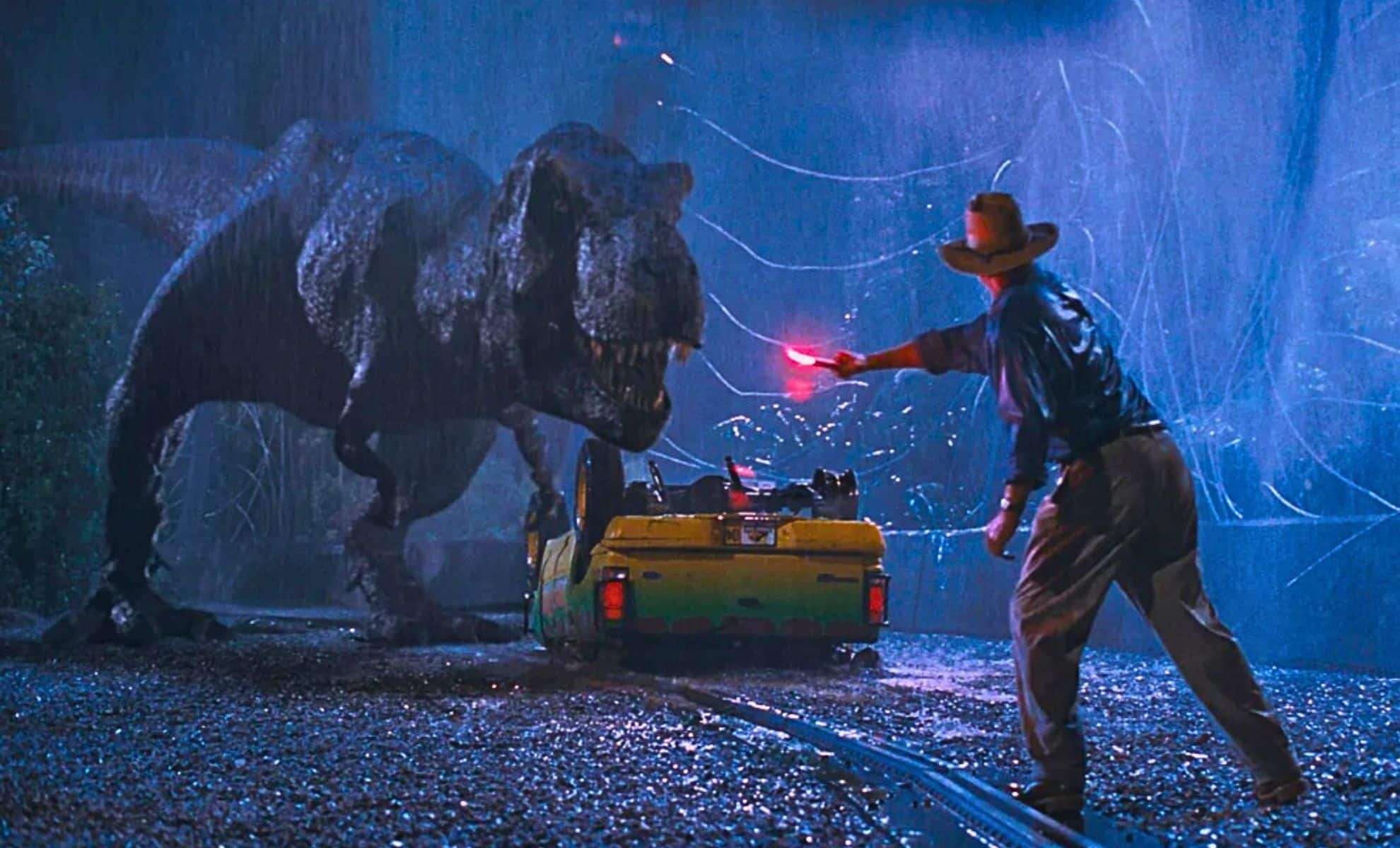
For more than 30 years, the intense roars from Jurassic Park’s dinosaurs have influenced our perception of these prehistoric animals. However, recent scientific research suggests these famous sounds were inaccurate. New evidence indicates that dinosaur vocalizations were likely more subdued and less theatrical than the dramatic Hollywood versions we've grown accustomed to.
How Jurassic Park Shaped Dinosaur Sound Expectations
Before the release of Spielberg's landmark 1993 film, dinosaurs had already captured public imagination through various media, ranging from comedic caveman tales to scholarly studies. Nevertheless, Jurassic Park transformed the way audiences envisioned these creatures, combining pioneering visual effects with innovative sound design.
The launch of DTS (Digital Theater Systems) sound in cinemas coincided with the movie’s release, enabling an immersive auditory experience. The iconic Tyrannosaurus rex roar became a symbol of raw power and fear. Yet, this signature sound was primarily an artistic invention, rooted in limited knowledge about dinosaur anatomy at that time.

Reassessing Dinosaur Calls Through Modern Science
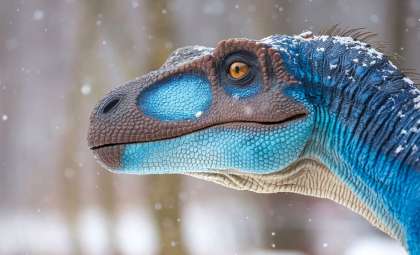
Today, experts in paleontology are uncovering new insights into dinosaur vocal behavior. They examine fossilized vocal structures, cranial morphology, and make comparisons with contemporary birds and reptiles to reconstruct likely sounds. Intriguingly, many species, including the mighty T. rex, probably emitted low-frequency rumbles or humming noises rather than loud roars.
These findings also connect with research on animal communication, offering parallels that extend to understanding human speech development and signaling methods in both extinct and extant species.
The Fiction Behind the T. rex’s Legendary Roar
The unforgettable T. rex roar in Jurassic Park wasn’t recorded from any real dinosaur sound. Instead, sound designers blended calls from various modern animals to create it:
- Infant elephant: Primary base
- Tiger: Layered growls
- Alligator: Deep guttural tones
Although effective from an entertainment standpoint, this composite doesn’t accurately reflect how dinosaurs likely vocalized. Scientists now propose that large theropods resonated with deeper, more resonant sounds, similar to modern crocodiles and ostriches. This discovery challenges over three decades of popular beliefs about dinosaur acoustics.

Charting a New Course for Dinosaur Audio in Media and Education
Ongoing research continues to transform our understanding of dinosaur behavior and communication. The next step lies in how the entertainment industry and educators integrate these insights. Imagine exhibits where visitors experience low-frequency vibrations reminiscent of real dinosaur calls, replacing clichéd roaring sounds for a more genuine encounter.
This evolution offers creative opportunities to engage audiences through scientifically grounded soundscapes. Just as innovations reshape fields like mental health support, sound engineers and teachers face the challenge of aligning authenticity with captivating experiences.
- Categories:
- Science ,
- Science ,
- Evolution ,
- Evolution










0 comments
Sign in to Comment