
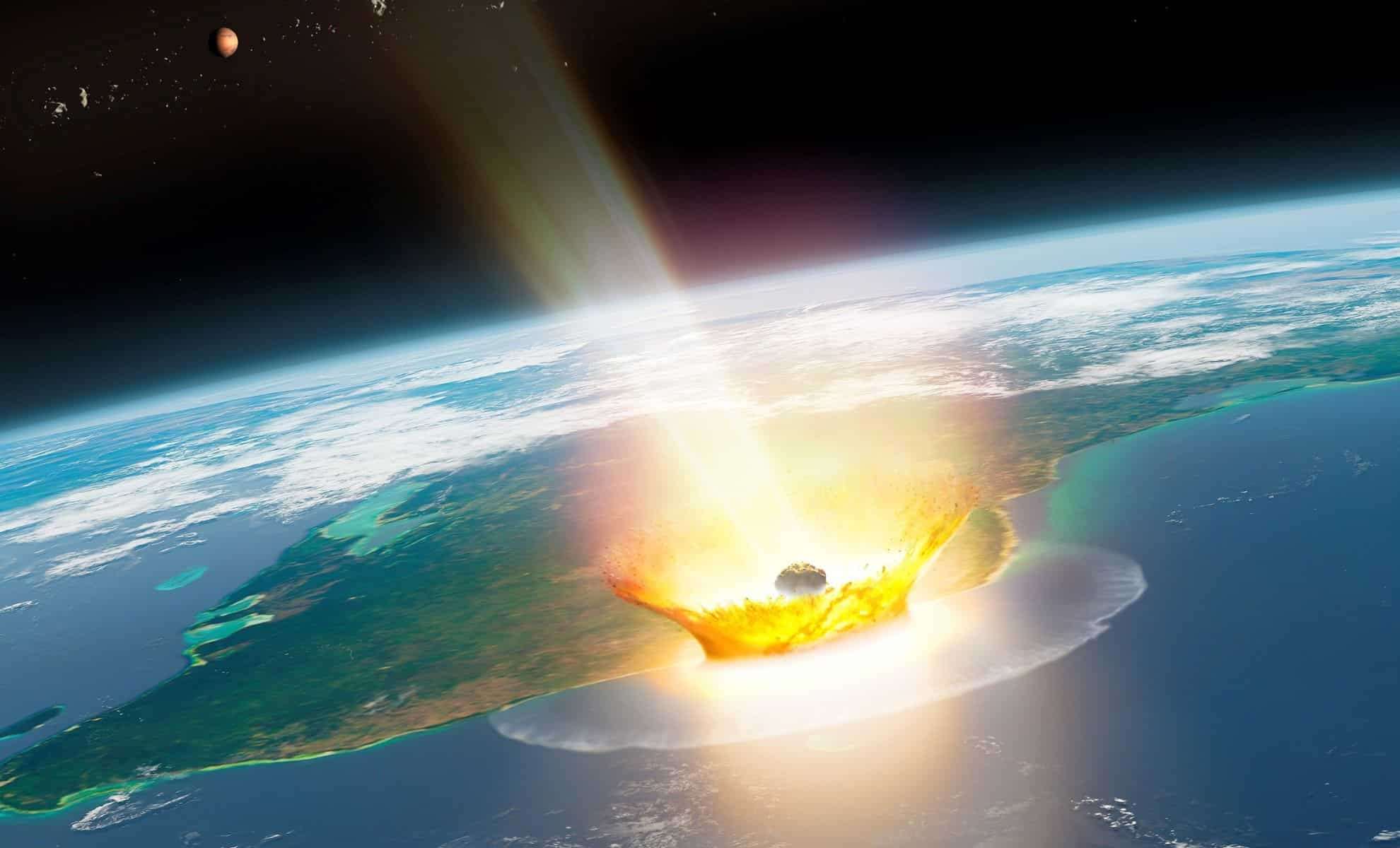
Scientists have long debated the enigmatic origins of the asteroid that caused the dinosaur extinction, questioning whether it was an asteroid, comet, or another celestial object.
A groundbreaking study recently published in Science offers compelling evidence that this asteroid formed well beyond Jupiter’s orbit, deep in the outer solar system’s frigid expanse.
This discovery represents a major advancement in comprehending the catastrophic event that triggered the mass extinction 66 million years ago, transforming our understanding of Earth’s link to remote cosmic bodies.

Uncovering the Source of the Chicxulub Asteroid
The investigation, spearheaded by geochemist Mario Fischer-Godde from the University of Cologne, utilized cutting-edge methods to examine sediment samples from the Cretaceous-Paleogene (K-Pg) boundary, a geological imprint left by the impact.
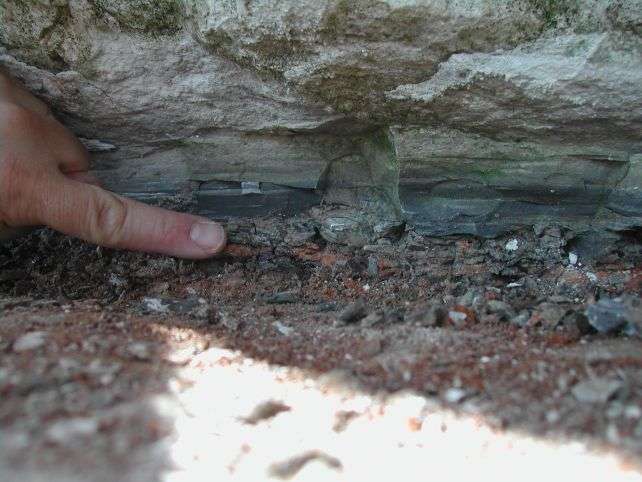
This distinct layer records the momentous event responsible for the extinction of nearly 76% of Earth’s species, including all non-avian dinosaurs. By analyzing the isotope composition of ruthenium, the researchers traced the asteroid’s origin to a C-type (carbonaceous) asteroid from beyond Jupiter.
“With these findings, we can confidently assert that the asteroid originated beyond Jupiter,” Fischer-Godde explained. This insight challenges earlier ideas suggesting an inner solar system origin or cometary nature, since C-type asteroids predominantly dwell in the outer solar regions and rarely collide with Earth.
Ruthenium Isotope Analysis: A Breakthrough Technique
The team’s success stemmed from employing ruthenium isotopic analysis, an advanced method developed in Fischer-Godde’s Cologne laboratory. This technique can discriminate among asteroid types by measuring isotopes of ruthenium, an element scarce on Earth yet abundant in asteroids. Investigation of geological layers containing Chicxulub debris confirmed that the ruthenium signature originated from the impactor.
Fischer-Godde’s lab is among the few worldwide capable of such precise measurements, marking the first use of this approach on impact debris layers. “Our Cologne lab’s capabilities are unique and vital for planetary science,” he noted. The evidence decisively indicated that the impactor was a C-type asteroid, differing notably from most Earth-found meteorites, which come from S-type silicate asteroids in the inner solar system.
Dismissing the Comet Hypothesis
A key aspect of the study is its refutation of the idea that the impactor was a comet, a theory proposed by a 2021 study based on statistical models suggesting a long-period comet origin. Comets, characterized by icy composition and remote solar system roots, differ significantly from asteroids.
Yet, isotopic data from Fischer-Godde’s team showed that the Chicxulub impactor’s composition did not match that of known comets colliding with Earth. Instead, it aligned with carbonaceous asteroids, effectively ruling out the comet scenario. “It seems improbable that a comet caused the impact,” Fischer-Godde stated. This clarifies the focus onto C-type asteroids, frequent beyond Jupiter and influential in Earth’s geological past.
The Path of the Asteroid: Outer Solar System to Earth
Despite pinpointing the asteroid's birth beyond Jupiter, the exact route it followed before striking Earth remains unclear. C-type asteroids occasionally drift inward through the asteroid belt, situated between Mars and Jupiter, positioning them on potential Earth-impact trajectories.
“We can’t definitively trace the asteroid’s location immediately prior to collision,” Fischer-Godde admitted, suggesting the Chicxulub asteroid might have lingered in the asteroid belt. This aligns with observations that many meteorites stem from this region, where gravitational forces redirect space rocks inward.
The Significance of Asteroids in Earth’s Development
The findings have wider implications beyond the Chicxulub impact. Fischer-Godde emphasized that comprehending the nature of asteroids hitting Earth over 4.5 billion years can illuminate how critical ingredients like water were delivered here. Carbonaceous asteroids, especially C-types, are believed to have contributed significantly to Earth’s early water supply.
This research strengthens the idea that ancient space objects played a vital role in delivering water and essential elements to Earth. “Exploring historic asteroid impacts may help unravel how our planet’s water originated,” Fischer-Godde added, underscoring the broader relevance of this study.
Implications for Defending Earth Against Future Impacts
Looking ahead, Fischer-Godde highlighted the importance of this research in anticipating and addressing potential asteroid collisions. Although events like Chicxulub are rare, recognizing the properties and orbits of C-type asteroids can aid in early detection and risk mitigation.
“If past mass extinctions relate to C-type impacts, then any future Earth-crossing C-type asteroid demands serious attention,” he warned. This work not only enriches our historical knowledge but also informs planetary defense strategies.
Exploring Solar System Mysteries
In a complementary effort, an international group investigated platinum-group elements such as iridium, ruthenium, and osmium in boundary sediments from locations worldwide. Their results affirmed the Chicxulub asteroid’s identity as a carbonaceous chondrite, a rare category of outer solar system asteroid. This supports conclusions from Fischer-Godde’s team and highlights how analyzing extraterrestrial rocks can unlock solar system history.
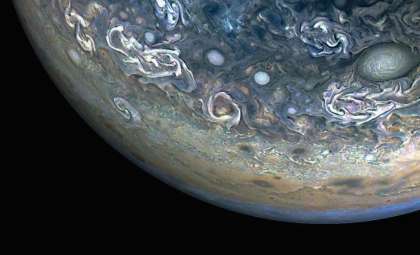
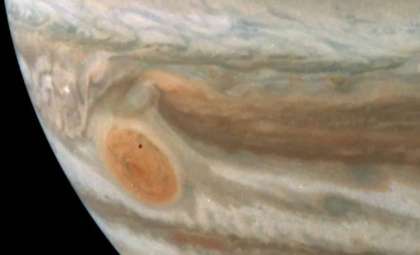
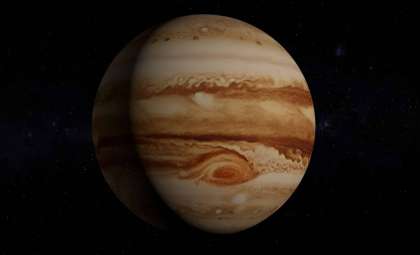
The findings also illustrate Jupiter’s role as a cosmic shield, deflecting many outer solar system comets and asteroids from reaching terrestrial planets. Yet, occasionally, such as with Chicxulub, some objects evade this barrier, leaving permanent impacts on Earth.
- Categories:
- Astronomy ,
- News ,
- Space ,
- Evolution






0 comments
Sign in to Comment