
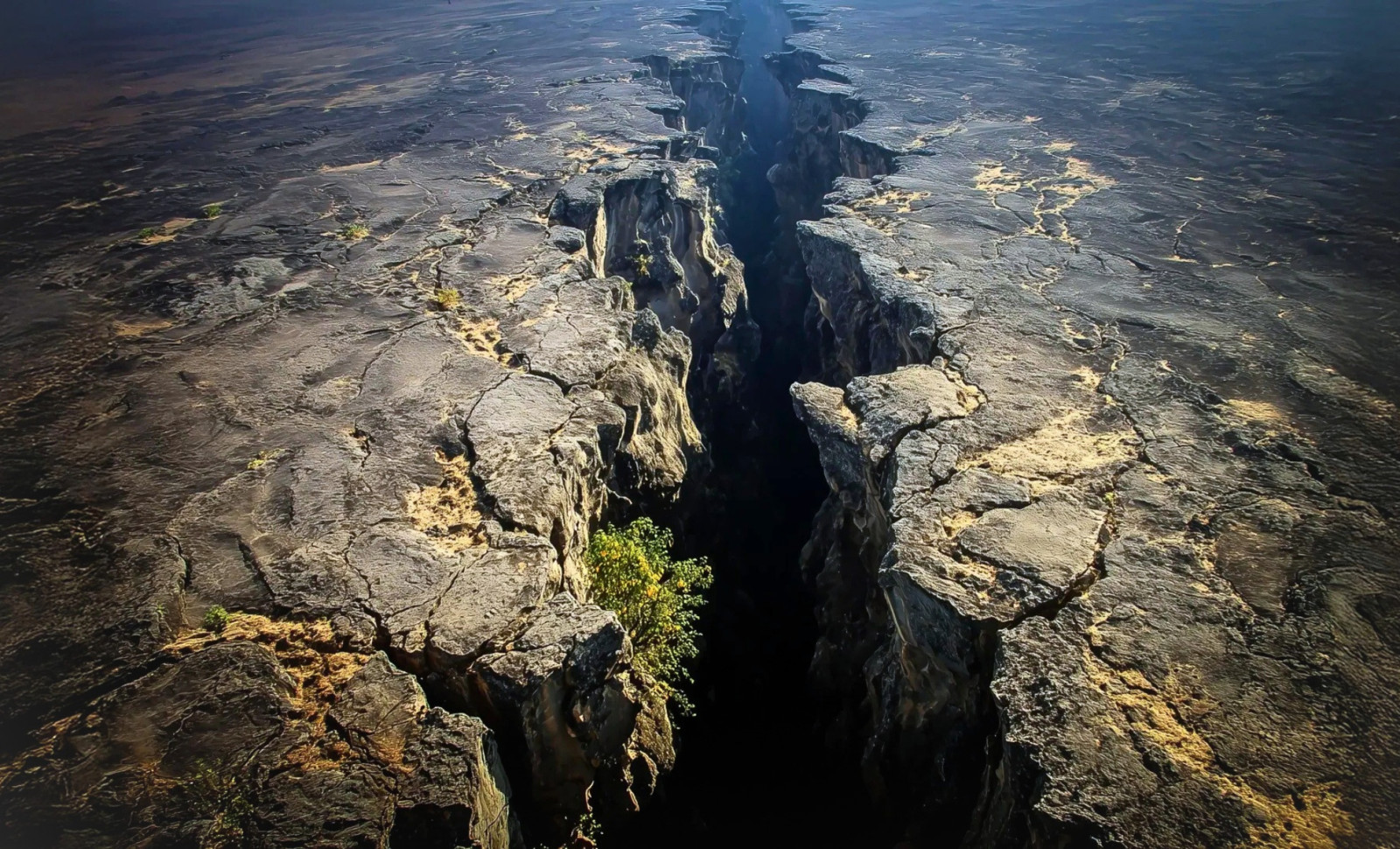
Researchers have verified that a major geological fault running through East Africa has reached an irreversible stage. A recent paper published on April 23, 2026, in Nature Communications by the Earth Observatory at Columbia University’s Lamont-Doherty campus reveals that the crust beneath the Turkana Rift, spanning Kenya and Ethiopia, has thinned beyond the critical limit where a continent begins its permanent split—an active rifting phase never previously documented on Earth.
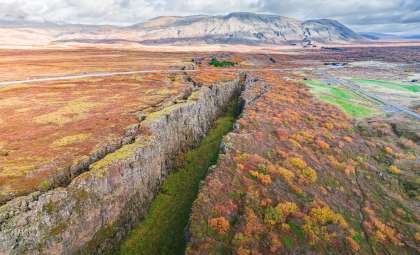
The Turkana Rift is a vast depression measuring about 500 kilometers that lies between Kenya and Ethiopia. It forms part of the East African Rift System, an extensive feature over 3,000 kilometers long, extending from the Afar Depression down to Mozambique. Within this rift, the thickness of the continental crust reduces dramatically, from more than 35 kilometers on the edges to a scant 12.7 kilometers at the center. This level of crustal thinning is classified by scientists as “necking,” an advanced stage immediately preceding the continent’s rupture and the eventual incursion of ocean water.
Observing a Previously Undetected Phase
Continental rifting undergoes three main stages. The initial stage, known as stretching, involves widespread tectonic deformation with modest thinning across numerous faults. Next, during necking, deformation concentrates along the rift axis, causing the crust to thin significantly and weaken. The final phase, oceanization, occurs when magma intrudes through the fractured crust, creating new oceanic crust.

Prior to this discovery, no active rift worldwide had been directly observed in the necking phase. Scientists had only recognized this stage in ancient, inactive geological formations. The Turkana Rift presents the unprecedented opportunity to study crustal necking as it unfolds.
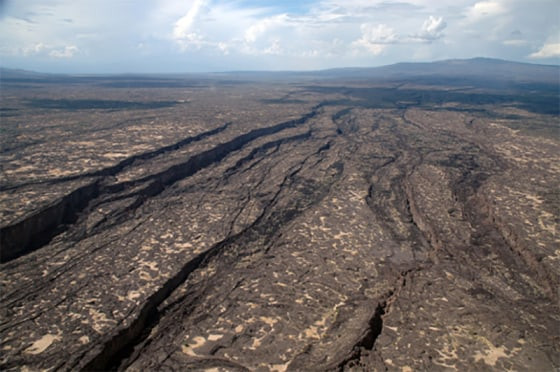
“Our data show that the rifting process here is further along, accompanied by greater crustal thinning than previously understood,” explained Christian M. Rowan, lead author and PhD candidate at Lamont-Doherty’s Earth and Environmental Sciences department. Co-author Anne Bécel noted pointedly, “The crust is at a critical breaking point. This explains its heightened susceptibility to separation.”
A Dual Rift Legacy Weakening the Crust
The Turkana Rift’s advanced stage is the product of two distinct tectonic episodes. Initially, the Central African Rift System stretched the crust northwest-southeast from the Mesozoic era into the early Cenozoic. Subsequently, the East African Rift System began exerting north-south extension roughly 40 to 45 million years ago.
The short interval—under 17 million years—between these two phases meant the crust never fully stiffened through lithospheric healing, a slow process of crustal recovery following heating and deformation. As a result, the second rifting episode impacted already weakened rock, with intensified volcanic activity further destabilizing the region.
As detailed by the Columbia Climate School, this layered history distinguishes the Turkana Rift from other parts of the East African Rift System, where crustal thickness remains above 25 kilometers and the process remains at the early stretching phase. The Turkana Rift leads not due to stronger tectonic forces, but because of this preexisting crustal vulnerability.
Timing the Shift to Necking
The team pinpointed the transition from stretching to necking to about 4 million years ago, coinciding with extensive eruptions of the Gombe basalts and a shift in magma chemistry. Basalt derived from mantle plumes was replaced by melt generated through decompression, which occurs as pressure decreases due to thinning crust.
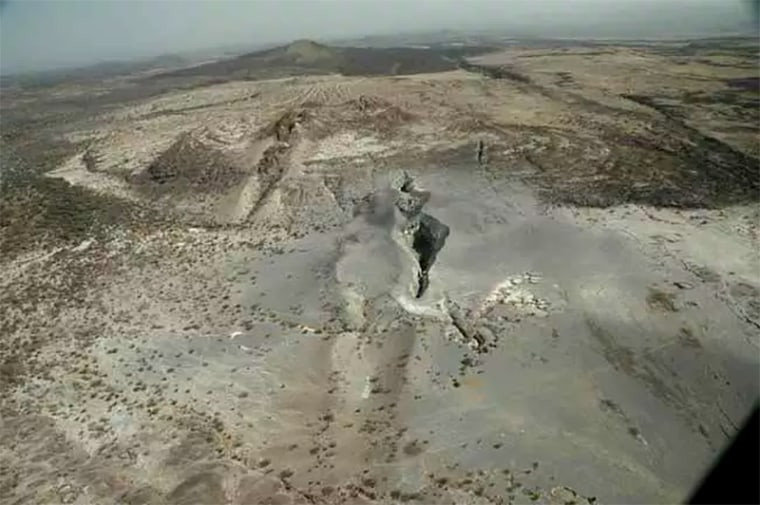
Since then, extension rates along the rift axis have nearly doubled. The central fault system, called the Shore Fault System, now accommodates strain at approximately 1.2 millimeters per year. Data on earthquakes indicate deformation focusing on the necked zone, with less activity on its flanks.
This research combined seismic reflection surveys collected through partnerships with oil industry firms in Kenya and borehole studies from the Turkana Basin Institute, established by late paleoanthropologist Richard Leakey. Sound wave reflections were analyzed in unprecedented detail to map crustal thickness beneath the rift.
Rethinking Africa’s Rich Fossil Record
Over 1,200 hominin fossils dating back 4 million years have been excavated in the Turkana Rift, accounting for roughly one-third of all hominin finds in Africa. Traditionally regarded as a vital cradle of human evolution, the new findings suggest the region’s geological conditions played an equally important role.
Before necking began, the rift consisted of scattered, small sedimentary basins with slow, irregular filling. Once necking started around 4 million years ago, the landscape subsided, merging these basins and accelerating sediment deposition. This rapid burial was crucial for preserving fossils. "The geological environment created ideal conditions for a continuous fossil archive," notes Rowan.
This insight implies that the Turkana Rift’s significance may stem less from being a preferred habitat of early humans and more from tectonic forces providing an exceptional fossil preservation setting.
Implications for Future Research
Complete separation of the African and Somali plates lies millions of years ahead. Scientists estimate the oceanization stage—where magma forms oceanic crust and seawater floods the rift—will commence only after several more million years.
In the near term, this discovery offers unprecedented opportunities for science. Lamont-Doherty co-author Folarin Kolawole emphasized: “We now have a unique vantage point to observe a pivotal stage of rifting that has shaped all rifted margins globally.”
Since every major ocean basin experienced a necking phase prior to opening, the Turkana Rift stands as the sole active site where this process can be examined directly using modern instrumentation and satellite technology.
- Categories:
- Science








0 comments
Sign in to Comment