
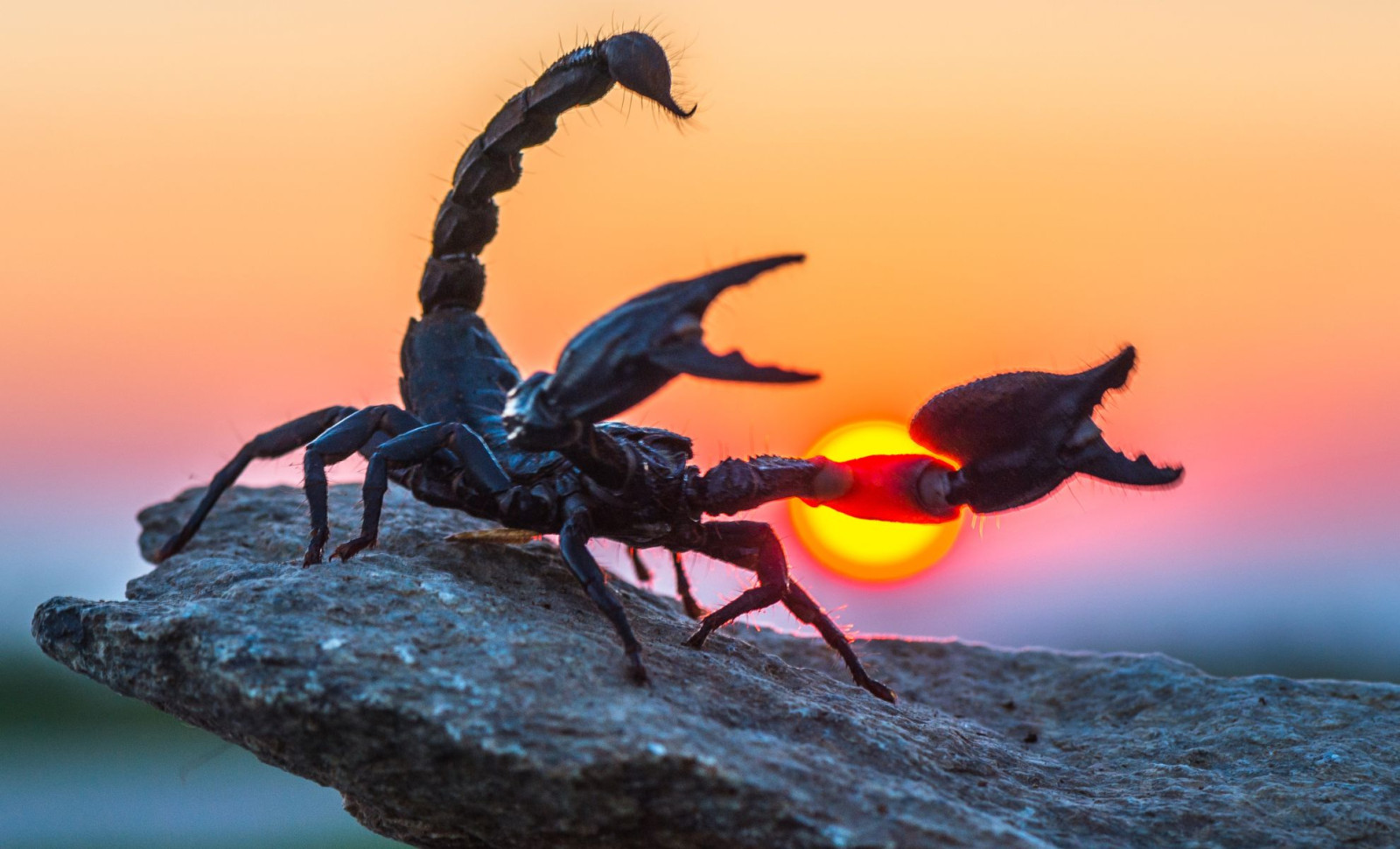
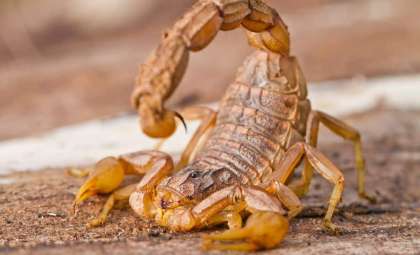
Researchers have identified a previously unknown scorpion species named Jeholia longchengi from China’s renowned Yixian Formation. This specimen dates back roughly 125 million years to the Early Cretaceous era, representing the very first Mesozoic scorpion found within Chinese territory.
The Yixian Formation, celebrated for its exceptionally preserved fossils of early birds, dinosaurs, and other prehistoric life, has become even more scientifically valuable due to this rare find. This ancient predator enriches our understanding of Cretaceous ecosystems and illustrates its ecological relationships during that time.
China’s First Mesozoic Scorpion Discovery
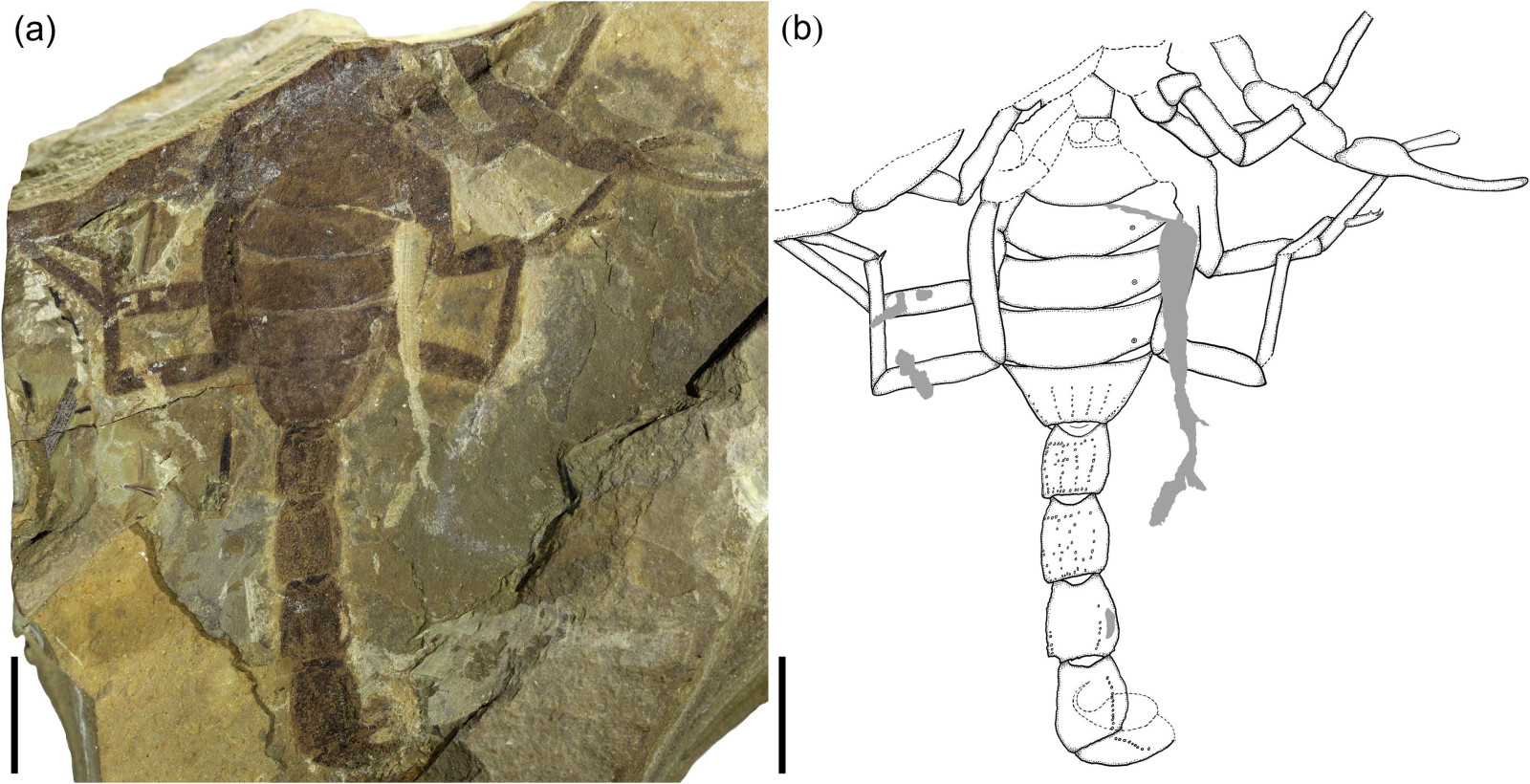
This newly described species is the initial Mesozoic-era scorpion fossil documented from China. It was excavated in Heishangou village in Chifeng City, Nei Mongol, an area famed for its wealth of fossil remains.

Distinct from most scorpions of this period, which are typically found entombed in amber, this individual was preserved in mudstone, offering unique insights into scorpion biology.
A study in Science Bulletin reveals that Jeholia longchengi was approximately 10 cm (4 inches) long, larger than many similar predators from the same time frame.
Diet and Ecological Impact of Ancient Scorpions
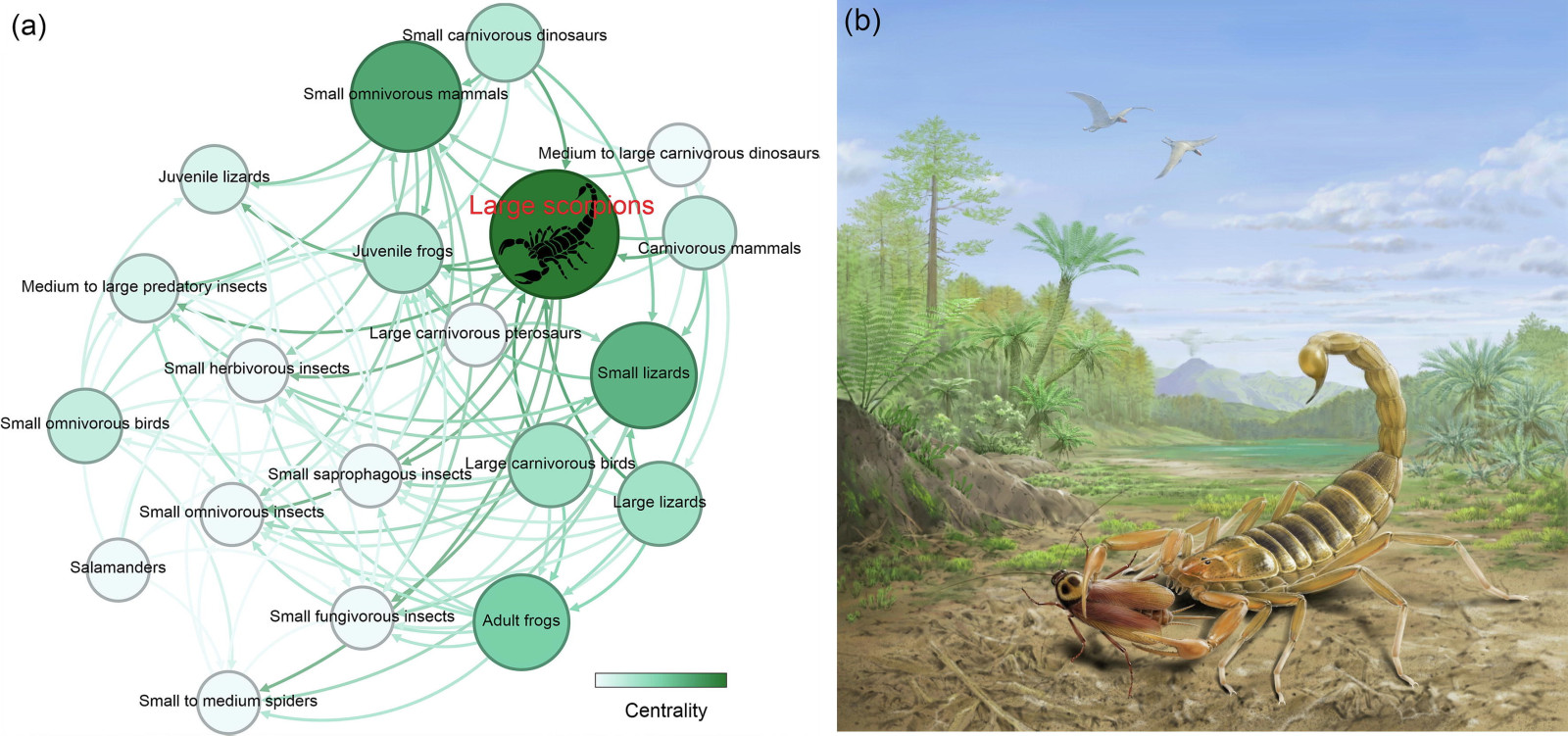
Jeholia longchengi probably occupied an important niche, hunting various insects and potentially small vertebrates including frogs and lizards. Due to the absence of preserved mouthparts, exact dietary habits remain hypothetical.
Nonetheless, it is thought to have been a vital component in a complex food network, interacting with diverse species, possibly including early mammals, birds, and even dinosaurs.
The fossil evidence supports the idea that venomous predators like Jeholia longchengi played a significant role in regulating insect populations and may have also served as prey for larger animals. Researchers commented:
“In the Jehol Biota food web, large scorpions exhibit the highest betweenness centrality among all guilds, underscoring the likelihood that the fossil scorpion may have had extensive ecological interactions with other species in the early terrestrial ecosystem.”
A Vital Puzzle Piece from the Jehol Biota
The Jehol Biota is celebrated as one of the richest fossil repositories for the Early Cretaceous, offering remarkable finds ranging from feathered dinosaurs to primitive birds.
Before this discovery, scorpions were absent from the fossil lineup of this region, making Jeholia longchengi an important and surprising addition.
“Despite the numerous fossil species reported, no fossil scorpions have been recorded until now,” said the authors.
With this find, scientists can further explore how scorpions contributed to the biodiversity and ecological dynamics alongside other well-documented species from the era.
- Categories:
- News







0 comments
Sign in to Comment