

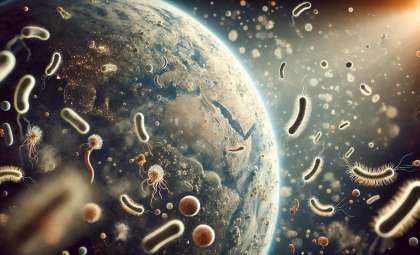
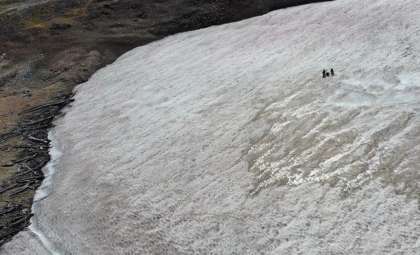
Deep in Alaska’s frozen landscape, researchers have successfully revived microbes that have been encased in permafrost for nearly 40,000 years. These microorganisms have begun to show signs of metabolic activity, starting gradually and later accelerating, highlighting the remarkable endurance of life under prolonged freezing conditions. The recent study, featured in JGR Biogeosciences, explores how these ancient life forms respond as rising temperatures penetrate deeper into formerly frozen soils.
An Unusual Beginning to Innovative Research
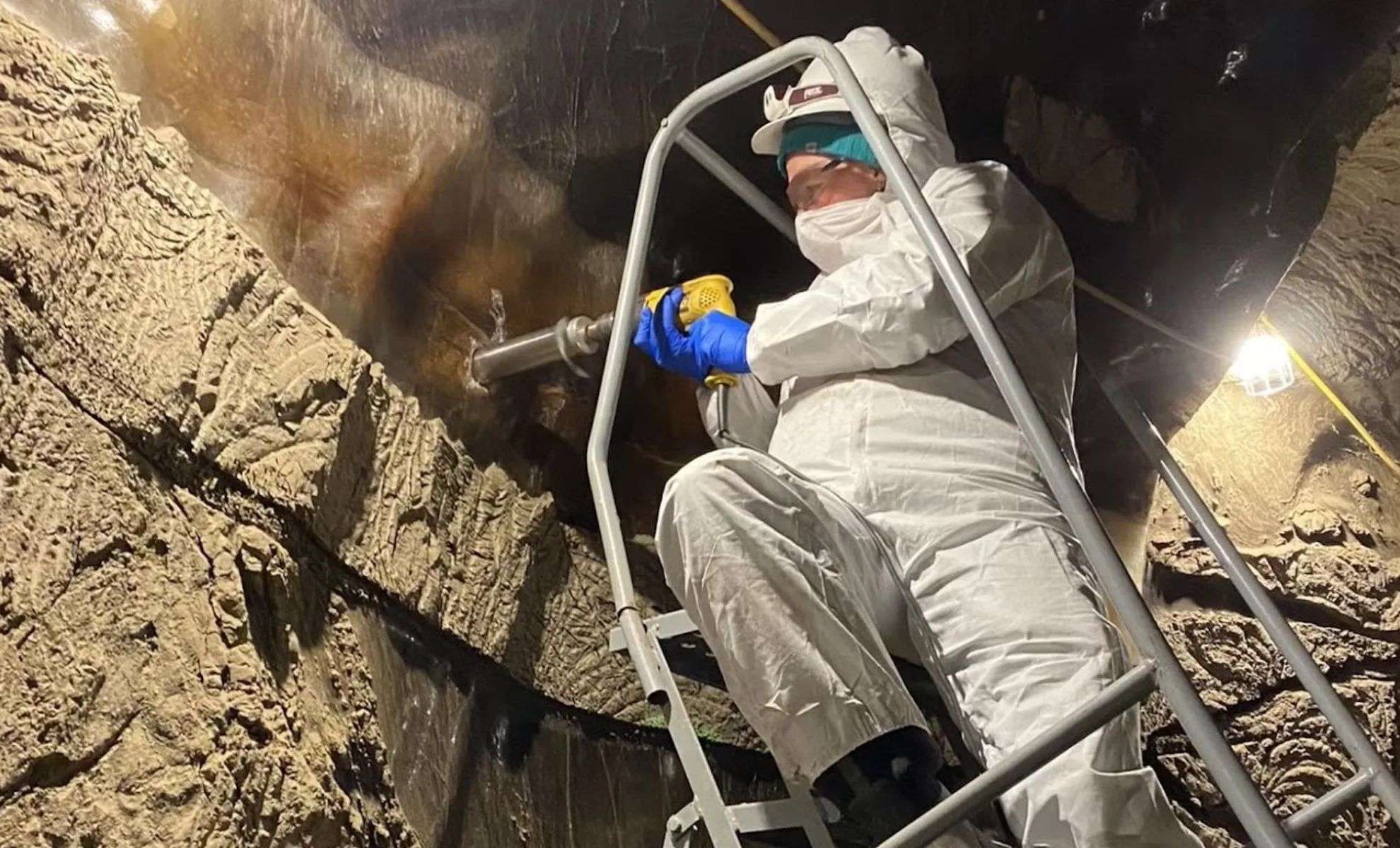
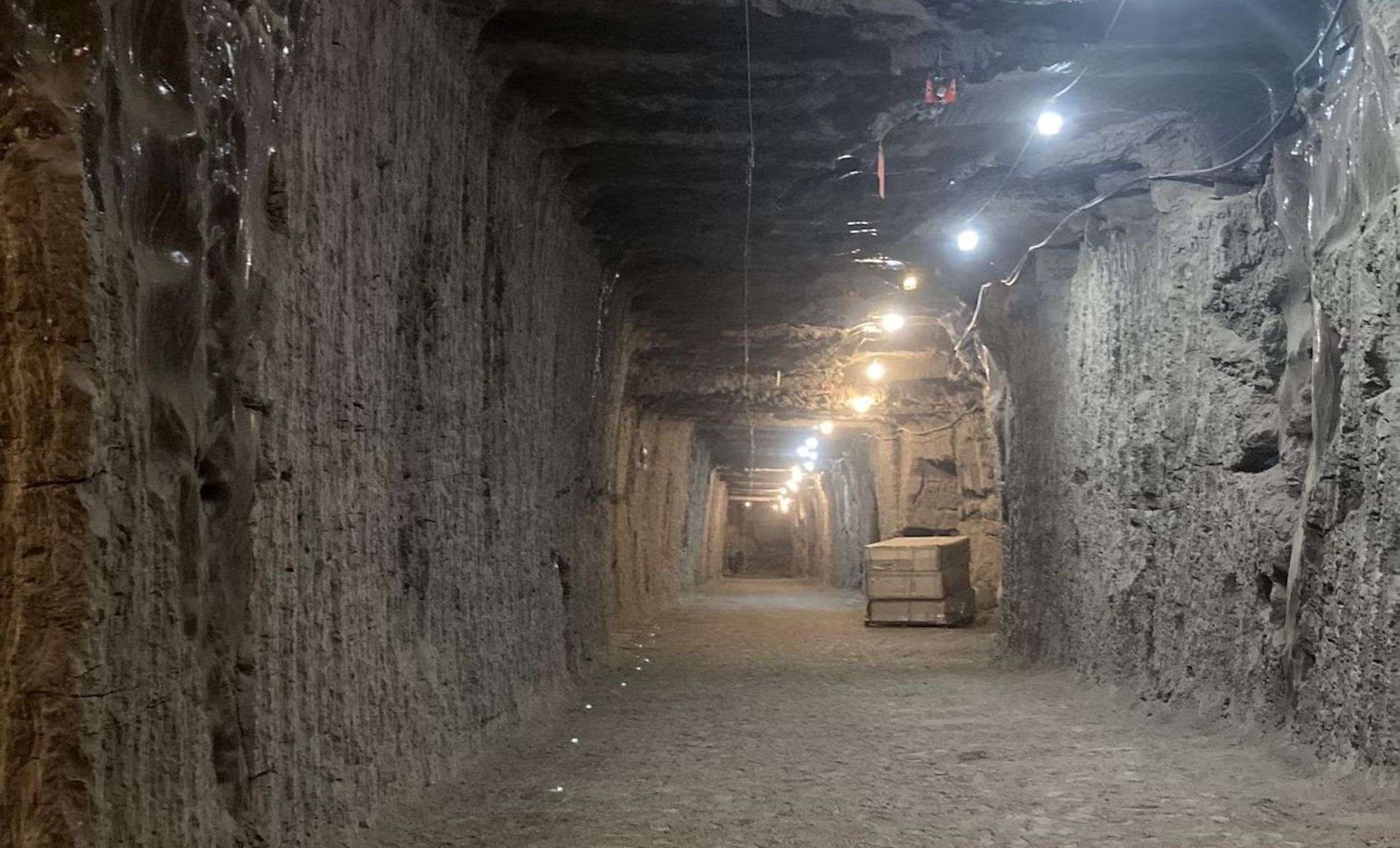
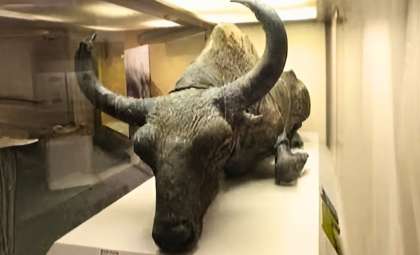
In a secluded tunnel operated by the US Army Corps of Engineers, scientists traveled over 350 feet below the surface to retrieve permafrost cores. While prehistoric relics like mammoth bones embedded in the walls reflect an ancient era, the primary interest was microscopic. Geological scientist Tristan Caro described the entrance scent as reminiscent of a stale basement left unused for years—a sign that proved encouraging to the microbiology team.
This distinctive aroma often suggests active microbial processes. The expedition aimed to examine these microbes, which had lain dormant without growth or feeding for tens of thousands of years. Upon thawing, these tiny life forms exhibited unexpected vitality, hinting at new insights into ecological and climatic dynamics.

Deliberate Revival with Gradual Growth
The research group, including experts from CU Boulder, recreated summer-like conditions typical of Alaska by adding moisture and maintaining temperatures between 39°F and 54°F. Although these temperatures feel cold to humans, they represent a warmth unusual for sub-Arctic soils. The microbes’ response was surprising.
Instead of rapid population growth common to many bacteria, these ancient organisms multiplied at an extremely slow rate—sometimes producing only one new cell per 100,000 each day. This sluggish pace persisted for several months before populations rapidly expanded. After approximately half a year, some groups developed thick, gooey biofilms, observable without magnification.
The experiments showed that the duration of exposure to warmer conditions played a more essential role than short heat bursts.
“You might have a single hot day in the Alaskan summer,” Caro noted, “but what matters much more is the lengthening of the summer season.”
If the warming period extends further into spring and autumn, these microbial communities could stay active far beyond previous predictions.
Implications of Awakening Ancient Microbes
The impact of thawing permafrost remains a critical uncertainty in climate projections. These frozen soils contain vast carbon reserves stored in organic materials. When microbes consume these compounds, they emit methane and carbon dioxide, greenhouse gases with significant warming potential. A key concern is that permafrost thaw will reawaken more microbes, increasing greenhouse gas outputs and creating a feedback loop that accelerates global warming.
“These are not dead samples by any means,” Caro emphasized. “They’re still very much capable of hosting robust life that can break down organic matter and release it as carbon dioxide.”
Further Exploration Needed Beyond Single Location
This research was confined to one Alaskan site, even though permafrost extends across vast regions including Siberia and northern Canada. As Caro remarked, “We’ve only sampled one tiny slice of that.” How microbial activity unfolds in other permafrost areas remains to be seen.
Additionally, there are broader safety questions. Although the revived microbes are believed to pose no threat to humans and were maintained under strict laboratory conditions, natural thawing may release unknown species, potentially including ancient pathogens, with uncertain effects.
- Categories:
- News




0 comments
Sign in to Comment