
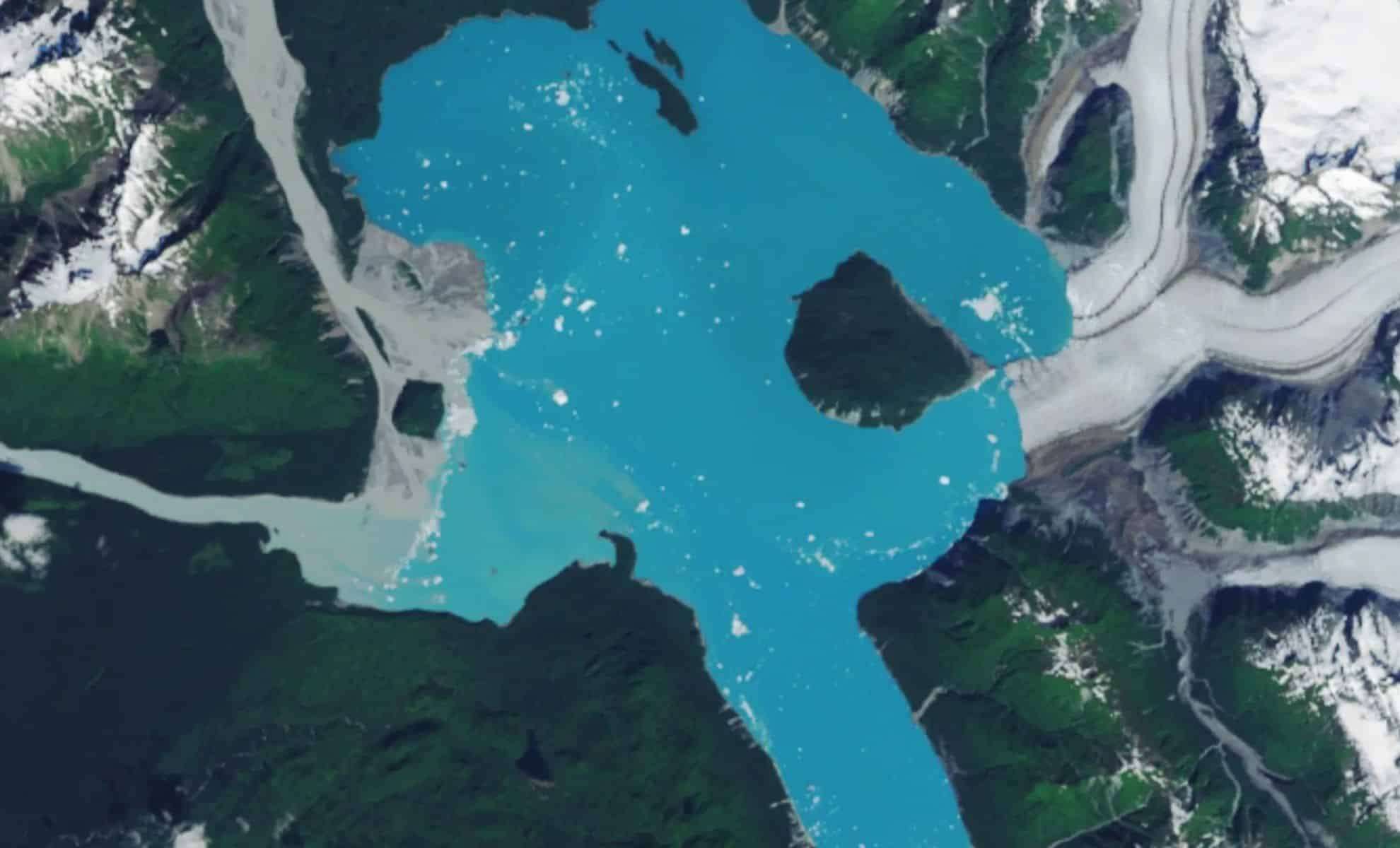
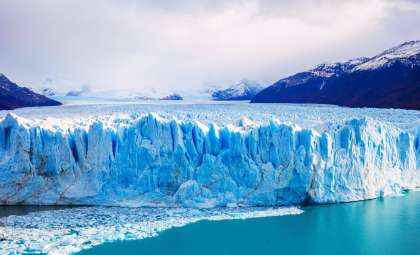
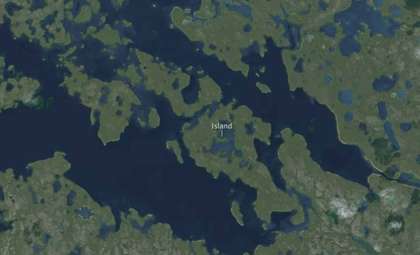
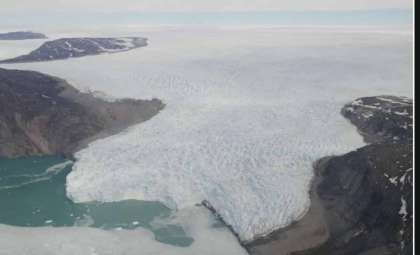
A striking new island has surfaced in southeastern Alaska, highlighting a major environmental shift stemming from glacial melting. NASA's recent satellite observations documented the appearance of an almost two-square-mile landmass that was once encased within the Alsek Glacier’s ice. As the glacier receded, this land area became completely surrounded by water, generating a new island in Alsek Lake.
Revealing Change: Satellite Views Capture Alsek Glacier’s Swift Decline
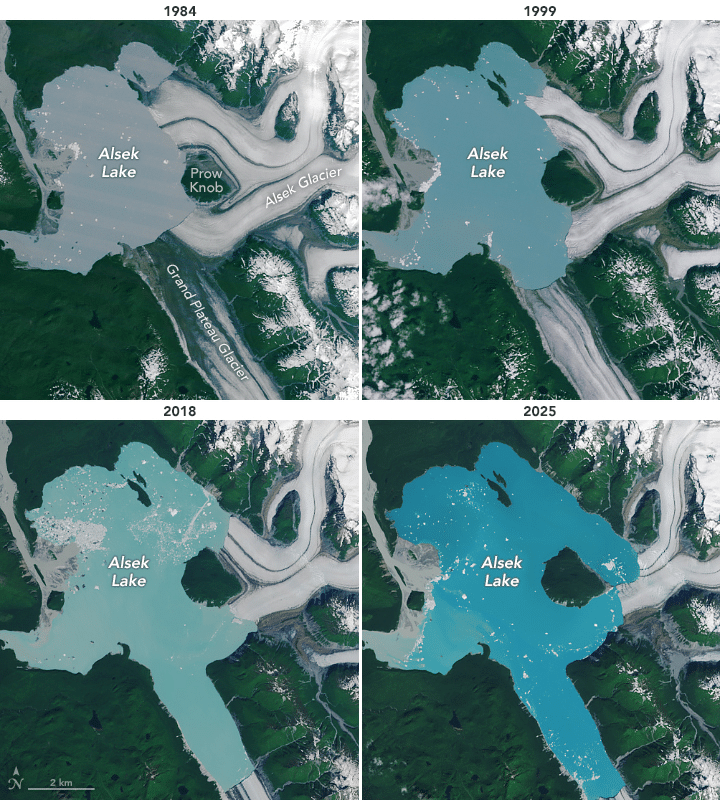
The Alsek Glacier has long dominated Alaska’s coastal landscape, but cutting-edge satellite imagery reveals its rapid transformation. According to NASA, the glacier’s retreat has intensified over several decades. Landsat satellite snapshots from July 5, 1984, and August 6, 2025, distinctly illustrate how Prow Knob, previously under ice, is now completely surrounded by water, marking the island’s formation in Alsek Lake. This change occurred between July 13 and August 6, 2025, as melting ice unveiled Prow Knob.
This swift geological shift fits into a broader trend of glacier withdrawal in southeastern Alaska, monitored for many years. Experts like Mauri Pelto, a glaciologist at Nichols College, have recorded steady glacier reductions since the early 1900s. Although Alsek Glacier had noticeably receded by the 1990s, detachment of ice from Prow Knob signifies a pivotal development in this ongoing retreat.

Glacial Retreat Sculpting New Lakes and Islands
The diminishing glaciers create brand-new landforms, frequently leading to proglacial lakes where ice once prevailed. These lakes emerge when melting glaciers cause the ice barriers to weaken, releasing trapped waters. With the Alsek Glacier, this process expanded Alsek Lake from roughly 17 square miles in 1984 to nearly 29 square miles by 2025, exemplifying glacier-driven landscape change.
As glaciers recede, they discharge substantial meltwater, flooding former ice-covered territories. Some lakes rapidly grow, submerging previously unreachable zones. For the freshly formed island in Alsek Lake, this means its isolation by increasingly widespread waters, driven by ongoing glacier melt.
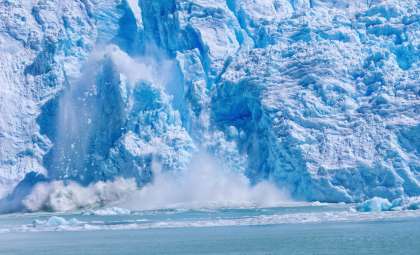
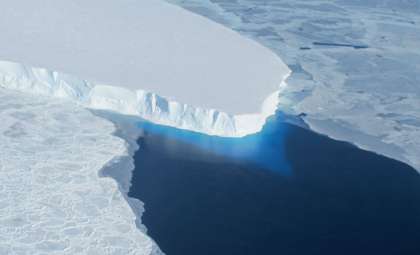
This pattern is especially notable along southeastern Alaska’s coastal plains, where glaciers have continually thinned and drawn back in recent decades. As the ice thins, the structural integrity of natural ice dams falters, prompting ecosystem transformations. NASA also notes these changes often accompany calving events, where large ice chunks detach, further shaping new aquatic landscapes.
Glacial Melting's Ecological Impact
The loss of glaciers significantly alters surrounding habitats. Glacier retreat exposes fresh terrain, possibly supporting emerging ecosystems, but it simultaneously disrupts established ones by changing water circulation and temperature, affecting wildlife and vegetation.
In the case of Alsek Glacier, the development of new water bodies and islands presents both ecological challenges and potentials. While the island might eventually foster distinctive plant and animal communities, its sudden appearance disturbs the previous environmental balance. The shift from permanent ice to open water influences species dependent on stable icy conditions.
Meanwhile, Alsek Lake's expansion could encourage new aquatic species. The influx of fresh meltwater might benefit certain fish varieties, contingent on ecosystem adaptation. Researchers continue to observe these shifts to understand how glacier retreat restructures local biodiversity.
Using Satellite Technology to Understand Glacial Evolution
Satellites are essential for examining glacier responses to climate change. NASA’s Landsat satellites deliver vital long-term data tracking glacier recession, landscape alterations, and water body expansion. Imaging from 1984 through 2025 offers insight into Alsek Glacier’s progression and the accompanying terrain evolution.
Satellite monitoring provides precise data enabling scientists to quantify and compare glacier retreat over time. This technology reveals not only the dwindling of ice masses but also the growth of lakes and islands that emerge as glaciers withdraw.
By leveraging satellite observations, experts can forecast future environmental shifts caused by ongoing glacial melt. Anticipating these changes plays a key role in preparing for climate change outcomes such as sea-level rise and ecosystem adjustments.
- Categories:
- News



0 comments
Sign in to Comment