
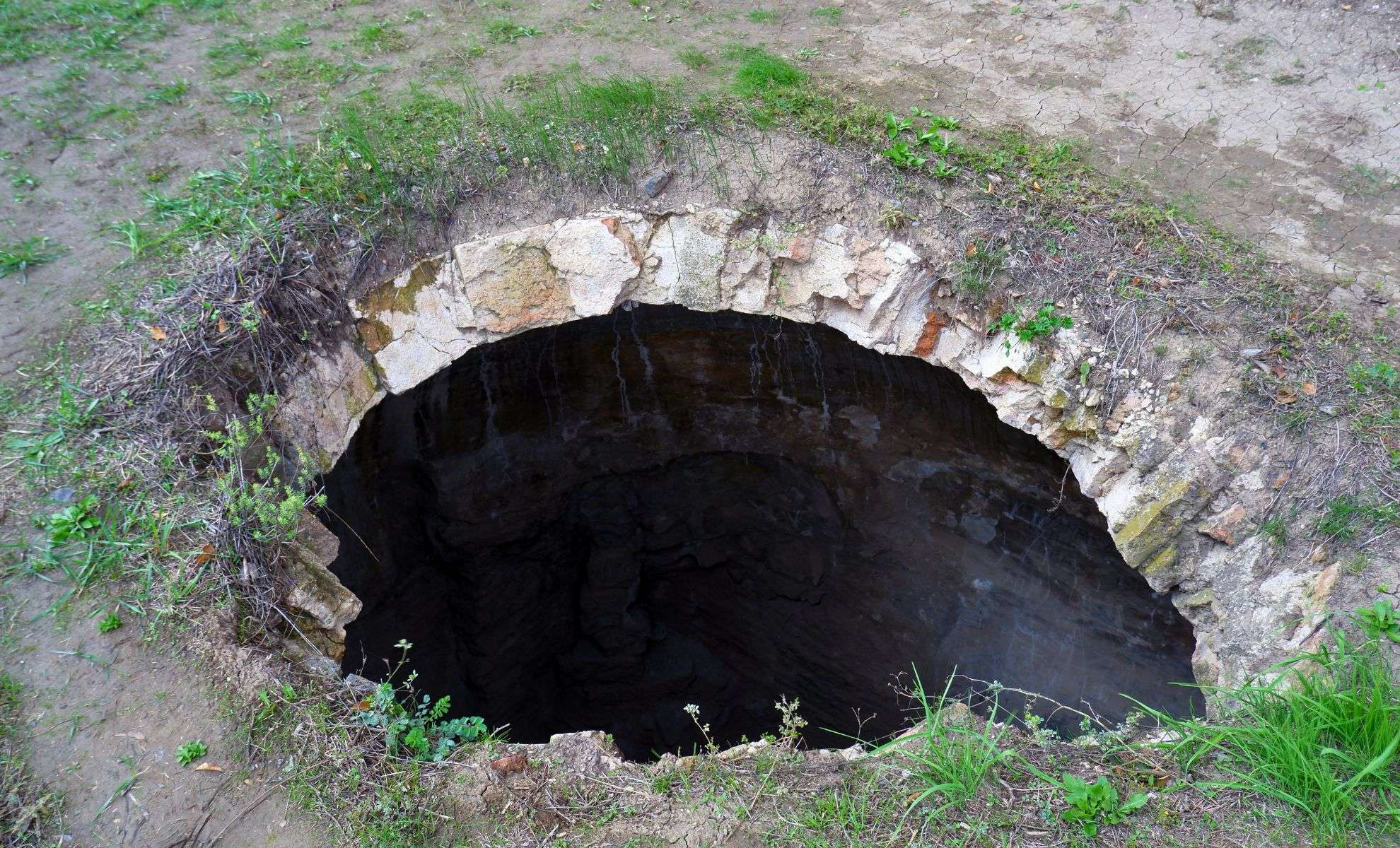
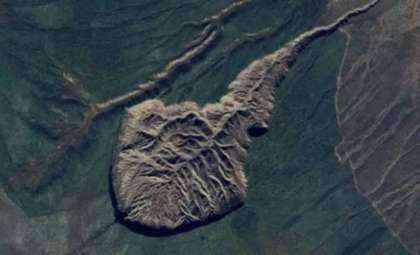
Over the past decade, colossal craters burst open in Siberia’s Yamal and Gydan peninsulas have mystified researchers. First documented in 2012, these enormous depressions releasing trapped gases highlight secrets locked in permafrost layers.
Recent findings published in Science of the Total Environment reveal that these craters form through an interplay of climate-driven warming, unique geological structures, and an abundance of natural gas reserves underground. This innovative explanation advances our grasp of how rising temperatures are transforming Siberia’s frozen terrain.
Decoding the Mystery of the Craters
For years, the cause of these spectacular formations puzzled the scientific community. Earlier theories ranged from meteorite impacts to spontaneous gas detonations, but neither fully explained why the phenomenon was limited to this Siberian region. Now, researchers at the University of Oslo offer a more robust model detailing their emergence.

Led by Dr. Helge Hellevang, the team analyzed geological records and performed complex simulations to uncover the process behind these eruptions. Their research suggests that heat and gas migrating from beneath the Earth’s surface instigate the disruption.
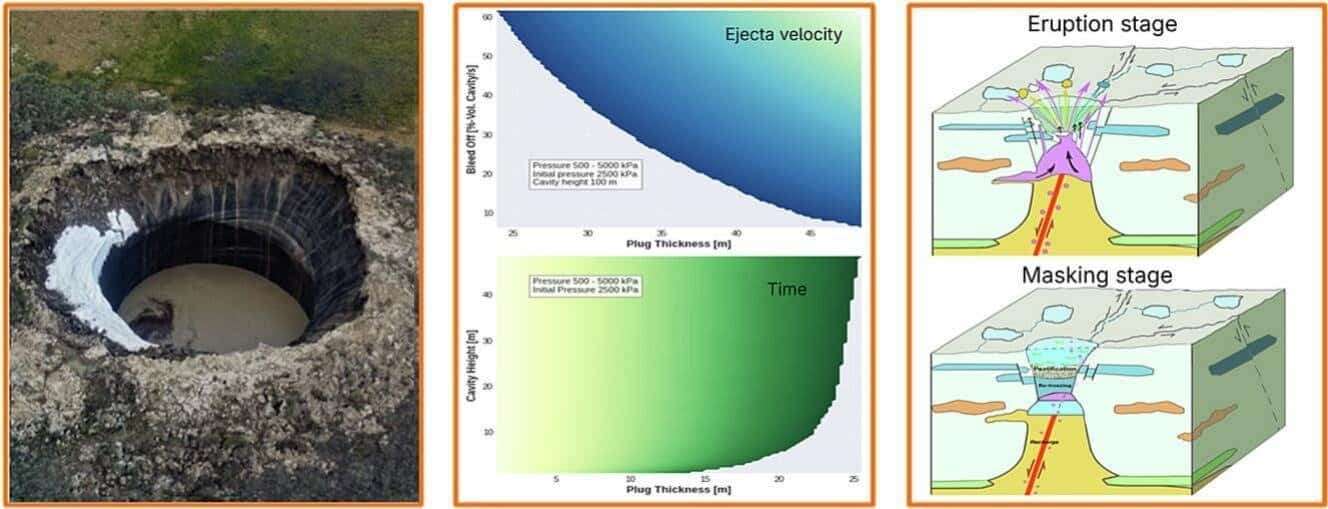
The gradual warming weakens the permafrost, the thick frozen ground that acts as a cap, maintaining stability. As this permafrost thins due to rising temperatures, gas accumulates underneath until the pressure becomes overwhelming, triggering a violent release and resulting crater formation. This mechanism is distinctly tied to the geological characteristics of the Yamal and Gydan peninsulas.
The Role of Siberia’s Unique Geology in Crater Formation
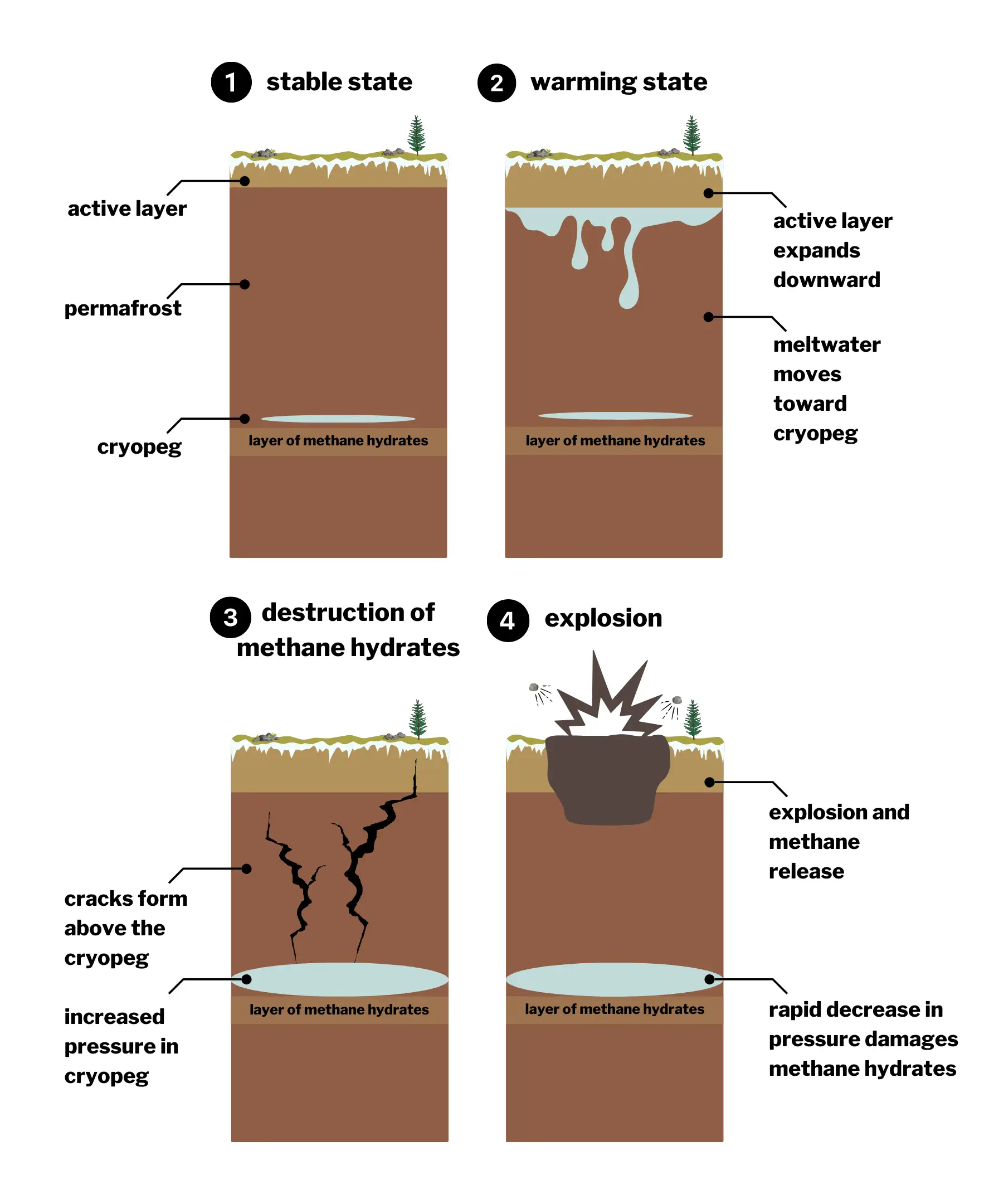
Beyond the insights on the Yamal craters, a recent publication in Geophysical Research Letters delves deeper into how the region’s distinct geology facilitates these explosions. The Yamal Peninsula features rare cryopgs — unfrozen, saline water layers preserved within the frozen permafrost. These remain liquid due to heightened salinity and pressure, nestled above deposits of methane hydrates—frozen methane combined with water stabilized by pressure and cold.
As the permafrost’s active soil layer thaws and expands with warming, meltwater is drawn into the cryopgs through osmosis. However, these pockets cannot absorb the influx, causing pressure buildup that fractures the overlying permafrost.
This sudden release of pressure destabilizes the underlying methane hydrates, unleashing an explosive methane gas discharge that forms the craters. This sequence directly correlates with climate warming, which deepens the thawing layer and introduces meltwater to these subsurface features.
An Emerging Environmental Concern
The researchers emphasize that this phenomenon requires a very particular geological context coupled with rising global temperatures. Chemical engineer Ana Morgado from the University of Cambridge, involved in the study, pointed out that such explosive events only occur under “highly specific conditions” unique to Yamal’s geology.
Although these blasts are uncommon, their environmental impact could be extensive. Methane, a powerful greenhouse gas, released into the atmosphere from these permafrost bursts intensifies climate change by accelerating global warming, making Siberia’s exploding craters a significant ecological red flag as well as a captivating scientific puzzle.
Furthermore, scientists suspect many additional explosions may be concealed from view. The formed craters rapidly fill with sediment and water, which can disguise them as regular lakes.
- Categories:
- News



0 comments
Sign in to Comment