
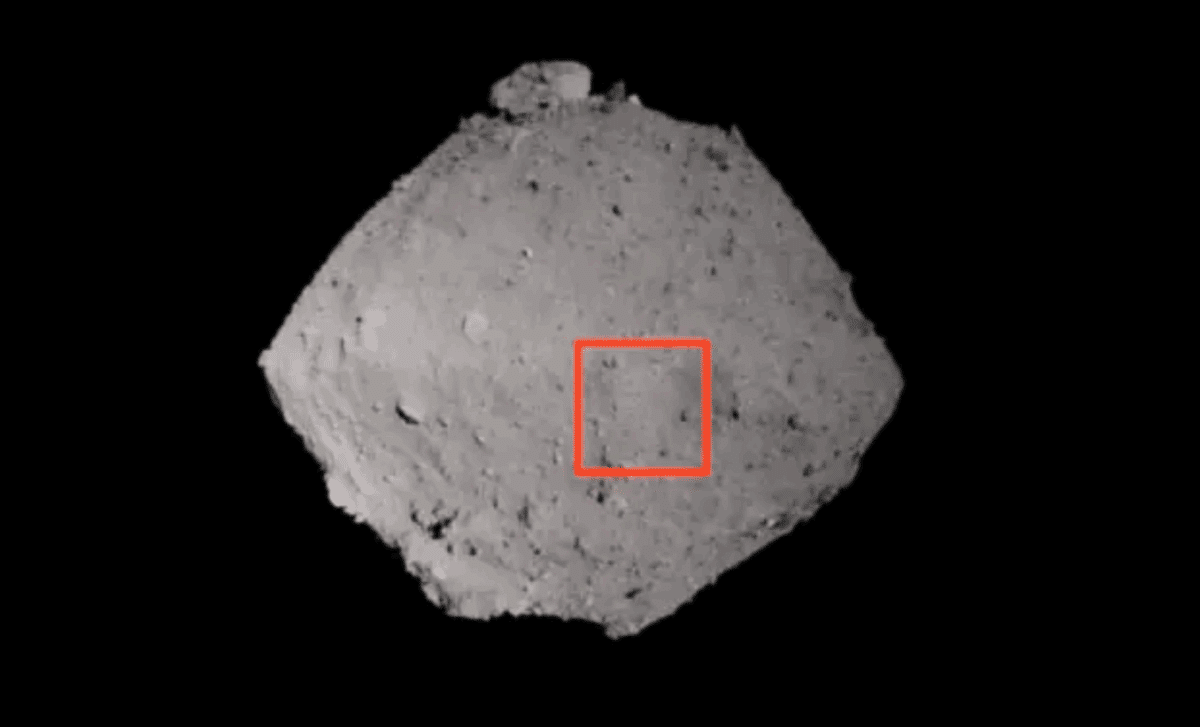
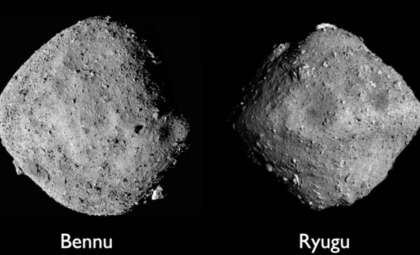
Researchers have made a startling breakthrough, as detailed in a Nature publication, uncovering evidence that liquid water persisted inside the parent body of the asteroid Ryugu over a billion years after its formation. This discovery overturns previous assumptions about the timeline of water in the early solar system and prompts fresh insights into the origins of Earth's water. A team from the University of Tokyo and international collaborators analyzed samples from Ryugu, collected during the Hayabusa2 mission by the Japan Aerospace Exploration Agency (JAXA), shedding new light on planetary genesis and Earth's elemental building blocks.
Liquid Water Found Much Later Than Anticipated on Ryugu
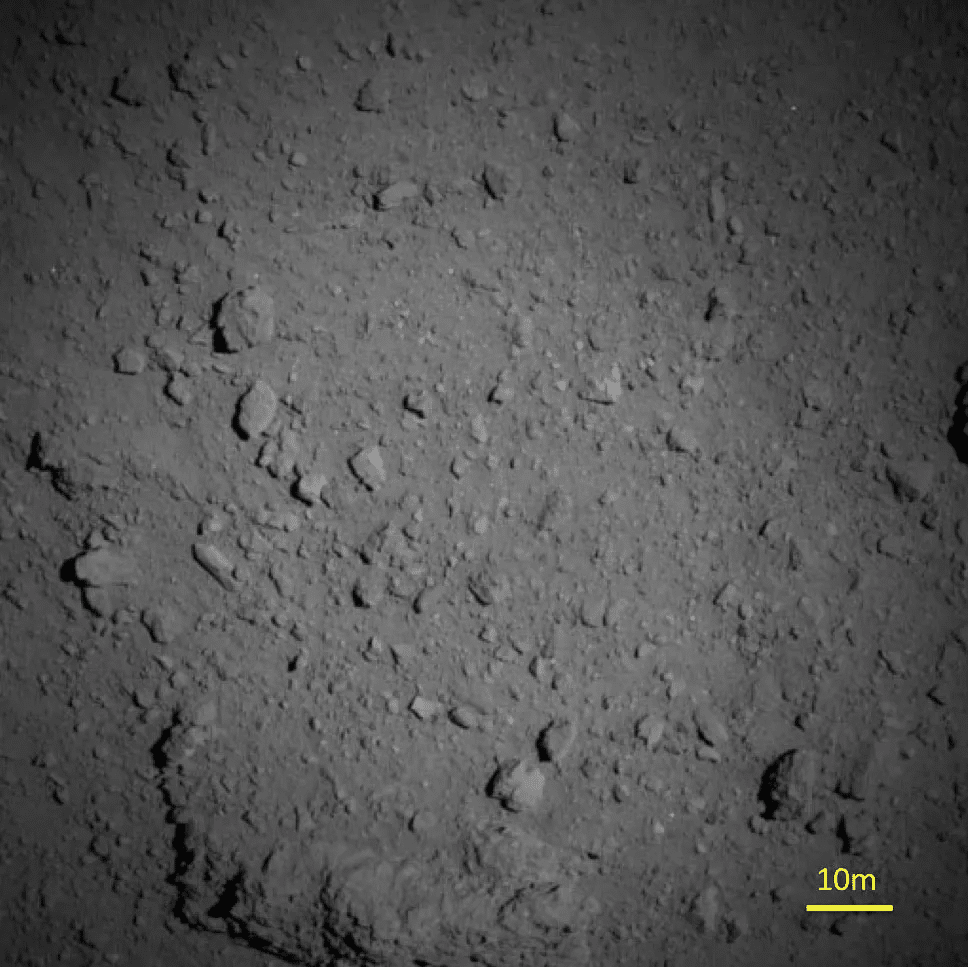
The carbon-rich asteroid Ryugu, located near Earth, has attracted scientific attention due to its potential to hold primordial water signatures. The samples returned by Hayabusa2 in 2018 offered a unique chance to study the chemical features of Ryugu’s ancestor body. Unexpectedly, researchers identified signs showing that liquid water circulated through the asteroid’s minerals more than a billion years post-formation. This revelation challenges established views on asteroids’ contribution to Earth's hydrosphere.
“We found that Ryugu preserved a pristine record of water activity, evidence that fluids moved through its rocks far later than we expected,” said Associate Professor Tsuyoshi Iizuka from the University of Tokyo.
Add Cosmo Herald as a Preferred Source

Reevaluating How Earth Acquired Its Water
Understanding Earth's water origin has long puzzled scientists. Many theories hinge on the idea that carbonaceous asteroids like Ryugu, which formed from icy dust in the solar system’s outer reaches, were key sources delivering water to our planet. Until now, the assumption was that water-related processes on these asteroids ended soon after their creation.
This new evidence upends that belief, proposing that Ryugu’s progenitor retained frozen water for much longer—possibly enriching Earth with more water during its early history than previously recognized.
“The idea that Ryugu-like objects held on to ice for so long is remarkable,” said Iizuka. “It suggests that the building blocks of Earth were far wetter than we imagined. This forces us to rethink the starting conditions for our planet’s water system.”
Should similar processes be confirmed in other celestial bodies, this could drastically alter models for the delivery of water to Earth’s oceans and atmosphere.
Unraveling the Longevity of Water on Ryugu
One of the study’s most intriguing findings is that Ryugu experienced fluid activity much later than scientists anticipated. Earlier models suggested water movements occurred predominantly during the solar system’s infancy—while solids were still coalescing and differentiating. What enabled liquid water to endure on Ryugu for billions of years?
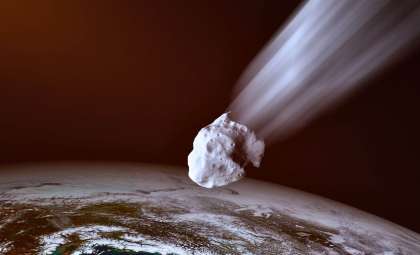
The answer appears tied to Ryugu’s evolutionary history. Researchers propose that a collision with Ryugu’s parent asteroid fractured its rock and triggered melting of the trapped ice beneath the surface, enabling liquid water to travel through the asteroid’s interior long after its formation.
“We thought that Ryugu’s chemical record would resemble certain meteorites already studied on Earth,” said Iizuka. “But the results were completely different. This meant we had to carefully rule out other possible explanations and eventually concluded that the Lu-Hf system was disturbed by late fluid flow. The most likely trigger was an impact on a larger asteroid parent of Ryugu, which fractured the rock and melted buried ice, allowing liquid water to percolate through the body. It was a genuine surprise!”
- Categories:
- News

0 comments
Sign in to Comment