
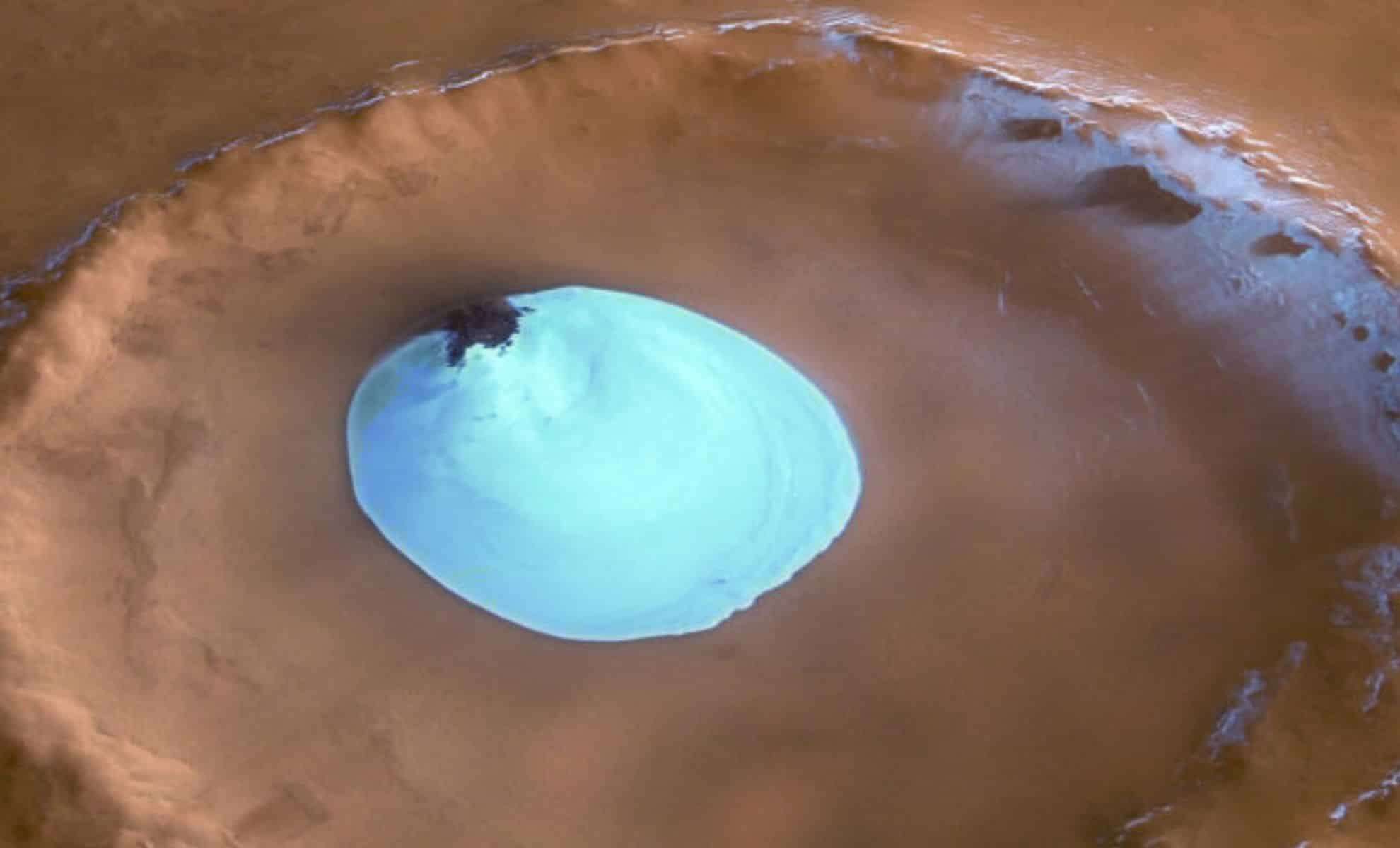
Contrary to the cold and barren world we observe today, Mars once hosted environments rich in hot water. Recent studies have uncovered evidence dating back over 4.4 billion years, showing that the Red Planet had conditions potentially suitable for life early in its development. This revelation comes from analyzing a microscopic zircon crystal found within a Martian meteorite.
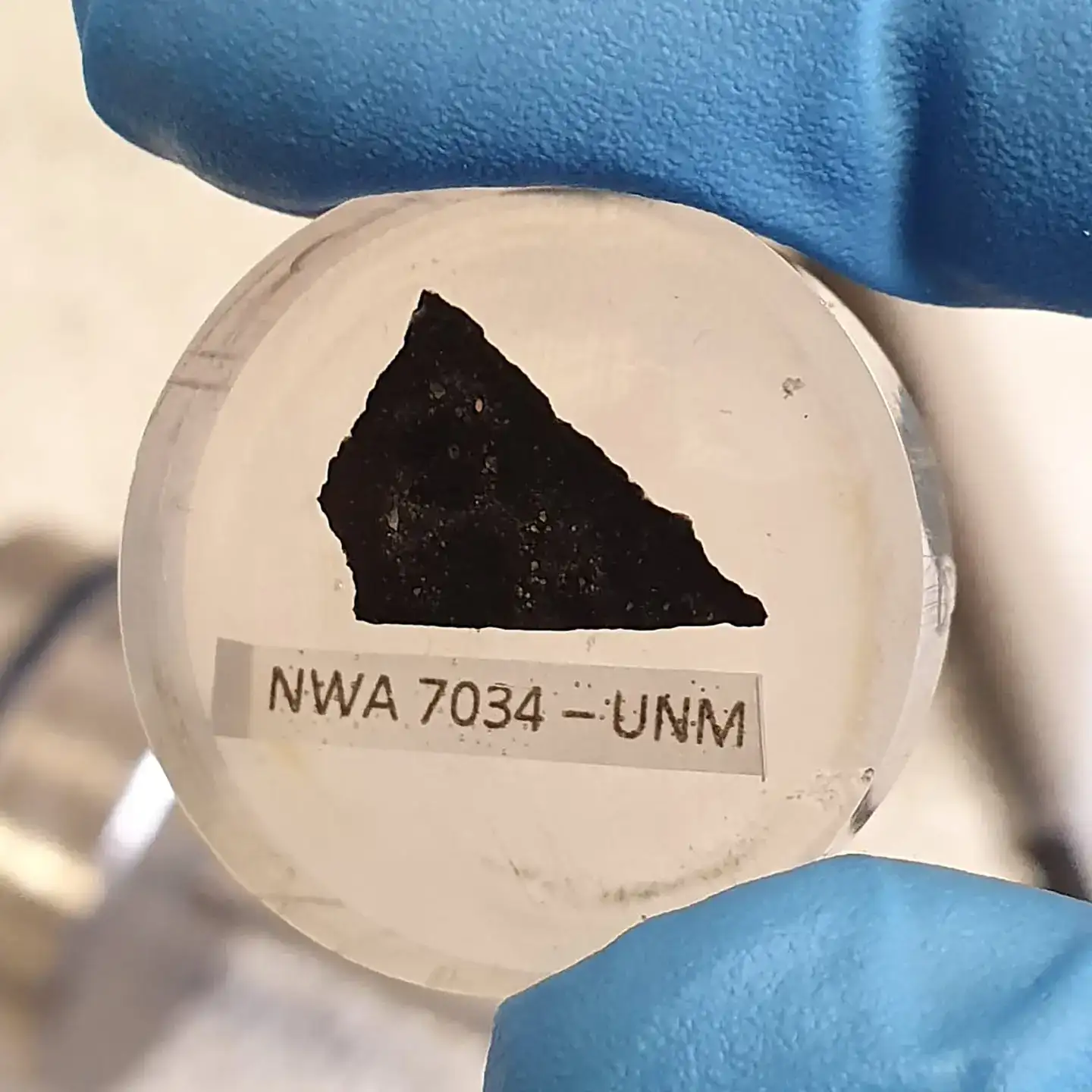
Led by researchers at Curtin University, the investigation focuses on the meteorite Northwest Africa 7034, affectionately named “Black Beauty.” This ancient specimen provides a glimpse into Mars’ early hydrothermal systems—natural settings where heat and water converge. On Earth, these systems are vital, nurturing life even in extreme habitats. The new findings offer a fresh understanding of Mars’ geological and water history, painting a picture of a planet once more similar to Earth than previously thought.
Decoding the Mysteries of Black Beauty
First found in the Sahara Desert, Black Beauty stands out among Martian meteorites due to its unique composition and rarity. It consists of surface fragments from Mars, containing materials formed during the planet’s primordial geological phases.

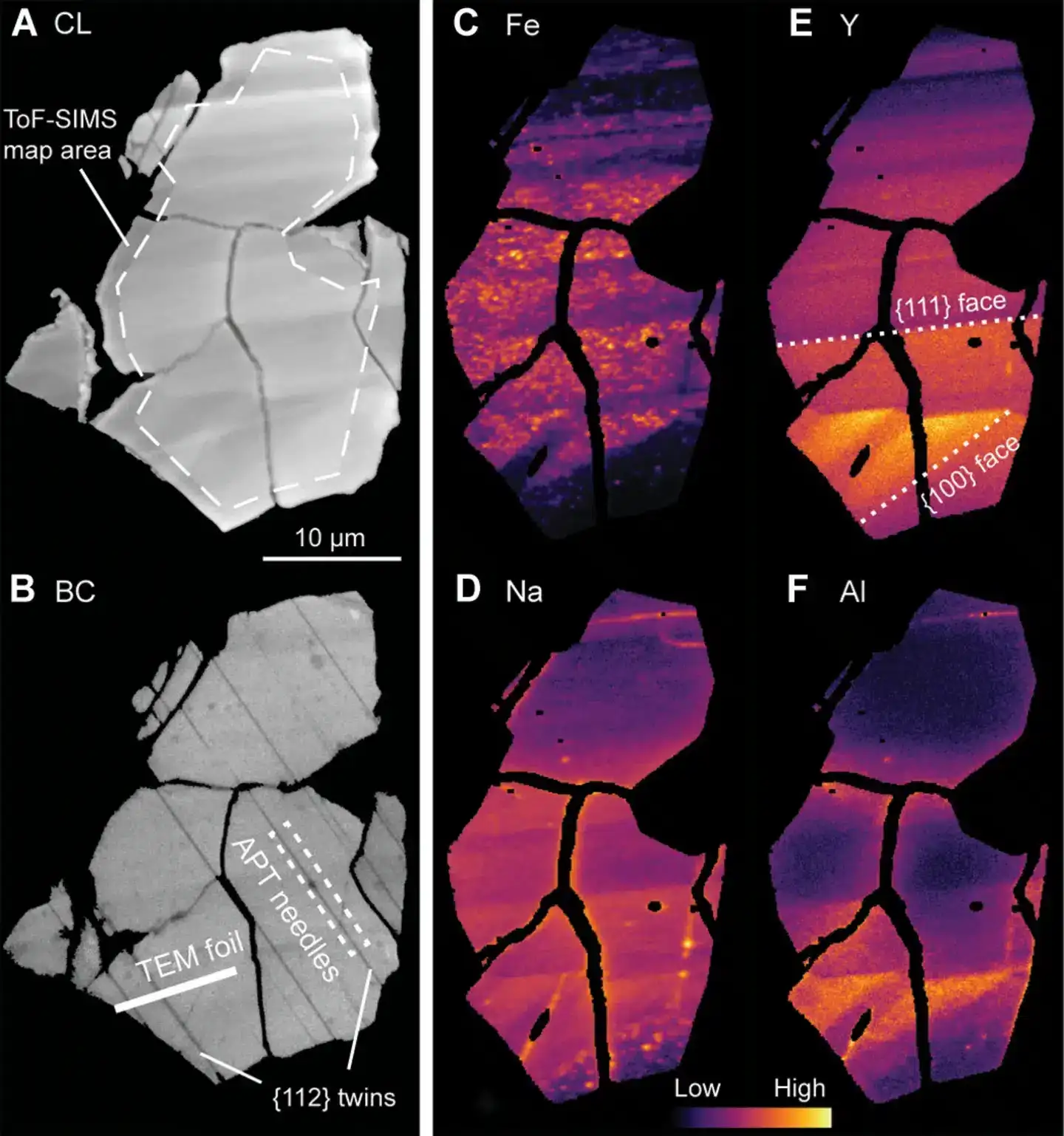
A key element of the research is the discovery of a zircon crystal aged 4.45 billion years embedded in this meteorite. Known for their resilience, zircons preserve geochemical clues about their origins. By employing sophisticated analytical methods, scientists detected traces indicative of water-rich fluids during the crystal’s formation.
Dr. Aaron Cavosie, a planetary geologist at Curtin University, emphasized the discovery’s importance:
“Hydrothermal environments played a critical role in life’s emergence on Earth. Our study shows Mars also possessed water—a fundamental ingredient for life—during the early stages of its crust formation.”
This zircon offers the earliest direct proof of hydrothermal activity on Mars in the Pre-Noachian era, over 4.4 billion years ago. It represents the oldest recorded evidence of water-laden conditions, broadening our perspective on Mars’ habitability potential.
The Impact of Hydrothermal Systems
Hydrothermal environments, where hot water interacts with minerals, are promising niches for fostering life. On Earth, they exist in deep-sea vents and geothermal springs, providing energy and nutrients that sustain microbial communities. The detection of similar systems on early Mars implies the Red Planet might have had comparable habitats.
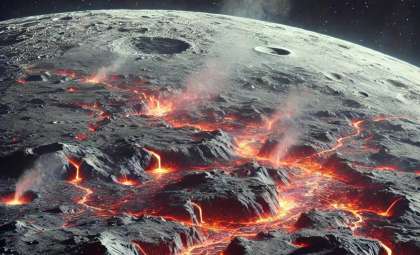
The zircon analysis revealed chemical elements such as iron, aluminum, yttrium, and sodium, all characteristic of water-rich environments. These findings suggest active volcanic processes moved heated fluids through Mars' crust, creating localized zones of warm, mineral-loaded water—ideal for pre-life chemical reactions or early microbial life.
Dr. Cavosie elaborated on the broader significance:
“This research advances our understanding of Mars’ earliest history. The geochemical fingerprints in the grain offer clear indicators of water presence in the planet’s oldest crust.”
A History Marked by Intense Change
The zircon grain not only records water activity but also reveals Mars’ violent early past. It represents the first known instance of a shocked zircon from Mars, displaying deformation caused by extreme pressure impacts from meteorites. Impact forces measured over 20 gigapascals had significant effects on Mars’ geology and water systems.
The shock event captured in the zircon predates its inclusion in Black Beauty, indicating that Mars experienced strong geological disturbances while hydrothermal processes were ongoing. Such conditions may have created unique habitats where life could emerge.
Comparing Mars and Earth’s Early Worlds
Insights from Black Beauty also hint at Mars’ ancient magnetic field. Similar to Earth’s geodynamo, Mars once had a molten iron core generating a protective magnetic shield. This field would have guarded the atmosphere against solar winds, enabling liquid water to linger on the surface.
These similarities spark compelling queries about planetary development and life’s origins. Could Mars have hosted life forms like Earth in its youth? If so, might remnants still exist within its ancient rocks or beneath its surface?
Future Prospects for Exploring Mars
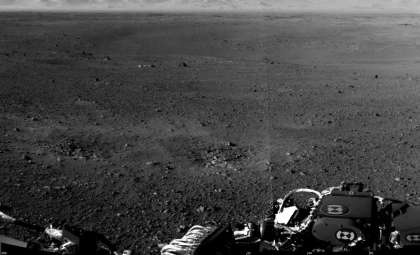
Although Mars is now a cold desert, this new evidence suggests it once had a dynamic environment that might have supported life. Upcoming missions, including NASA’s Perseverance rover and upcoming sample-return endeavors, may uncover further clues about the planet’s watery past.
The research also underscores the vital role of meteorites such as Black Beauty in unraveling planetary histories. These extraterrestrial rocks act as time capsules, helping scientists reconstruct early planetary conditions and evaluate habitability. Continued study of Martian samples promises to deepen our understanding of the Red Planet’s ancient landscape.
- Categories:
- News









0 comments
Sign in to Comment