
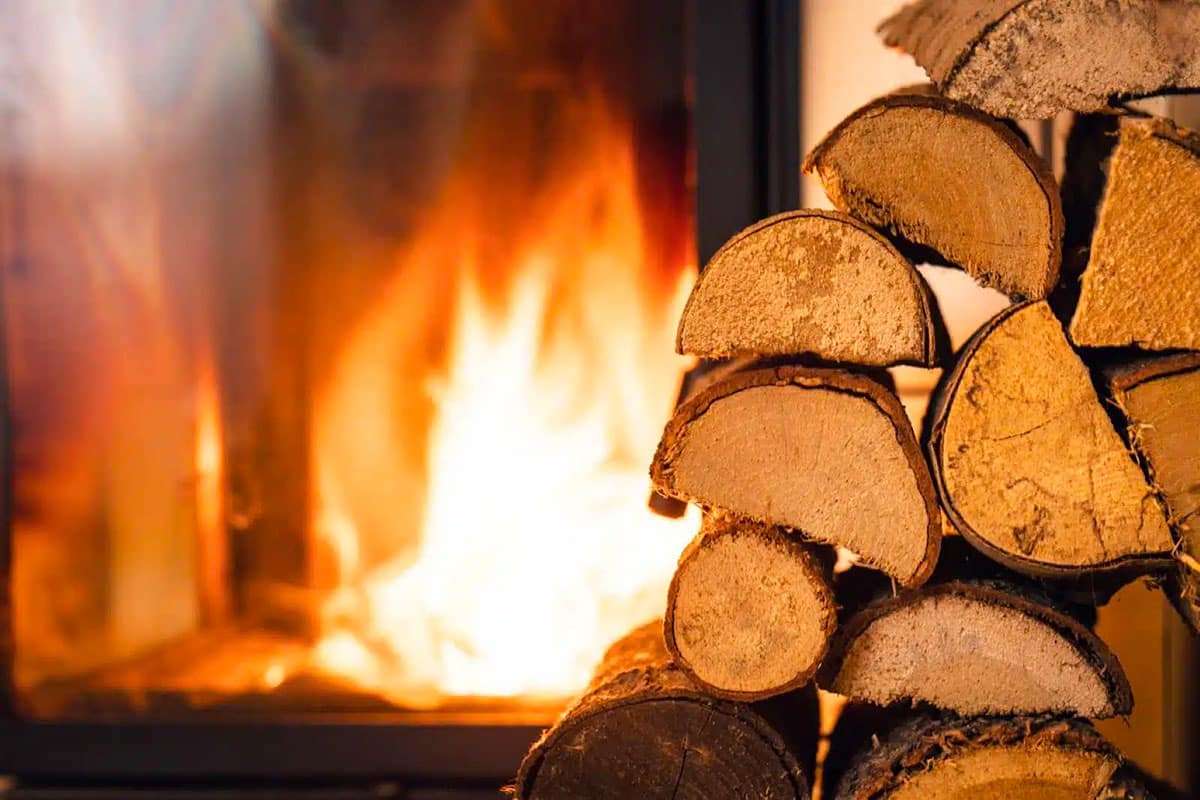
Enhancing the performance of your firewood can bring both economic benefits and a warmer home during colder months. Specialists have identified an unexpected approach that could effectively double the efficiency of your wood fires. This straightforward yet impactful technique involves assessing your wood through a quick sound check before lighting, ensuring maximum warmth and minimized fuel waste.
Sound assessment: revolutionizing firewood readiness
Professionals recommend a novel method to evaluate your firewood’s dryness. The sound assessment is an effortless way to judge whether logs are sufficiently dry to burn efficiently. Follow these steps to try the test yourself:
- Pick two suspect logs thought to be dry
- Strike them together with moderate force
- Pay close attention to the resulting noise
A bright, crisp sound signals that the wood is dry enough to burn well. In contrast, a muted or dull thump indicates excess moisture inside the logs. Using this quick diagnostic can help you select the best firewood, potentially doubling your heating effectiveness.

Consistent use of this technique ensures that only thoroughly dried wood enters your stove or fireplace, boosting heat output and conserving fuel throughout the winter season.
The importance of dryness for firewood efficiency
The water content of your firewood greatly influences how well it burns. Moist wood is a key factor in reduced heating performance. Here's why dry wood is crucial:
- Ignites more rapidly and burns cleaner
- Produces greater heat
- Generates less smoke
- Minimizes creosote accumulation in chimneys
When burning damp timber, much of the energy melts away evaporating water inside the wood. This leads to less heat being delivered to your living space, similar to how cutting-edge window tech captures energy from rainfall. Moreover, using wet wood accelerates creosote build-up, increasing chimney fire risks.
For optimal performance, firewood moisture should be below 20%. Using the sound test or other techniques to confirm dryness helps ensure cleaner, more efficient, and budget-friendly heating.
Cost savings and best practices for wood storage
Seasoned wood not only burns better but also saves you money. Drier logs require less quantity to generate equal warmth compared to damp ones, translating into lower heating expenses during cold months.
Proper firewood storage is essential to retain dryness. Apply these expert tips for storing your wood:
Storage MethodAdvantagesKeep wood in a well-ventilated spotAids continuous dryingCover or shield logsProtects against rainfall and snowElevate stacks off the groundPrevents moisture absorption from soilEnsure airflow around the pileControls dampness and prevents mold
Following these steps helps maintain your firewood in prime condition, which can lead to considerable cost reductions and fewer chimney cleanings thanks to less creosote build-up.
Other ways to check if your wood is dry
While the sound assessment offers speed and simplicity, alternative methods exist for more precise moisture evaluation:
Moisture meter: An electronic tool that accurately measures moisture levels—ideal wood should show less than 20% moisture.
Look and feel: Dry wood usually feels lighter, may exhibit end cracks, and has a rough exterior, as opposed to wet wood, which feels heavier and smoother.
Fire test: Logs emitting excessive steam or hissing noises when burning are likely too moist.
Combining these approaches with the sound test ensures your firewood quality is top-notch, yielding a warmer home, reduced fuel cost, and a smaller environmental footprint through cleaner combustion.
- Categories:
- Science

















0 comments
Sign in to Comment